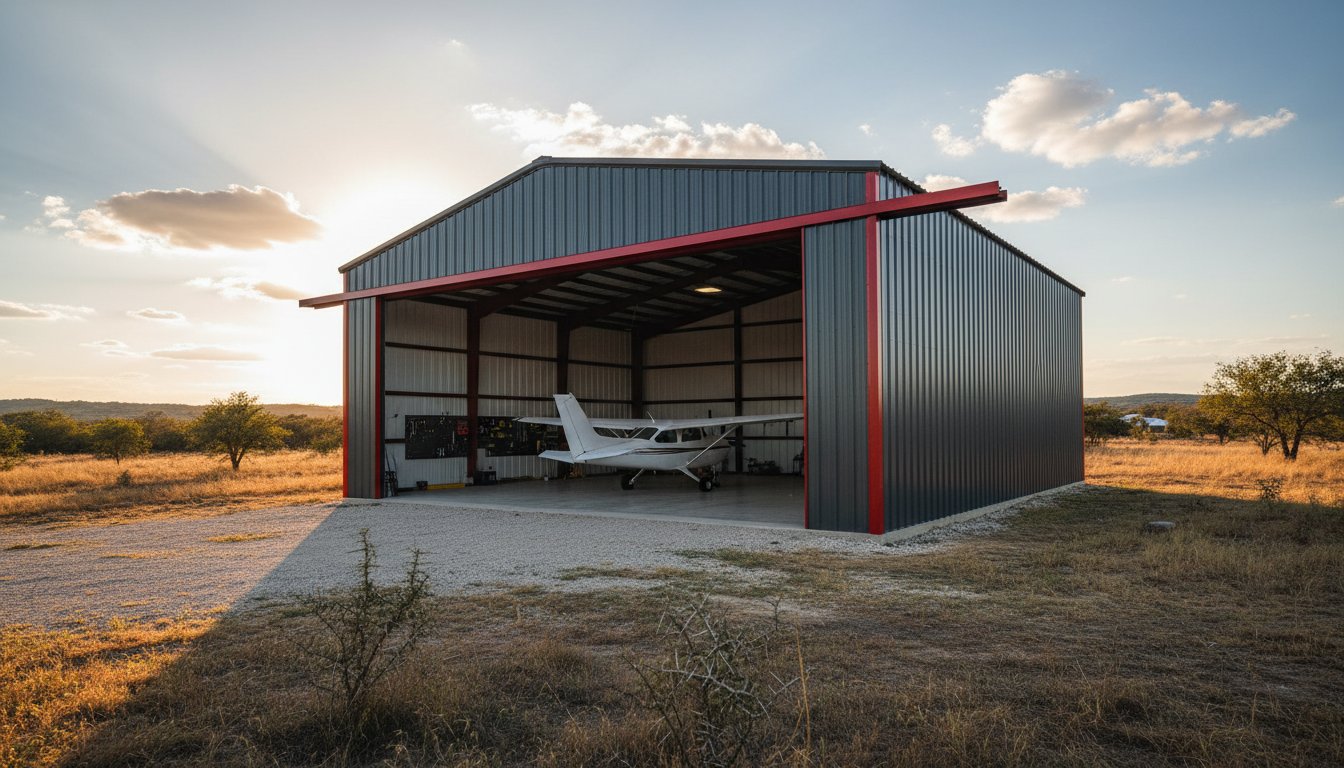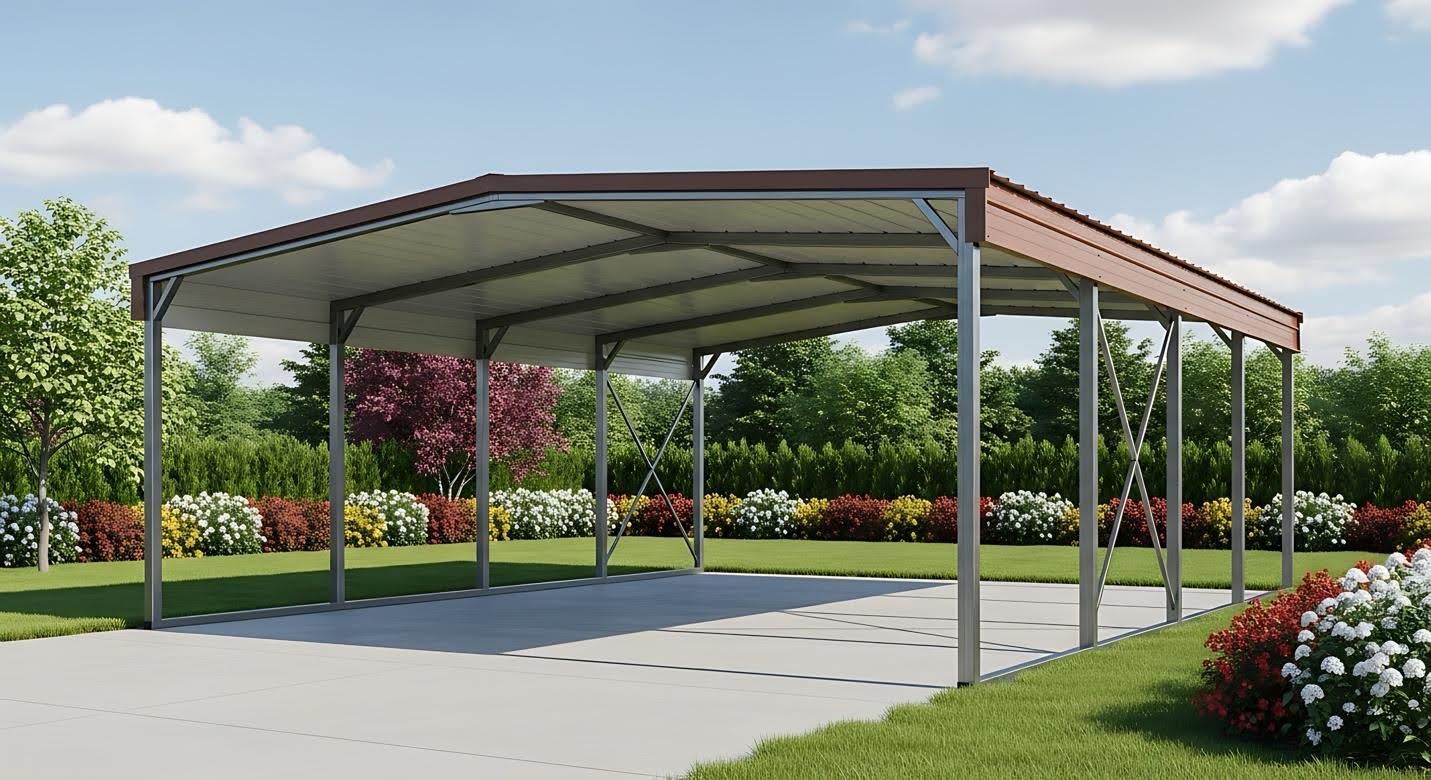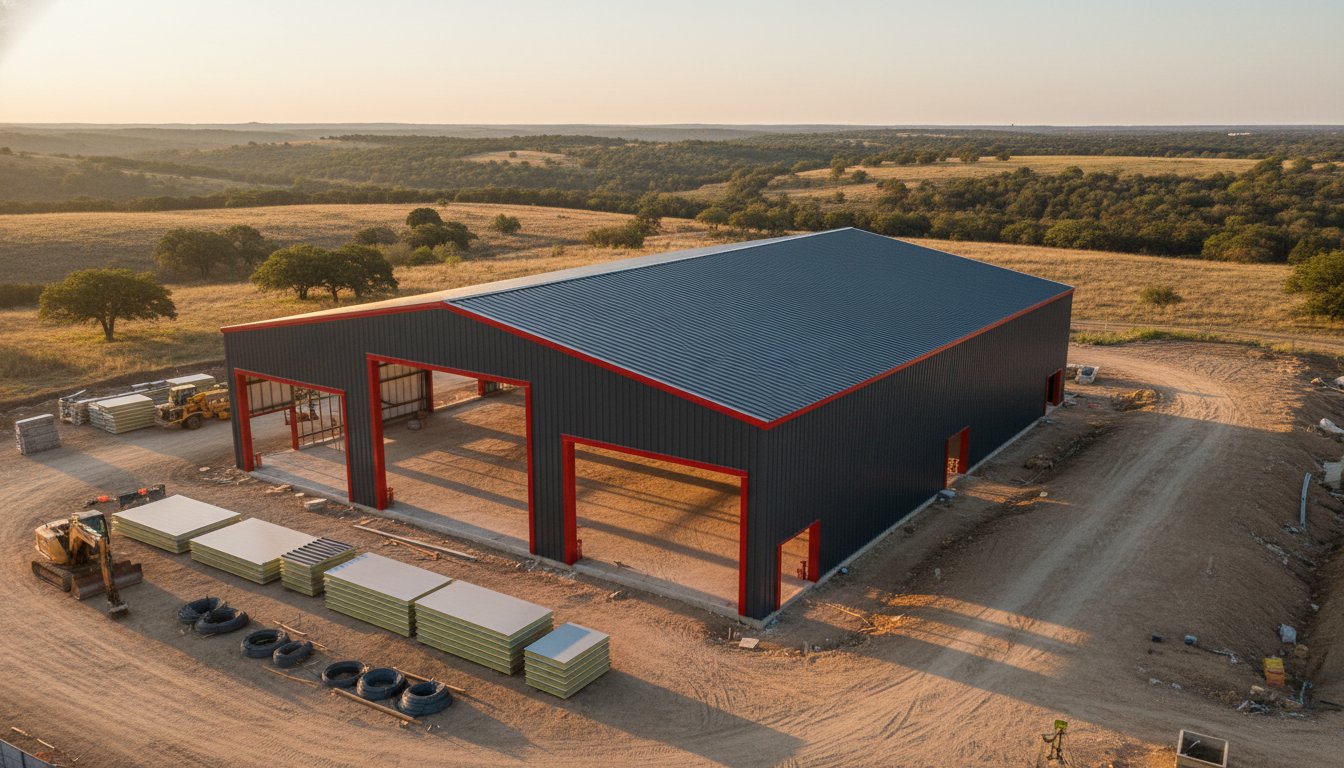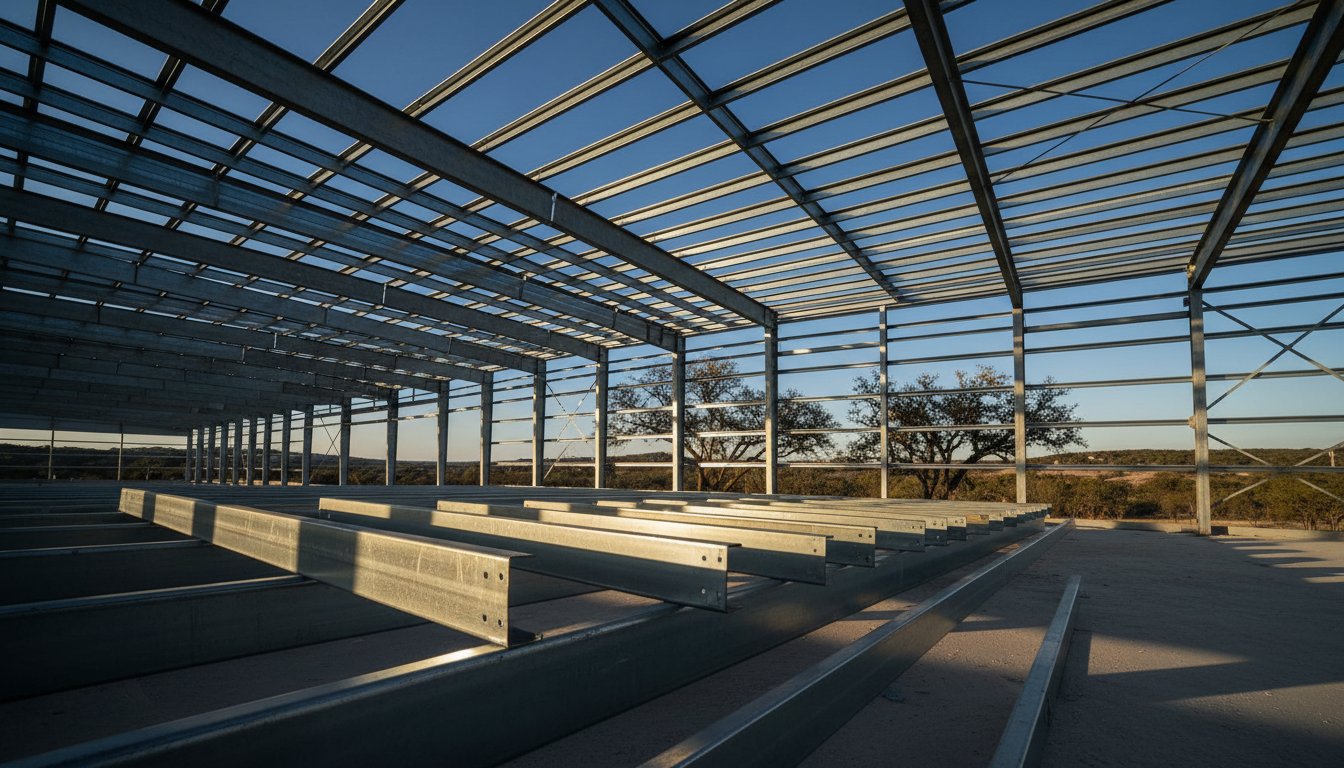
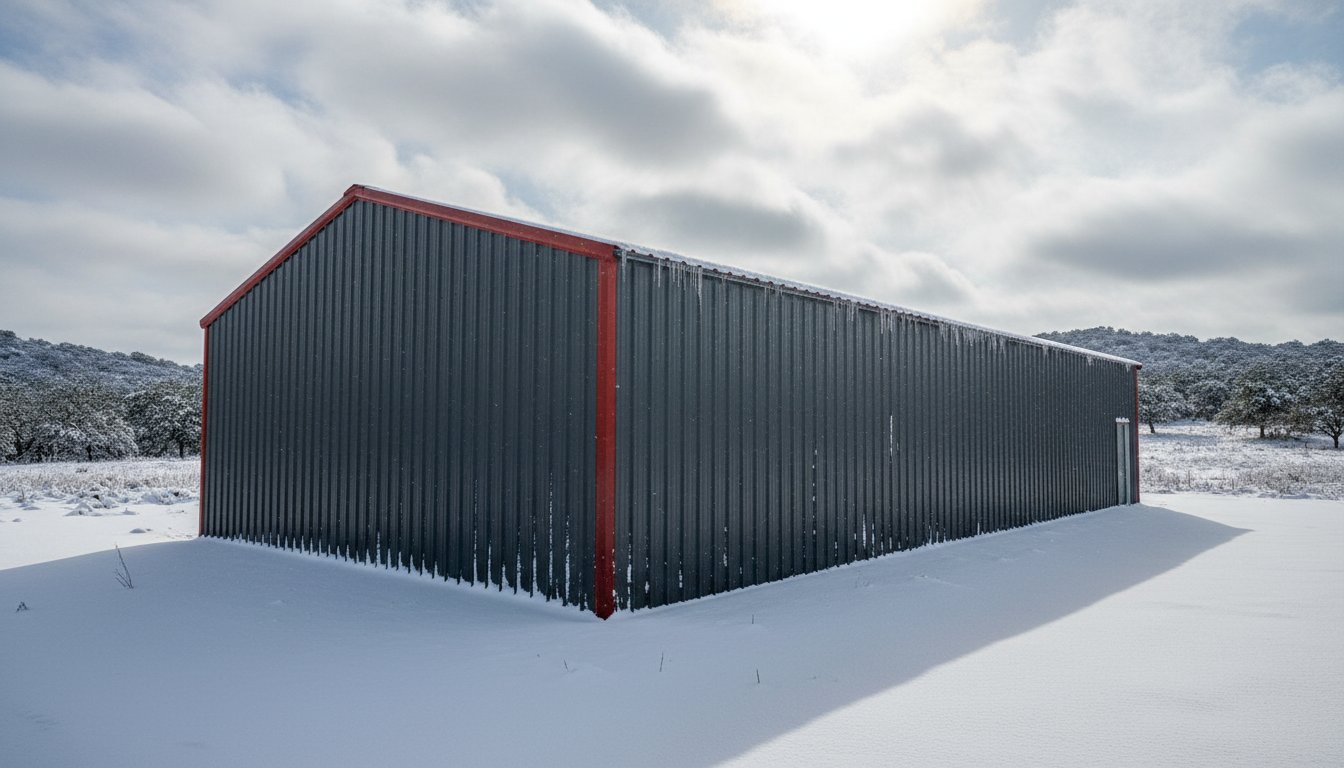
In February 2021, property owners across Central Texas watched as record-breaking snow loads tested the structural limits of every roof in Erath County. You deserve the peace of mind that comes from knowing your shop or barn can handle whatever the Texas sky throws at it. Understanding the specific wind and snow load requirements for your area is the first step toward a secure investment. It’s common to feel overwhelmed by the different codes in Dublin versus Stephenville, especially when you want to avoid overpaying for unnecessary engineering.
At Bradberry Steel, we believe your building should be as rugged as the land it sits on. This article explains how local wind and snow load requirements impact the safety and structural integrity of your steel building project in Dublin, Stephenville, and the surrounding Texas counties. We’ll provide a clear path to finding your specific county ratings so you can move forward with confidence. You’ll learn how to verify that your steel building package meets every safety standard without the guesswork or the fluff.
Key Takeaways
- Understand how structural loads protect your investment against the external forces common in Dublin and Stephenville.
- Learn the specific wind speed standards for Erath County to ensure your structure can handle high-intensity Texas gusts.
- Master the wind and snow load requirements needed to account for the unexpected weight of ice accumulation in Central Texas.
- Identify the critical differences between city and county building codes to keep your steel project compliant.
- Discover how high-quality structural steel provides the durability required to withstand the most severe local storms.
Understanding Wind and Snow Load Requirements in Central Texas
Every building in Texas faces a constant battle against the elements. Structural loads are the external forces a building must resist to remain standing. These forces include the weight of the materials themselves and environmental pressures like heavy gusts or winter ice. Understanding Structural Loads is the first step in ensuring your shop, barn, or home lasts for decades. The International Building Code (IBC) sets the baseline for these safety standards to protect occupants and property. Proper wind and snow load requirements prevent structural fatigue over 20 years and stop catastrophic collapses during a single freak storm.
In towns like Dublin and Stephenville, local requirements often differ from national averages. The wind in Erath County doesn’t just blow; it pushes against broad surfaces with immense pressure. National standards provide a starting point, but they don’t always account for the specific weather patterns seen in the Brazos Valley. When a building isn’t engineered for these local realities, the frame can flex beyond its limits. This leads to loosened fasteners, leaking roofs, and eventually, a compromised foundation. Bradberry Steel provides the technical expertise to help you understand these demands before you break ground.
The Importance of Site-Specific Load Data
A building designed for a sheltered valley in East Texas won’t survive on a flat ridge in Central Texas. Local topography changes how wind hits a structure. If your site sits on an elevated plain, the wind velocity increases as it moves up the slope. The intended use of the building also dictates its risk category. A hay barn has different safety thresholds than a commercial retail space or a primary residence. Meeting specific wind and snow load requirements ensures the steel frame handles these variables without warping or failing under pressure.
Basic Engineering Terms Every Owner Should Know
You don’t need an engineering degree to talk to a supplier, but knowing the basics helps you make better decisions. These three metrics define the strength of your structure:
- Pounds per Square Foot (PSF): This measures the weight of snow or ice sitting on your roof. Even two inches of frozen rain can add thousands of pounds of pressure to a large roof.
- Miles per Hour (MPH): This is the standard for wind velocity. Most steel buildings in our region are engineered for 105 to 115 MPH gusts.
- Ground Load vs. Roof Load: Ground load is the weight of snow on the flat earth. Roof load is the actual weight your trusses must support after accounting for the roof pitch and the ability of snow to slide off.
Steel is a durable, cost-effective, and low-maintenance building solution specifically suited for the Texas climate. If you’re ready to start your next project, you can use the 3D design tool at Bradberry Steel to visualize your structure and plan for the local environment.
Wind Load Standards for Steel Buildings in the Brazos Valley
In Erath County and the surrounding Brazos Valley, wind loads are a primary concern for any structural project. Local building standards typically require structures to withstand wind speeds of at least 115 miles per hour. This rating accounts for the high-intensity gusts that frequently sweep across the Texas plains. Understanding these wind and snow load requirements is essential because a building must resist both the lateral pressure of straight-line winds and the uplift forces created during a storm.
The state follows the Texas Adopted Building Codes to ensure public safety and structural integrity. These regulations dictate how much force a structure must handle based on its height and location. As a building gets taller, it encounters faster, less obstructed wind. This increased height leads to higher wind pressure on the walls and roof panels. Our team at Bradberry Steel focuses on providing the precise engineering needed to meet these local demands with dependable steel packages.
Wind Exposure Categories Explained
Your specific lot determines your exposure category. Exposure B applies to urban or wooded areas where trees and other buildings act as windbreaks. Exposure C is much more common for Texas ranches; it describes open terrain and grasslands with few obstructions. If you are planning a pre-engineered steel building in an open field, it requires a higher wind rating because there is nothing to slow the wind down before it hits your structure. Exposure D is reserved for coastal areas, which is less common in the Brazos Valley but critical for projects nearer to the Gulf.
Structural Reinforcements for High Wind Resistance
We utilize specific design elements to keep your building stationary during severe weather. Portal frames and wind bracing are the primary methods for transferring wind loads from the walls down to the foundation. The pitch of your roof also plays a role; steeper roofs can increase uplift forces, requiring heavier steel components to maintain stability. Secure anchoring to the concrete foundation serves as your first line of defense against shifting or lifting during a storm. You can experiment with different layouts and roof styles using our 3D design tool to see how these choices impact your building’s profile.
Calculating Snow and Ice Loads for Texas Steel Structures
Texas weather is unpredictable. While heavy snowfalls are rare in the Brazos Valley, the state still enforces strict wind and snow load requirements to prevent structural collapse during extreme events. Engineers calculate these loads by starting with ground snow load data provided by ASCE 7 standards. They then apply specific coefficients based on roof slope, thermal conditions, and building exposure. This process ensures that even if a major storm only happens once every 50 years, your building remains standing. It is about preparing for the worst-case scenario to protect your investment and your safety.
A significant danger in roof design is the presence of unbalanced loads. When wind blows snow across a roof, it does not settle evenly. It piles up against obstructions like chimneys, HVAC units, or higher roof tiers. This creates “drifts” that put immense, uneven pressure on specific sections of the frame. If the steel structure is not engineered to handle this concentrated weight, it can lead to localized buckling or total roof failure. We focus on these details during the planning phase to ensure every rafter and purlin is up to the task.
Ice vs. Snow: The Texas Weight Factor
In Central Texas, ice is often a bigger threat than snow. One inch of fluffy snow weighs about one pound per square foot. One inch of solid ice weighs roughly 5.2 pounds per square foot. During freezing rain events in towns like Brownwood and Granbury, this weight adds up fast. When homeowners choose residential metal roofs, they must ensure the underlying structure handles this dead weight. Steel provides the necessary rigidity to support these sudden, heavy loads without sagging or compromising the building envelope.
Roof Design and Snow Shedding
Roof geometry plays a vital role in managing winter weather. Steeper pitches allow snow and ice to slide off before they reach dangerous levels. Thermal factors also matter; a heated building melts the bottom layer of snow, which encourages it to shed naturally. For those opting for weld-up buildings, precise engineering is required to account for these variables. Every joint and weld must meet the specific wind and snow load requirements of the local county. This level of detailing ensures your structure remains a permanent fixture on the Texas landscape.
If you are planning a new project and want to see how these factors impact your design, you can use our 3D design tool to visualize your building. For specific technical questions or to get a professional estimate, request a quote from our team today.
Navigating Building Codes and Engineering Standards in Erath County
Building in Erath County requires a clear understanding of who holds the authority over your project site. If your property sits within the city limits of Stephenville or Dublin, you must answer to municipal building officials and inspectors. For those building on unincorporated county land, the requirements are often less restrictive; however, structural integrity remains a personal and financial priority. Most modern steel structures are now designed using ASCE 7-16 standards. These guidelines provide the mathematical framework for how a building handles 115 mph wind gusts and specific ground snow loads. If a local building department still operates under an older code like the 2012 IBC, it is best practice to design for the more recent 2021 standards to ensure your structure maintains its value for decades.
Finding Requirements for Dublin and Stephenville
Before you break ground, contact the Stephenville Planning and Building Department or the Dublin City Hall to confirm current wind and snow load requirements. In this region of north-central Texas, design wind speeds typically start at 115 mph. Ground snow loads are generally rated at 5 pounds per square foot, though ice accumulation often poses a greater risk than actual snowfall. For residents planning steel framed homes, the permit process will require professional engineering seals on your plans. This documentation proves the structure can withstand the specific climate pressures of the Brazos Valley. Local officials will also look for specific foundation requirements that account for the expansive clay soils common in Erath County.
Working with Engineered Building Packages
Pre-engineered steel systems simplify the path to code compliance. These buildings are not generic kits; they are calculated for the exact zip code where they will stand. A building designed for a low-wind environment in another state will likely fail a Texas inspection or, worse, fail during a spring storm. Generic “one size fits all” kits often lack the necessary portal frames or bracing required for local gusts. Using a site-specific engineered package ensures that every bolt and beam meets the wind and snow load requirements of your specific lot. Bradberry Steel provides the technical data and structural detailing required to satisfy local inspectors and protect your investment.
Our team understands the demands of the Texas landscape and provides the heavy-duty materials needed for a successful build. You can start planning your project today by using our 3D design tool to visualize your structure.
Designing Your Steel Building for Maximum Durability with Bradberry Steel
Texas weather demands a structure that doesn’t just look good but stands firm against the elements. At Bradberry Steel, we leverage 25 years of industry experience to help you navigate local building codes with confidence. We coordinate directly with engineers to ensure your project meets the specific wind and snow load requirements for your exact location. This technical precision is what separates a standard shed from a professional-grade steel building designed to last for generations.
Choosing high-quality structural steel is the best defense against unpredictable Texas storms. Our materials are fabricated for maximum strength and longevity; they don’t warp, rot, or succumb to pests like traditional wood frames. You can use our 3D design tool to see how your building looks while ensuring the specs are right from the start. We focus on the structural integrity of every component, from the primary frames to the smallest purlin, because we know your equipment and livestock depend on that stability.
Customizing Your Load Ratings
Every county in Texas has different standards for structural safety. If your site sits on an open ridge or in a wide-open pasture, you might need to adjust your building package for higher wind speeds than the local minimum. We help you plan for these variables early in the design phase. This foresight includes planning for future additions. Adding a lean-to or extending the roofline later changes the load profile of the original frame. Starting your project with our 3D tool allows you to visualize these changes and ensures the initial wind and snow load requirements account for your long-term goals.
Expert Guidance for Central Texas Builders
We serve contractors and homeowners across the heart of Texas, from Hico to De Leon and the surrounding Brazos Valley. Our role is to be your dependable partner for material supply and design guidance. We provide the engineered steel package you need to move forward with confidence, ensuring every piece fits the site’s specific environmental demands. We understand the local landscape because we live and work here too.
Whether you are building a personal ranch shop or a large commercial warehouse, we ensure the materials match the demand of the Texas climate. Our team focuses on delivering excellence through precision fabrication and honest communication. Once you have your vision ready, the next step is simple. You can request a quote today to get your engineered steel package started with a partner you can trust.
Secure Your Investment with Precision Engineering
Building in the Brazos Valley or Erath County requires a structure that stands up to unpredictable weather. You’ve learned that meeting specific wind and snow load requirements isn’t just a legal necessity; it’s the foundation of a safe investment. A building engineered for 115 mph winds or sudden ice accumulation protects your livestock, equipment, and peace of mind. These standards ensure your structure remains standing when the Texas climate tests its limits.
Bradberry Steel brings over 25 years of Central Texas steel expertise to every project we handle. We’re locally owned and operated right here in Dublin, Texas, and we take pride in our roots. We provide precision-engineered building packages that handle the heat, wind, and heavy ice loads common to our region. Our team delivers the structural detailing you need to ensure your project meets local standards without any guesswork. You get a durable, low-maintenance solution designed for maximum longevity.
Ready to see your vision take shape? Start designing your storm-resistant steel building with our 3D tool today. We look forward to helping you build a structure that stands the test of time.
Frequently Asked Questions
What is the standard wind load for a steel building in Dublin, Texas?
The standard wind load for a steel building in Dublin, Texas, is typically 115 miles per hour for Risk Category II structures. This requirement follows the International Building Code standards to ensure your shop or barn can withstand the high-velocity gusts common in Erath County. Bradberry Steel provides structural packages designed to meet these specific local demands with precision and integrity.
Do I really need to worry about snow load in Central Texas?
You must account for snow load even in the Brazos Valley because unexpected accumulation stresses every structural component. The February 2021 winter storm proved that Texas buildings need to handle weight beyond just heavy rain. Most Central Texas counties require a minimum ground snow load of 5 pounds per square foot to prevent roof deflection during rare weather events.
How do I find out the specific wind speed requirement for my property?
You should contact your local county or city building department to confirm the exact wind and snow load requirements for your site. You can also utilize the ASCE 7 Hazard Tool, which provides data based on your specific GPS coordinates. Local officials in places like Erath or Brazos County set these standards to ensure every structure remains stable during a 50-year storm event.
What happens if my steel building does not meet local load codes?
Failing to meet local codes can lead to structural failure and the total denial of insurance claims. If a storm causes damage and your building was under-engineered, you’ll face 100% of the repair costs out of pocket. Local inspectors may also issue stop-work orders or refuse to grant a certificate of occupancy, which halts your project and wastes your investment.
Can I increase the wind rating of my building after it’s already designed?
It’s difficult and expensive to increase a wind rating once fabrication begins at the plant. You would need to add extra structural bracing or thicker girts, which usually requires a complete engineering redesign. It’s best to decide on a higher rating during the initial detailing phase to ensure the frame handles the increased pressure without needing costly field modifications later.
Is ice accumulation included in the snow load calculation?
Engineering standards typically treat ice and snow as separate calculations, though both contribute to the total weight on your roof. In Texas, building designs often account for an ice thickness of 0.5 inches to 1.0 inch depending on the local risk category. This extra weight is vital for ensuring your purlins don’t sag or buckle during a prolonged Central Texas freeze.
Does a higher roof pitch help with wind or snow loads?
A higher roof pitch helps snow slide off the building more effectively, but it also increases the surface area exposed to wind. A 4:12 pitch sheds moisture better than a 1:12 pitch; however, it requires stronger bracing to handle the increased wind uplift. Our team can help you balance these factors when you use our 3D design tool to plan your project.
What is the difference between a ground snow load and a roof snow load?
Ground snow load is the weight of snow on a flat surface, while roof snow load is the actual weight the building must support. Engineers calculate the roof load by applying factors for roof slope, thermal properties, and wind exposure to the ground load data. A ground load of 5 pounds per square foot might result in a lower roof load once the pitch of your steel building is factored in. Contact Bradberry Steel today to request a quote for a building package that meets your local requirements.
Disclaimer
Bradberry Steel is a steel supply and metal building package company based in Dublin, Texas. We do not provide installation, site preparation, foundation work, or general contracting services. All building projects should be reviewed by a qualified local contractor and may require permits depending on your county or municipality. Contact Bradberry Steel for product guidance and material quotes.