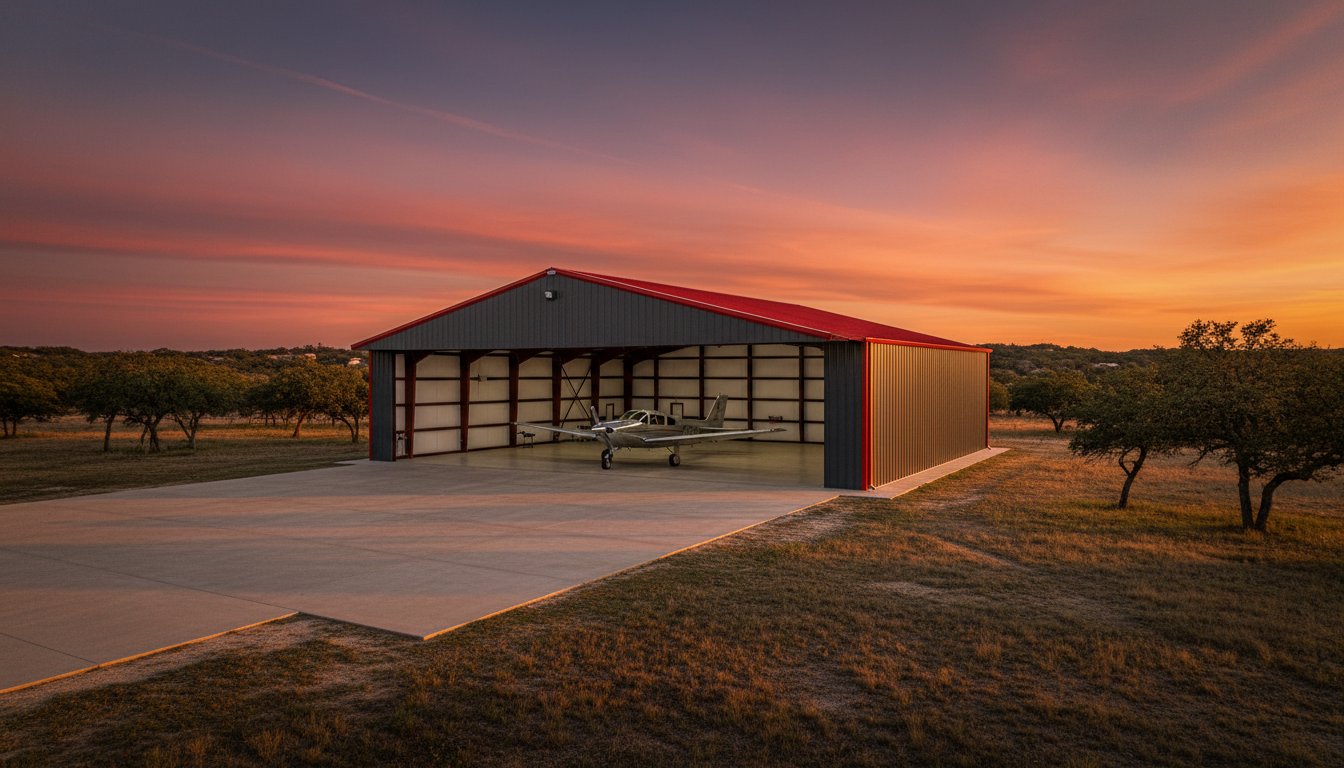
A Texas crosswind can do more than just make a landing difficult; it can flatten a building that isn’t engineered for the task. In regions like Erath County, where wind speeds can regularly exceed 115 mph during storm season, your storage choice is a matter of long-term security. You’ve worked hard to own your plane, and you deserve the peace of mind that comes with a professional-grade steel aircraft hangar. It’s common to feel frustrated by the lack of clear information regarding local wind load requirements or the confusing differences between a basic weld-up and a precision-engineered kit.
We agree that your investment needs more than just a roof; it needs a structure built with Texas-bred integrity. This article will show you how to design and source a dependable building tailored for the unique demands of the Central Texas landscape. You’ll learn how to navigate the material supply process and ensure your hangar provides the secure, column-free space you need. We will examine the specific engineering standards required for rural properties and explain how Bradberry Steel serves as a reliable partner for high-quality building packages.
Key Takeaways
- Learn why clear-span steel construction is the most effective way to protect your aircraft from Central Texas hail and sun.
- Discover how to account for specific wind load requirements and leak prevention when building in the Brazos Valley.
- Evaluate the differences between pre-engineered kits and the flexible weld-up steel aircraft hangar solutions favored by Texas pilots.
- Get practical advice on sizing your hangar to fit your current plane while leaving room for future growth.
- Identify why sourcing high-quality red iron from a local Dublin supplier provides the durability needed for Texas projects.
What is a Steel Aircraft Hangar and Why Does it Matter in Texas?
A steel aircraft hangar is a specialized structure engineered to protect aviation assets from the elements while providing a functional workspace. These buildings utilize clear-span framing, which allows the structure to support its own weight without the need for internal support columns. This design is essential for pilots because it creates an unobstructed interior space where planes can move freely. To learn more about the history and basic function of these structures, you can read about What is a Hangar on Wikipedia.
In Central Texas, the environment is harsh on machinery. Hail stones in Erath County can reach 2 inches in diameter during spring storms, and summer temperatures regularly exceed 100 degrees for 30 days or more. Steel provides a shield that wood or fabric structures cannot match. Wood-frame buildings often fail to meet the wide-opening requirements of modern aviation. A standard hangar door needs to span 40 to 60 feet, and steel is the only material that provides the structural integrity to support those widths without sagging or warping over time.
For pilots in open areas like Hico or De Leon, the flat landscape offers little protection from the wind. A building must be anchored and engineered to handle high-pressure gusts. Bradberry Steel offers steel aircraft hangar packages that are designed to stand up to these local conditions, ensuring your investment remains secure for decades.
The Value of Clear-Span Engineering
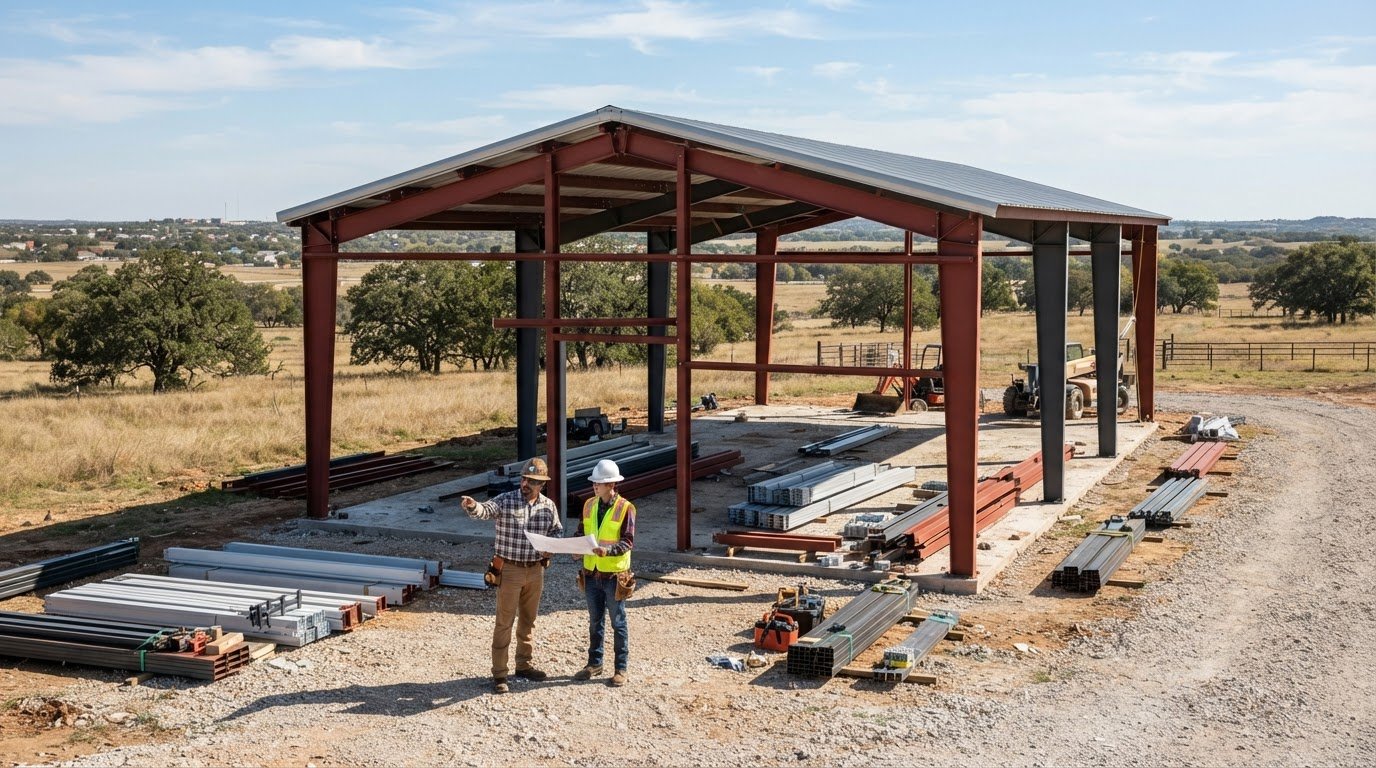
Clear-span engineering is the backbone of any reliable hangar. This method transfers the roof load to the perimeter walls and foundation, leaving the floor plan completely open. Column-free interiors are non-negotiable for safe aircraft maneuvering; even a single support post can lead to a costly wing strike. Steel allows for much wider door openings than traditional materials. This flexibility means you can accommodate larger wingspans or multiple aircraft within the same footprint without compromising the building’s strength.
Durability in the Central Texas Climate
Durability is a top priority for property owners in Comanche and Erath counties. Our region frequently sees wind speeds exceeding 70 miles per hour during severe weather events. Steel buildings are engineered to resist these loads while requiring very little maintenance. Unlike wood, metal siding does not rot, and it is impervious to termites. Fire resistance is another major benefit. Since hangars house fuel-heavy machinery and chemicals, using non-combustible steel adds a vital layer of safety to your property.
If you are ready to protect your aircraft with a structure built for the Texas landscape, you can start by using our 3D design tool to visualize your project or contact us for a quote.
Key Engineering Features for a Steel Aircraft Hangar
A steel aircraft hangar must do more than just provide shelter; it has to withstand the unique environmental pressures of the Texas landscape. In the open terrain of the Brazos Valley, wind is the primary structural adversary. Pilots in Dublin and Central Texas require structures engineered to handle localized pressure changes that occur during rapid weather shifts. Precision engineering ensures that roof panels overlap with exact tolerances. This meticulous detailing prevents the leaks that often plague inferior kits during heavy spring thunderstorms. Every component must fit perfectly to maintain the structural integrity of the entire envelope.
Customizing eave heights is another critical step in the planning process. A standard 12-foot eave might accommodate a light trainer, but a King Air or a larger business jet requires significantly more clearance. We recommend adding at least 2 feet of buffer above the highest point of your aircraft tail. This extra space provides room for maintenance equipment, jack stands, and overhead lighting systems without risking damage to the vertical stabilizer.
Designing for High Wind Loads
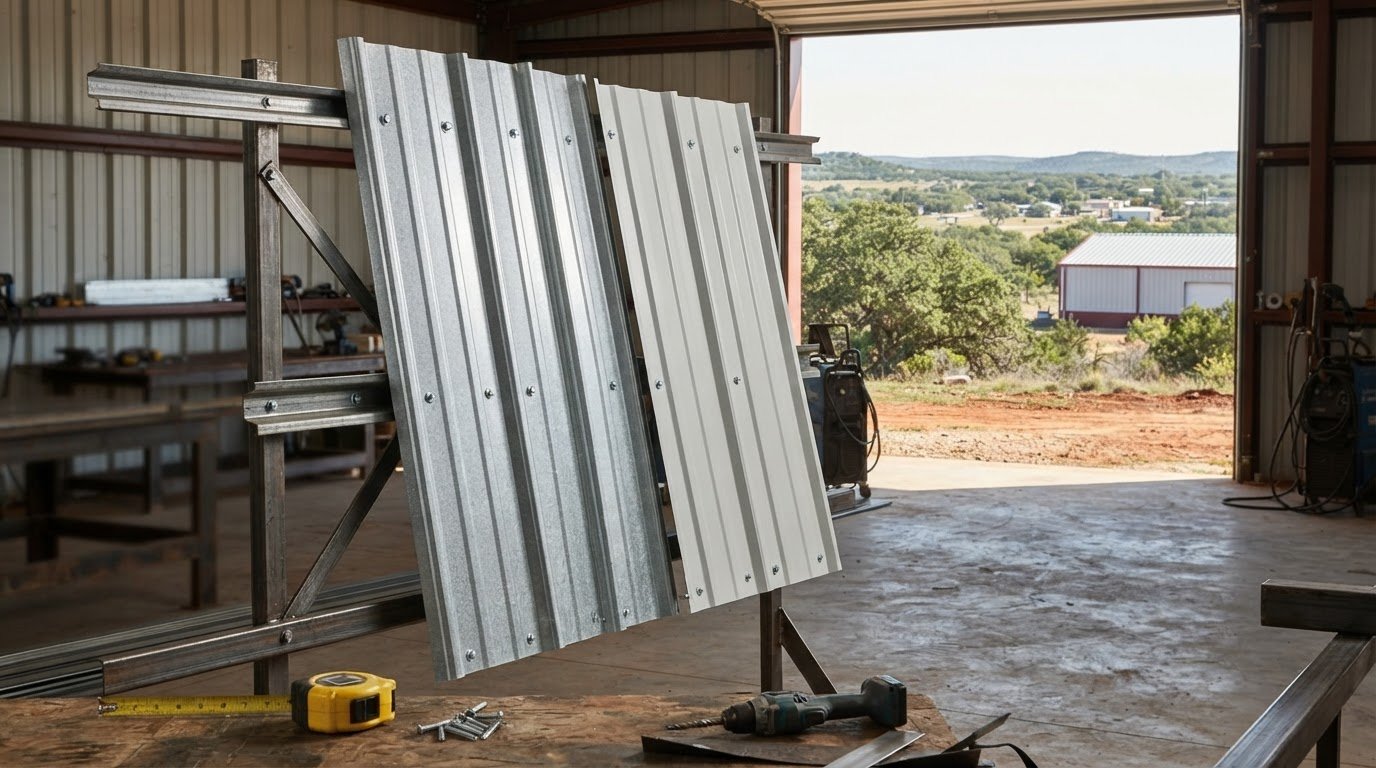
Local wind speeds in Weatherford or Mineral Wells often reach 115 mph during storm season. These speeds dictate the exact thickness of the steel panels and the spacing of the structural girts. Large-volume structures like hangars act like sails in high winds. Proper X-bracing and portal frames are essential to keep the building square and stable. Many “building in a box” kits sold by national retailers don’t meet these specific Texas codes. Every steel aircraft hangar kit should be verified for the specific county where it will be erected to ensure long-term safety. Following established hangar design and safety codes ensures the building remains a secure asset for decades.
Hangar Door Considerations
The door system is the most complex part of any aviation building. Sliding doors are reliable and cost-effective for many pilots. However, hydraulic overhead systems are increasingly popular because they provide a shaded canopy when open. These heavy systems place massive stress on the building header. The structure must be reinforced with additional steel to handle thousands of pounds of moving weight. You can learn more about our specialized aircraft hangar designs to see how these structural loads are managed in our packages. Bradberry Steel provides the heavy-duty components and expert guidance needed to ensure your door operates smoothly for years.
If you are ready to start planning your layout, you can use our 3D design tool to visualize your project today.
Weld-Up vs. Pre-Engineered Hangars: The Texas Choice
Choosing between a weld-up structure and a pre-engineered kit depends on your specific site and project goals. For a standard 50×60 steel aircraft hangar, the fabrication method impacts your timeline and your budget. Weld-up buildings are fabricated entirely on your property. Pre-engineered kits arrive ready to bolt together. Both methods offer the durability required for the Texas climate, but they serve different needs for pilots in Dublin and the surrounding counties.
The Flexibility of Weld-Up Steel
Rural Texas pilots often choose weld-up steel for its adaptability. If you are building on uneven terrain in Glen Rose or Hillsboro, a weld-up frame allows for real-time adjustments. You aren’t locked into factory dimensions. This method follows traditional Texas building practices used on ranch strips for decades. It provides a rugged solution for non-standard footprints or projects where you need to make changes during the construction process. Explore our weld-up building components to see how these materials fit your next project.
The Precision of Pre-Engineered Kits
Pre-engineered kits offer a level of precision that on-site welding cannot match. Every component is cut and drilled at the factory to exact tolerances. This standardization simplifies the planning phase for developers and commercial operators. These structures must meet specific safety guidelines, such as NFPA 409, Standard on Aircraft Hangars, which governs fire protection and engineering requirements. Bolt-together assembly is faster and reduces labor hours on the job site. This is often the gold standard for commercial aviation facilities where predictability and speed are the top priorities.
The cost implications for a 50×60 project vary based on your labor resources. Weld-up steel typically has lower material costs, often saving you 10% to 15% on the initial purchase. However, the labor required for on-site cutting and welding usually erases those savings. Pre-engineered kits cost more upfront but cut assembly time by nearly 30%. Most Central Texas pilots find that pre-engineered systems offer the most predictable results for a high-value steel aircraft hangar.
- Weld-Up: Best for custom ranch strips and sloped terrain.
- Pre-Engineered: Best for rapid assembly and strict building codes.
- Maintenance: Both options provide a low-maintenance solution compared to wood or fabric structures.
Bradberry Steel provides the heavy-duty components and kits you need to get your plane under cover. If you are ready to see how these options fit your budget, you can use our online tools to start the process. Request a quote today or use our 3D design tool to visualize your new hangar.
Practical Sizing and Planning for Your Hangar Project
Building a steel aircraft hangar is a long-term investment that requires precise measurements and foresight. You must account for your current wingspan while leaving room for the equipment you plan to keep on-site. Many pilots make the mistake of building for the plane they own today without considering the plane they might buy in five years. A larger footprint increases the resale value of your property and provides the necessary clearance for safe movement.
Standard Sizing Guide
- 40×30 hangars: These units are ideal for light sport aircraft or small single-engine planes like a Piper Cub. They offer a compact footprint that fits well on smaller private strips.
- 50×50 hangars: This size is the sweet spot for Cessna 182 or Beechcraft Bonanza owners. It provides enough depth to house a tug and basic storage cabinets along the back wall.
- 60×60 and larger: You will need this much space for multi-engine aircraft or helicopter storage. These larger dimensions allow for wider door headers and higher eave heights.
If you plan to perform your own maintenance, calculate your floor space carefully. A dedicated maintenance bay typically requires an additional 15 feet of width beyond the wingspan of your aircraft. This space ensures you have room for tool chests, air compressors, and workbenches without crowding the airframe. You can start your design with our 3D building tool to visualize how these dimensions fit your specific needs.
Site Planning in Central Texas
Site preparation in rural Dublin or the flat plains of Comanche and Eastland presents specific challenges. While the land may look level, poor drainage is a common issue that can lead to foundation shifting. You should grade your site so water moves away from the slab at a slope of at least 1 percent. Proper drainage prevents moisture from pooling around the base of your steel aircraft hangar, which protects the longevity of the structure.
Logistics are another critical factor for rural projects. Steel building kits arrive on heavy flatbed trailers that can weigh up to 80,000 pounds. You must ensure your private road or driveway has adequate clearance and a stable base to support these loads. A standard delivery truck requires a 50-foot turning radius to navigate safely. Confirming these details before the delivery date prevents delays and ensures a smooth offloading process. For a comprehensive overview of every step involved, review our hangar construction checklist for Dublin, TX pilots to make sure your 2026 project stays on track.
Ready to move forward with your project? Request a quote from Bradberry Steel to get accurate pricing for your custom hangar size.
Sourcing Your Hangar from Bradberry Steel in Dublin, TX
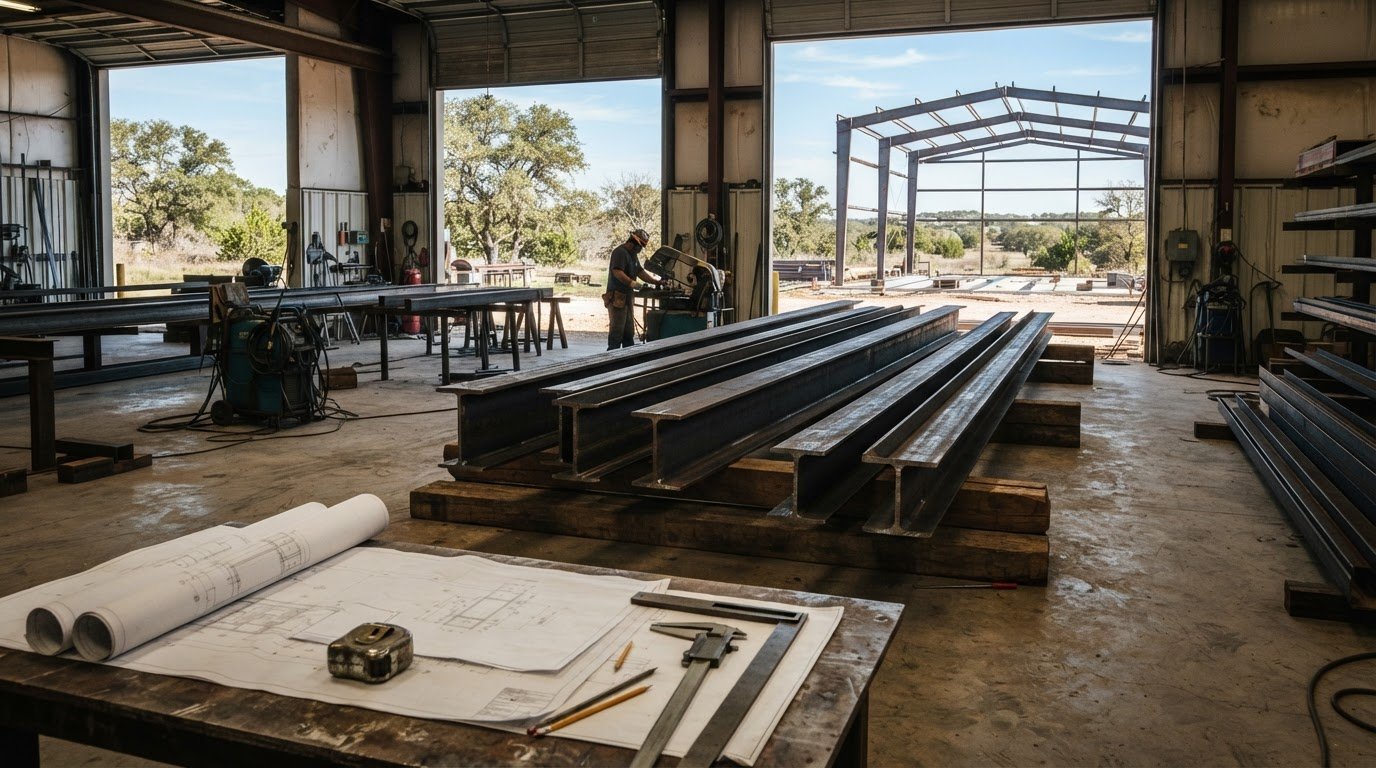
Sourcing your materials from a local, family-owned Texas supplier offers advantages that national corporations cannot match. Bradberry Steel operates out of Dublin, providing a level of accountability and personal service that defines our 25 year history. We specialize in high-quality red iron and structural components designed to endure the rigors of the Central Texas climate. When you invest in a steel aircraft hangar, you deserve a structure that offers both durability and precision. We focus on the structural integrity of every beam and column we supply. Our team understands that pilots and hangar owners need more than just a shell; they need a reliable environment for high-value assets. We provide the heavy-duty materials required to build a facility that lasts for generations.
The Bradberry Supply Process
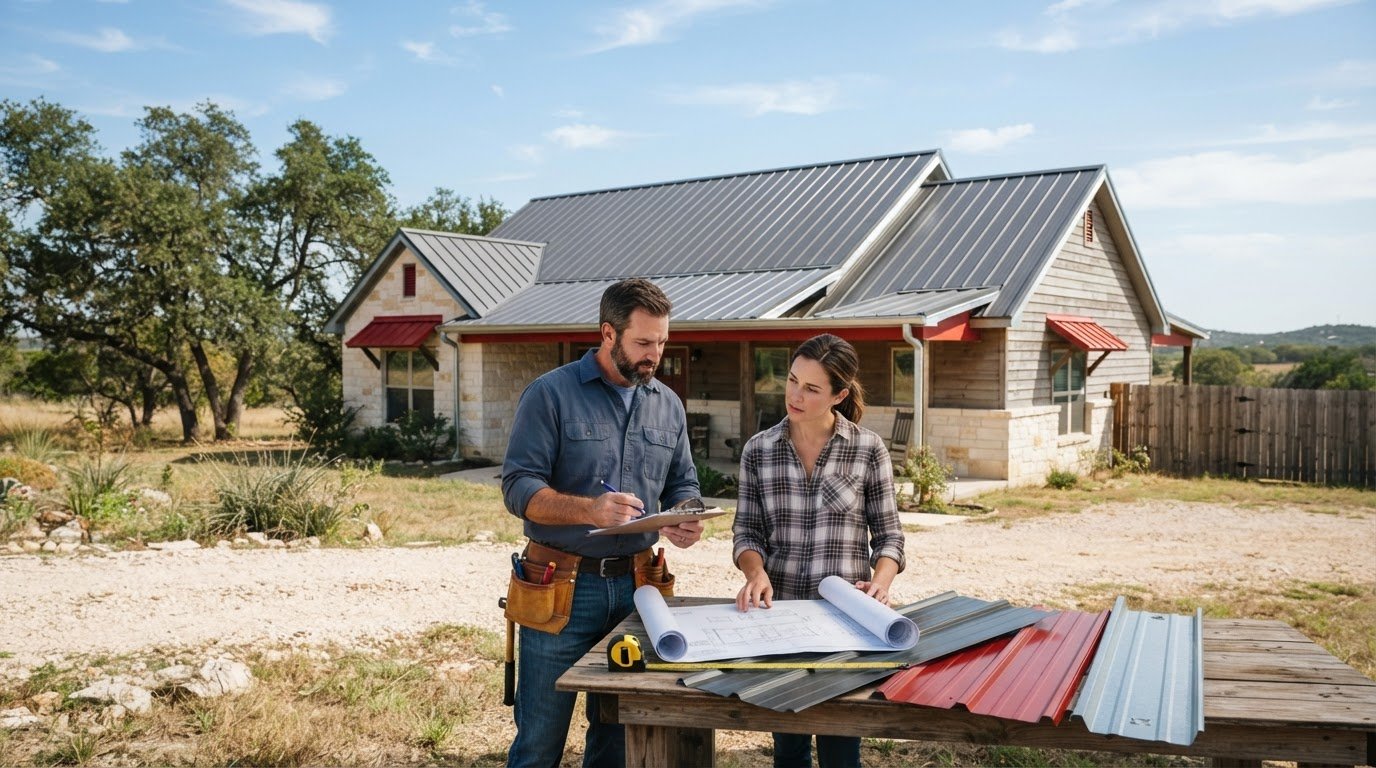
Our team works closely with you to refine your hangar specifications before the fabrication process begins. This phase is critical for ensuring that every door opening and clear span measurement meets your operational needs. Once the design is finalized, we coordinate a comprehensive material package. This package is delivered to your site ready for your contractor to begin the erection process. Local pilots in Stephenville and Brownwood trust our expertise because we understand the technical requirements of aviation storage. We have spent over two decades perfecting our supply chain to ensure your materials arrive on time and according to the exact engineering requirements of your project. We eliminate the typical delays associated with distant suppliers by maintaining a strong local presence and a clear focus on customer service.
Your Partner in Steel Construction
Precision fabrication is the key to a seamless build. We take pride in the detailing of our steel, ensuring that every component fits together as intended on the construction site. Integrity serves as our moral compass in every shipment. We provide honest timelines and transparent pricing without the distraction of marketing hype. Our goal is to provide a structural solution that serves as a permanent asset for your property. We are a neighborly partner invested in the growth of the Texas aviation community. Your steel aircraft hangar project represents a significant investment, and we treat it with the respect it deserves. We are disciplined craftsmen who take pride in building things that last. If you are ready to begin your build, contact us today for a custom quote to see how our experience can benefit your next project.
Protect Your Aviation Investment with Texas Strength
Protecting your aircraft from the unpredictable Central Texas climate requires a structure built for durability. A pre-engineered steel aircraft hangar provides the precision and strength needed to withstand high wind loads and intense heat. Choosing a local supplier means you get materials engineered specifically for our regional conditions. Bradberry Steel has served the local community from our Dublin, Texas, location for over 25 years. We focus on providing high-quality steel kits that offer a low-maintenance, long-term solution for pilots and developers alike. Our team understands the importance of structural integrity and clear-span designs for your project. We don’t just sell steel; we provide the foundation for your investment. You can trust our Texas-bred integrity and decades of experience to deliver the right materials for your needs.
Ready to start your build? Request a custom quote for your aircraft hangar project today. We look forward to helping you get your project off the ground.
Frequently Asked Questions
How much does a steel aircraft hangar cost in Texas?
A steel aircraft hangar in Texas typically costs between $25 and $45 per square foot for the material kit. These prices fluctuate based on current steel market values and the specific customization options you choose for your layout. Steel is a cost-effective long-term investment because it provides a 50 year lifespan with very little maintenance. It handles the intense Texas sun much better than traditional wood or light-gauge materials.
Do I need a permit for a hangar in Erath County?
You’ll need to check with the Erath County planning office, as most structures in Dublin and Stephenville require local building permits. Rural agricultural strips often have different zoning rules, but verification with local authorities is always the first step. You’ll want to confirm set-back requirements and drainage plans before you break ground. We provide the structural engineering drawings you need to submit with your permit application to the county office.
Can a steel hangar withstand Texas tornadoes?
Our engineered steel buildings are designed to meet or exceed wind load ratings of 115 miles per hour to handle Central Texas storms. While no building is entirely tornado-proof, steel provides the highest structural integrity available for large clear-span spaces. The heavy-duty bolt-together frames offer a level of safety and durability that light-frame buildings can’t match. It’s the most reliable way to protect your aviation investment from unpredictable weather.
What is the best door type for a private hangar?
Hydraulic doors are the most popular choice for a steel aircraft hangar because they offer a superior weather seal and simple operation for openings up to 80 feet wide. They also provide extra shade for your ramp area when the door is fully open. If you’re working with a tighter budget on a smaller private strip, sliding doors are a dependable alternative. These manual systems are easy to maintain and keep your upfront costs lower while still providing security.
How long does it take to get a hangar kit delivered?
Standard hangar kits are usually delivered within 8 to 12 weeks after the final engineering designs are approved. This timeframe covers the precise detailing of your project and the fabrication at our Dublin facility. Custom layouts or unique structural requirements might add another 14 to 21 days to the production schedule. We’ll give you a clear delivery window once your order is finalized so you can coordinate with your local construction crew.
Can I insulate my steel hangar?
We recommend using high-quality insulation to manage the 100 degree Texas heat and prevent moisture buildup inside your hangar. A 3 inch insulation barrier protects your aircraft’s avionics and prevents sweating on the steel panels during rapid temperature swings. It also makes the workspace much more comfortable and quiet during the summer months. It’s a small upfront cost that pays off by preserving your plane’s value over the next several decades.
Does Bradberry Steel offer hangar installation?
Bradberry Steel has provided steel supply expertise for over 25 years; however, we are a material supplier and design coordinator only. We don’t provide on-site construction, foundation work, or installation services. Our role is to engineer and deliver a complete steel package that’s ready for your contractor to assemble. We focus on providing high-quality Texas steel and technical guidance throughout the design phase. You’ll need to hire a local crew to handle the site prep and the physical building erection. If you want a step-by-step guide to managing your hangar construction project in Dublin, TX, our 2026 pilot’s checklist covers everything from door clearances to local structural requirements.
Use our 3D design tool to start planning your layout or contact us today for a custom quote on your next project.
Disclaimer
Bradberry Steel is a steel supply and metal building package company based in Dublin, Texas. We do not provide installation, site preparation, foundation work, or general contracting services. All building projects should be reviewed by a qualified local contractor and may require permits depending on your county or municipality. Contact Bradberry Steel for product guidance and material quotes.