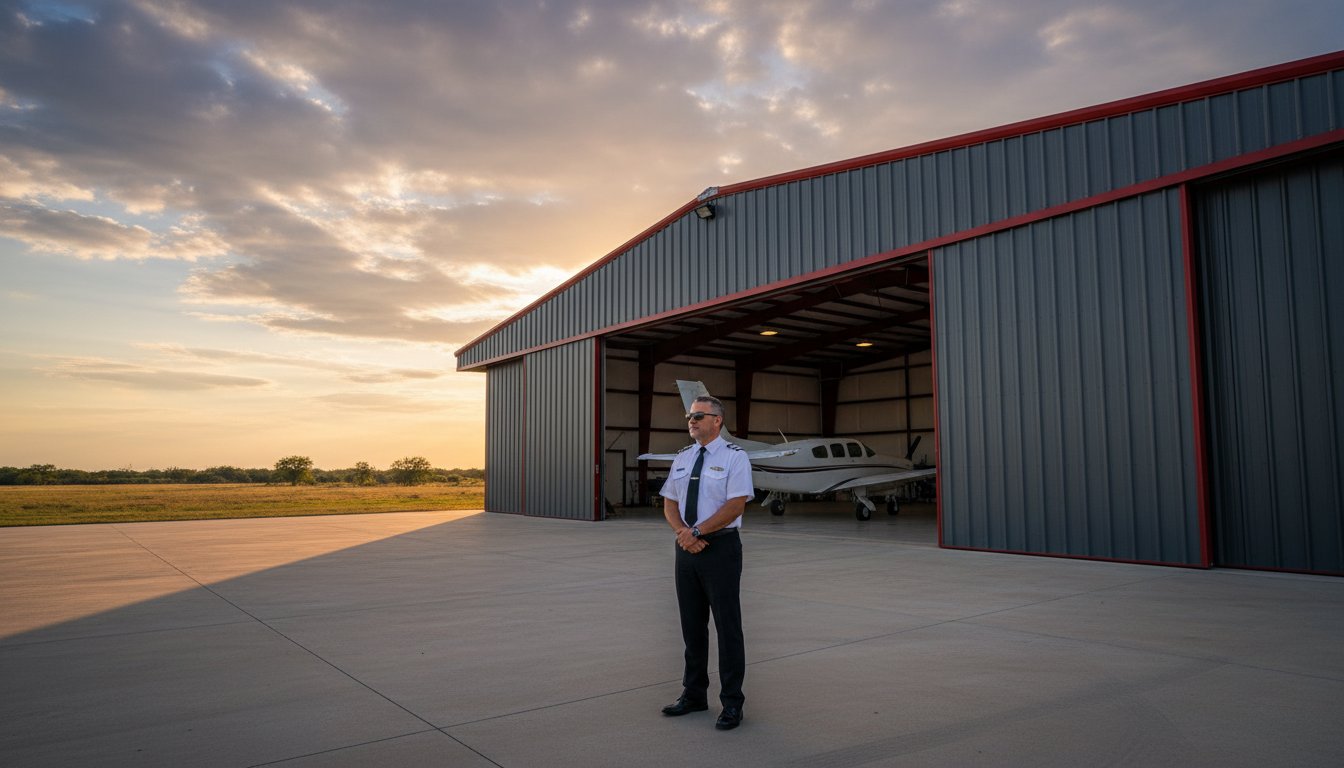
You spent over 2,000 hours earning your wings and even more on your aircraft. Yet, many pilots in Dublin, Texas, still leave their most valuable asset under a roof that isn’t rated for the 100 mph wind gusts common in Erath County. You know that quality hangar construction is more than just putting up four walls and a roof. It’s a shield against the unpredictable Central Texas climate and a sanctuary for your gear. Protecting your investment requires a structure that stands up to the elements without compromise.
This guide provides a comprehensive checklist to help you master your steel project for 2026. You’ll gain the knowledge needed to select a durable steel package and prevent condensation from damaging your expensive avionics. Bradberry Steel offers the technical expertise and high-quality materials required to ensure your build is both functional and lasting. We’ll cover everything from door clearances to local structural requirements. This roadmap gives you the confidence to manage your own project from the ground up.
Key Takeaways
- Learn how to navigate local zoning requirements and evaluate soil stability for a heavy-duty concrete foundation.
- Compare the benefits of pre-engineered red iron steel versus traditional weld-up structures for long-term durability.
- Calculate precise dimensions for door clearance and interior layout to ensure your hangar construction project fits your aircraft perfectly.
- Discover how to manage delivery schedules and inventory structural components to maintain an efficient project timeline.
- Use a 3D design tool to visualize your custom steel project and leverage decades of Texas building expertise.
Essential Planning for Hangar Construction in Central Texas
Building a hangar in Dublin or the wider Erath County area requires more than just a flat piece of dirt. Successful hangar construction starts with a clear understanding of local regulations. You must verify zoning requirements and permit needs with Erath County officials before you order a single component. Every municipality has specific setbacks and height restrictions that can stall a project if ignored. Planning for these details early ensures your project stays on schedule and meets all legal standards for 2026.
Central Texas soil varies significantly from one acre to the next. You need to assess soil stability to support a heavy-duty concrete slab foundation. A foundation for a light sport aircraft differs greatly from one designed for a heavy twin-engine plane. Without proper compaction and a thick enough pour, the weight of the aircraft and the steel structure will cause shifting over time. This Hangar overview provides a solid foundation for understanding how these structures must be designed to protect your investment. Before finalizing your layout, identify the primary use of the space. Whether you need a simple storage unit or a full maintenance shop will dictate the necessary interior square footage and ceiling height.
Site Selection and Ground Preparation
Ground preparation is the most critical phase for long-term durability. You must evaluate drainage patterns across your property. Water must move away from the steel base to prevent rust and foundation erosion. Checking for utility access is another priority. Running electrical and water lines after the slab is poured is a costly mistake that complicates the build. Ensure there is enough clearance for taxiway access and aircraft maneuvering. A narrow approach or tight turns can make the hangar difficult to use for larger aircraft or during gusty conditions.
Navigating Texas Wind Load Standards
Wind is a constant factor in the Dublin and Stephenville areas. The International Building Code (IBC) sets the baseline for safety in Central Texas. You must determine if your structure is open, partially enclosed, or fully enclosed. This classification changes the engineering requirements significantly. Open hangars can act like an umbrella in high winds; they require different bracing than fully enclosed buildings to prevent uplift. High-wind events are common in this region. Investing in a structure designed for these specific loads is the only way to ensure your aircraft remains protected during spring storms.
Bradberry Steel provides the high-quality aircraft hangar packages and raw steel supply needed to meet these rigorous standards. If you are ready to start your project, you can use our 3D design tool to visualize your layout or contact us to request a quote for your steel building materials.
Selecting the Right Structural Steel for Your Texas Hangar
Building a hangar in Dublin, Texas, requires materials that stand up to high winds and intense sun. Steel is the most reliable choice for this environment. It offers the strength needed to protect expensive aircraft while remaining cost-effective over the long term. Hangar construction requires a focus on long-term durability and structural integrity. Choosing the right system is the first major decision in any project.
Pre-Engineered vs. Weld-Up Systems
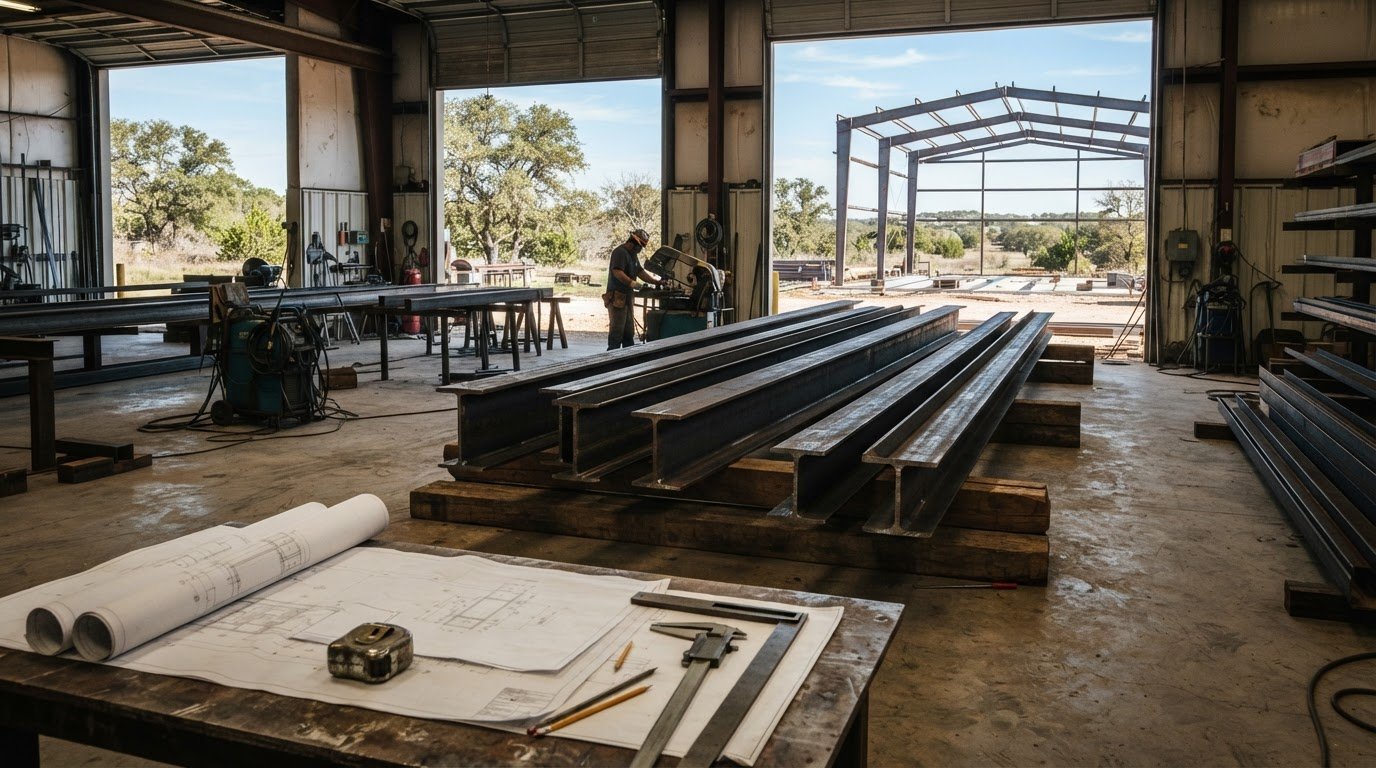
Pre-engineered kits are designed with precision. Every component is cut and punched at the factory to ensure a perfect fit during assembly. This speed of erection saves significant time on the job site. In contrast, weld-up buildings allow for maximum flexibility. They are ideal for projects where you need to make custom modifications as the structure goes up. For many pilots, pre-engineered steel buildings provide the most predictable results and highest structural integrity for large-scale storage.
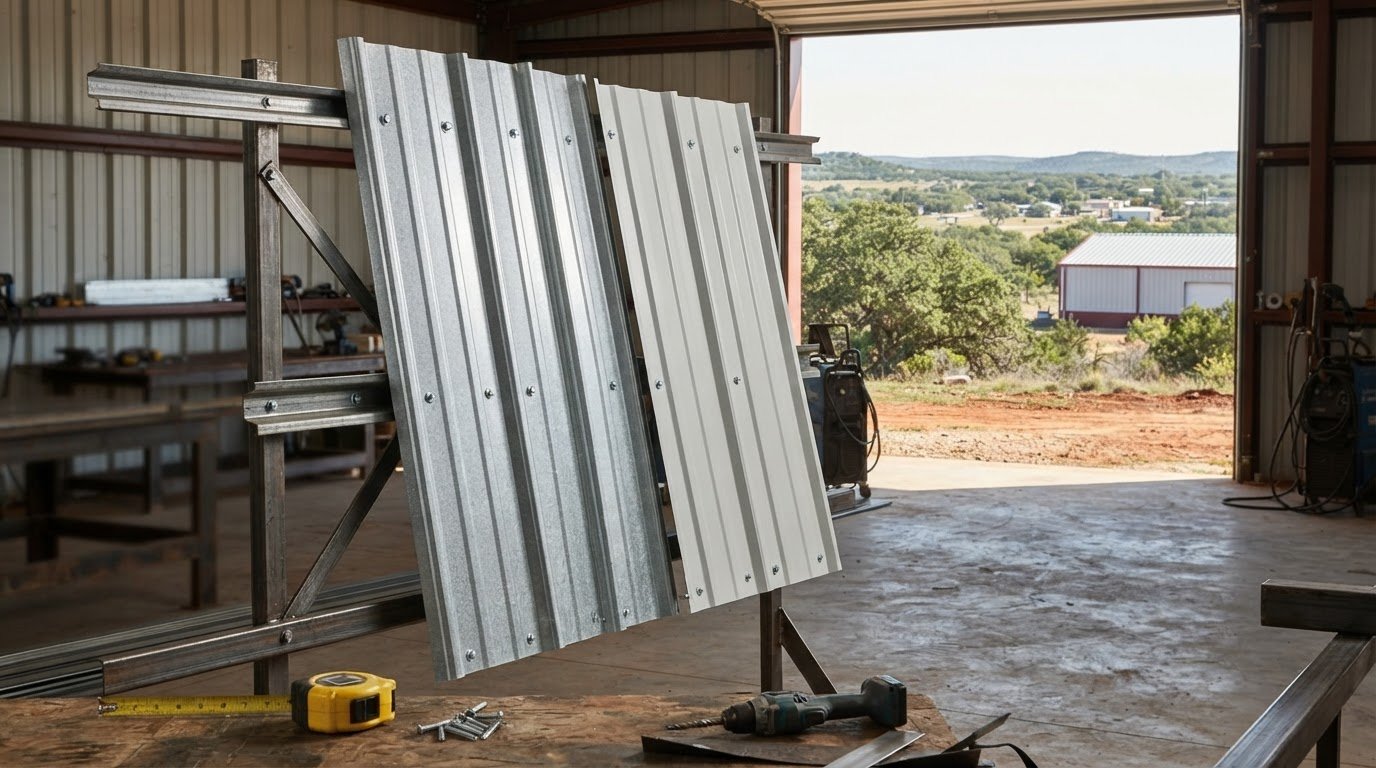
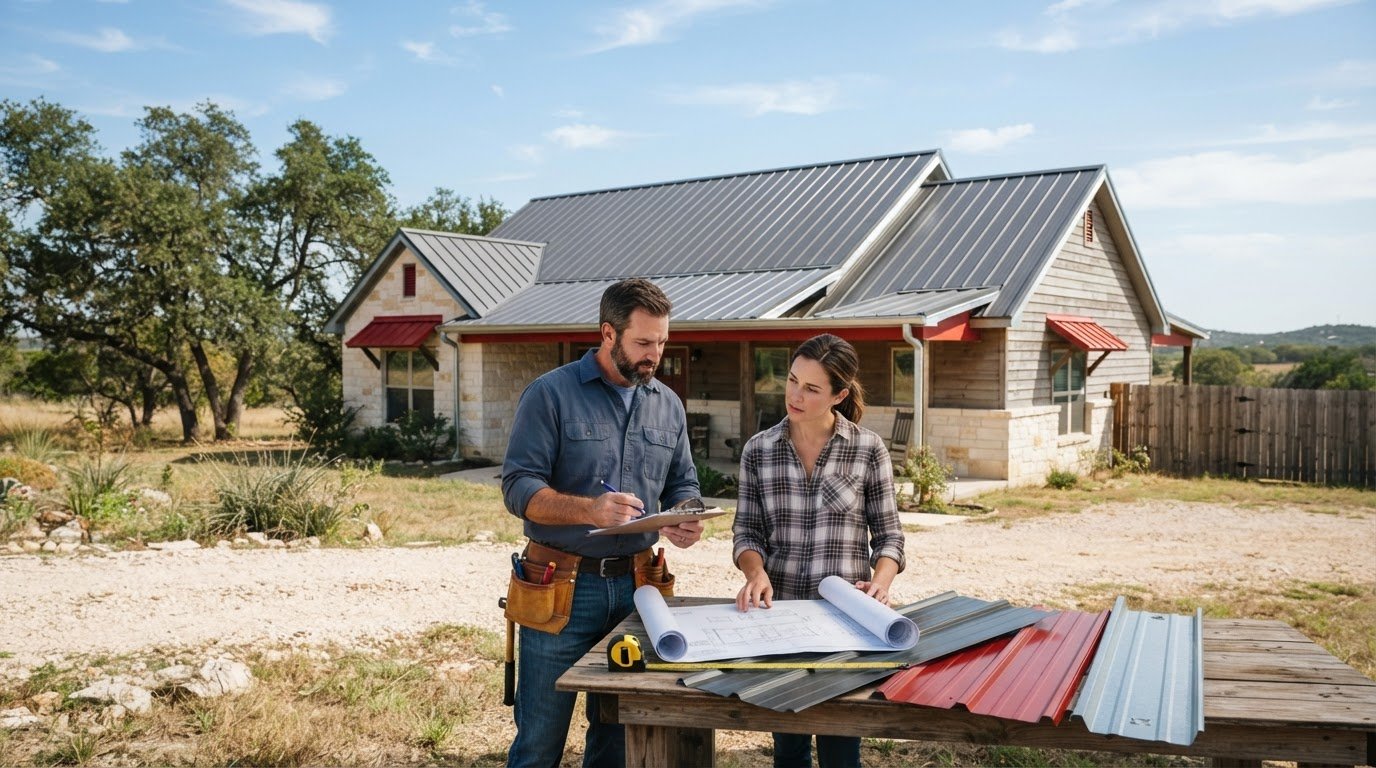
Red iron steel is the industry standard for long-span hangars. It provides the heavy-duty support required for wide, clear-span openings without the need for interior columns. This is vital when you are moving planes with wide wingspans. Durability also extends to the roof panels. In North Central Texas, hail is a frequent threat. A 26-gauge metal roof is the baseline for protection. However, upgrading to 24-gauge steel provides superior impact resistance against the large hailstones common during spring storms. This extra thickness can prevent costly leaks and structural damage over the lifespan of the building.
Thermal Control and Condensation Prevention
Texas heat can turn a steel hangar into an oven. Proper insulation is not just about comfort; it protects your avionics and upholstery from extreme temperature swings. High-quality insulation packages help prevent moisture buildup on the underside of the roof panels. Condensation is a silent enemy that leads to rust and mold if left unchecked.
Radiant barriers are also essential for hangar construction in the Brazos Valley. These barriers deflect up to 97 percent of radiant heat from the sun. This keeps the interior significantly cooler during July and August. You should also ensure the design includes proper ventilation. Pair ridge vents with louvers to maintain steady airflow and a stable interior temperature. This combination keeps the air moving and reduces the load on any climate control systems you choose to install.
Selecting the right materials ensures your investment lasts for decades. You can begin visualizing these structural choices by using the 3D design tool to map out your specific requirements and see how different configurations look on your property.
Critical Design Checklist: Door Clearance and Interior Layout
Precision starts with measurements. When planning your hangar construction, don’t just measure the plane you fly now. Think about what you might own in five or ten years. A standard single-engine aircraft might fit comfortably in a 40-foot wide opening, but larger twin-engine models often require 50 to 60 feet of clearance. Tail height is equally vital. You should ensure there is at least two feet of buffer above the highest point of the vertical stabilizer. This clearance prevents accidents during towing and allows for future upgrades to taller aircraft without requiring structural changes later.
Hangar Door Types and Functionality
Choosing a door system is a major decision in any hangar construction project. Each style offers different benefits based on your budget and how you use the space. Consider these three common options:
- Bi-fold Doors: These are a staple in Texas because they operate reliably even in high-wind conditions. They fold upward and stack at the top of the opening, which keeps the mechanism protected from the elements.
- Hydraulic Doors: These use a single heavy-duty panel that swings out. When fully opened, they provide a large shaded canopy. This extra shade is a massive benefit during a hot Dublin summer when you want to work on the plane outside the main bay.
- Sliding Doors: These remain a cost-effective choice for many private pilots. They are simple to maintain and don’t require the same level of electrical infrastructure as high-powered hydraulic systems.
Maximizing Interior Utility
A well-designed aircraft hangar does more than just shield a plane from the weather. It serves as a functional workspace for maintenance and relaxation. You should designate specific zones for tool storage and spare parts to keep the floor clear. This organization reduces the risk of “hangar rash” caused by bumping equipment into the airframe. Many owners choose to add a mezzanine level. This allows you to create a pilot lounge or extra storage area without sacrificing any of your valuable floor space.
Maintenance requires heavy-duty support. Plan for high-output LED lighting that eliminates shadows under the wings and fuselage. Place electrical outlets every 10 to 12 feet along the perimeter walls. It is also wise to include at least one 220-volt circuit for air compressors or welding equipment. Proper placement of these utilities ensures your hangar remains a productive environment for decades. Bradberry Steel provides the durable steel components and expert guidance needed to bring these designs to life. We focus on providing high-quality building packages that stand up to the Texas climate.
Ready to start your project? You can use the 3D design tool at Bradberry Steel to visualize your layout or contact us to request a quote for your steel building materials.
Managing Your Hangar Construction Materials and Logistics
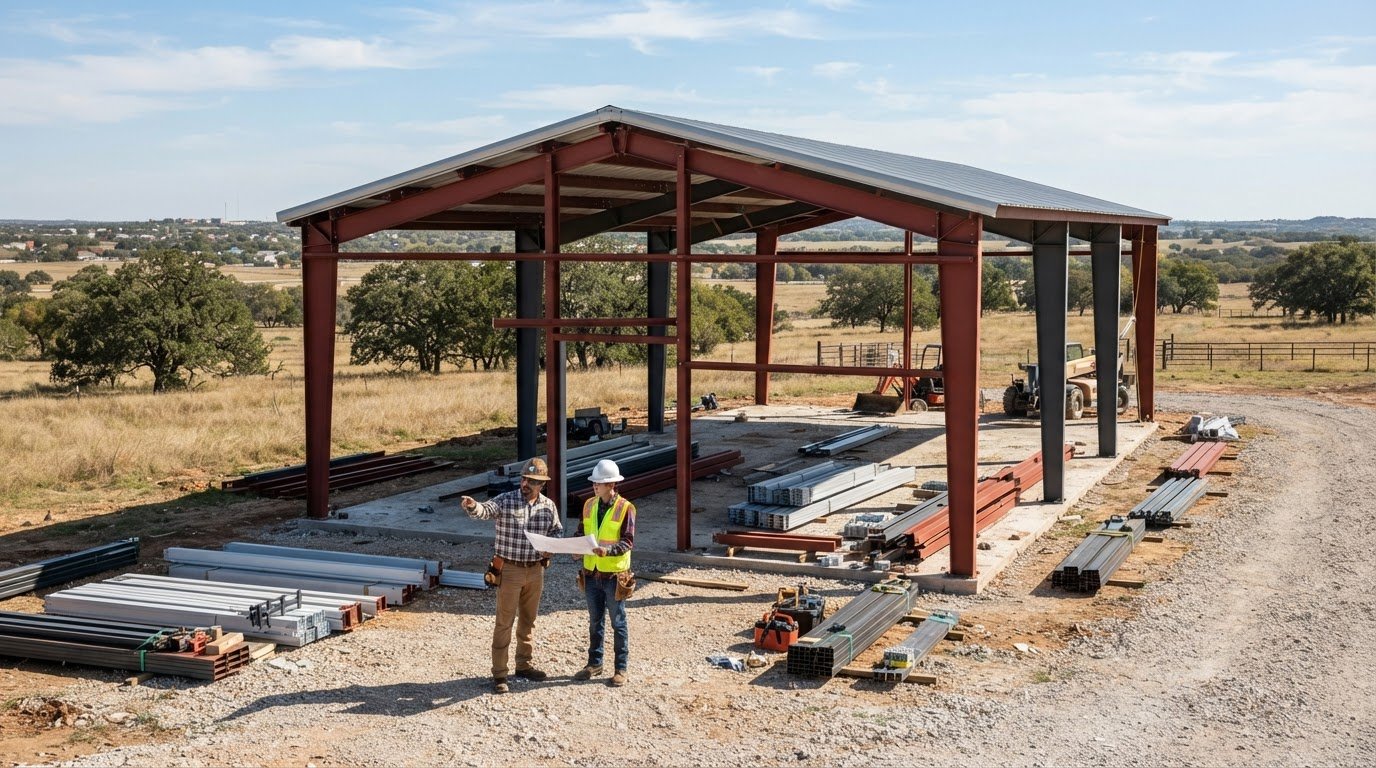
Successful hangar construction depends on the movement of heavy steel. You cannot leave logistics to chance. Coordinate your delivery schedule to ensure the site is ready for the weight of a flatbed truck. If the ground is soft from recent Central Texas rains, the delivery driver may not be able to reach your pad. Have your site prepped and accessible before the truck leaves the fabrication shop. This prevents expensive delays and keeps the project moving on schedule.
Once the steel arrives, inventory every component immediately. Structural steel projects involve hundreds of individual parts. Cross-reference the shipping manifest with the delivered materials. If a single purlin or specialized bolt is missing, your assembly timeline will stall. Check for any shipping damage before the driver leaves the site. It is much easier to resolve material issues during the unloading phase than halfway through the erection process.
Stage your materials with care. Do not drop steel directly onto bare dirt. Use dunnage or wooden blocks to keep structural members off the ground. This prevents moisture buildup and keeps the factory finish clean. In Dublin, TX, wind and humidity can impact exposed metal; keep smaller components like fasteners and trim in a dry, secure storage container. Hire a qualified local crew with experience in specialized steel assembly. Professional erectors have the rigging and safety gear required to handle large spans safely.
Receiving Your Steel Package
You must have the proper equipment ready when the truck arrives. A forklift with a minimum 5,000-pound capacity is usually necessary for safe unloading. Manual unloading is dangerous and inefficient for large-scale hangar construction. After the truck is empty, spend the first hour verifying the manifest. Store smaller items like sealants, screws, and hardware in a locked shed. These items are the easiest to lose but are critical for a weather-tight finish.
The Role of the Material Supplier
Bradberry Steel provides the complete engineered package for your project. We focus on precision fabrication and technical design coordination to ensure every beam fits perfectly. Our team handles the detailing and structural integrity of the steel kit. We do not provide on-site labor, installation, or site preparation services. You will need to hire your own contractor for the assembly. We provide the high-quality materials; your crew provides the local expertise to stand them up.
Design your custom layout today using our 3D design tool to see how your materials will look on-site.
Custom Steel Hangar Packages for Dublin and Stephenville Pilots
Protecting an aircraft requires more than a simple shed. You need a structure that handles the unpredictable weather of Central Texas. Bradberry Steel brings over 25 years of experience to every project. We understand the specific demands of Erath County pilots because we live and work here. Our family-owned business focuses on delivering rugged, dependable steel packages that stand up to high winds and intense heat. We don’t just sell kits; we provide the backbone for your aviation investments.
We supply high-quality red iron components and durable metal roofing systems. These materials offer the structural integrity needed for long-term hangar construction. Our approach is straightforward. We don’t use high-pressure sales tactics. Instead, we provide the technical guidance required to ensure your building kit meets your exact specifications. Every piece of steel we provide is a testament to Texas-bred integrity and precision engineering.
The Bradberry Steel Advantage
Our team specializes in steel solutions built for the Texas landscape. We use heavy-duty materials that require minimal maintenance over decades of use. You can visualize your build before the first piece of steel is cut. Our 3D design tool allows you to adjust dimensions and features in real time. This precision ensures the final package fits your site perfectly. For more detailed insights, read more about our aircraft hangar solutions. We focus on structural excellence so your investment remains secure for the long haul.
Starting Your Hangar Project Today
The first step in successful hangar construction is preparation. Gather your specific dimensions and site details to ensure your quote is accurate. Consider the wingspan of your aircraft and any extra space needed for maintenance or storage. Once you have your requirements, consult with our experts. We will help you select the best steel kit for your needs and ensure the fabrication process aligns with your timeline.
We take pride in our Texas roots and our reputation for precision. Our goal is to move your project from the planning stage to a structural reality without unnecessary distractions. When you are ready to begin, you can submit a quote request to receive a detailed breakdown of your custom package. We are here to provide the materials and expertise that make your project a success.
Build Your Aviation Legacy in Central Texas
Successful hangar construction in Dublin or Stephenville depends on two factors: meticulous planning and high-grade materials. Your 2026 project should prioritize clear span interiors and door clearances that accommodate your specific aircraft. Selecting a rugged red iron steel kit ensures your structure remains low-maintenance and durable against the Central Texas elements. Bradberry Steel has been Texas-owned and operated for over 25 years. We provide the local community with dependable building solutions that stand the test of time.
We focus on supplying professional-grade steel packages and offering expert guidance for owner-builders who value precision. Our team provides the structural detailing you need to move from a blueprint to a finished slab without the typical guesswork. We take pride in helping pilots and developers across the Brazos Valley secure their assets with heavy-duty industrial strength. Start visualizing your layout today to ensure every square foot serves your operational needs. Our kits are designed for those who demand excellence and local reliability in every beam.
Design your custom Texas hangar with our 3D tool and take the first step toward a structure that’s built for the long haul.
Frequently Asked Questions
How much does hangar construction cost per square foot in Texas?
According to 2024 industry data, the building package for hangar construction in Texas typically ranges from $15 to $30 per square foot. This price covers the primary steel components and metal panels but does not include the foundation or specialized hangar doors. Total project costs often increase by $5 to $10 per square foot when you account for site preparation and concrete work.
Do I need a special permit for a private aircraft hangar in Erath County?
Yes, you must secure a building permit through the Erath County Development Services office for any permanent steel structure. If your site is located within Dublin city limits, you’ll also need to follow local zoning ordinances regarding building height and setback distances. Always consult with county officials before you begin to ensure your project meets the 2024 safety and wind load requirements.
What is the best type of door for a steel airplane hangar?
Hydraulic swing doors are a top choice for steel hangars because they provide maximum overhead clearance and act as a natural canopy when open. These doors use heavy-duty cylinders and fewer moving parts, which reduces long-term maintenance needs. Bi-fold doors are another dependable option for Texas pilots; they offer excellent structural stability in high-wind conditions and require less exterior swing space than other designs.
Can I build a steel hangar myself or do I need a contractor?
You can assemble a pre-engineered steel hangar kit yourself if you have experience with heavy machinery and structural detailing. These kits arrive with pre-punched holes and clear assembly diagrams to make the process straightforward for a capable crew. Many owners choose to manage the erection themselves while hiring local specialists for the foundation and electrical work to ensure the building is up to code.
How long does it take to receive a steel hangar kit after ordering?
Most standard hangar construction kits are delivered to your site within 8 to 12 weeks after you approve the final engineering drawings. Custom designs with specialized dimensions or heavy structural loads may require an additional 4 weeks for fabrication. Planning your site prep during this window ensures you’re ready to start the erection process the moment the steel arrives on your property.
What kind of foundation is required for a pre-engineered steel hangar?
A reinforced concrete slab with thickened edges is necessary to support the concentrated weight of a steel building’s rigid frame. In Erath County, your foundation must be designed to handle the specific soil conditions and the weight of your aircraft. It’s vital to have an engineer review your plans to ensure the concrete can withstand the pressure at the column base plates without cracking.
How do I prevent condensation from forming inside my metal hangar?
Installing high-quality insulation with a built-in vapor barrier is the most effective way to stop condensation in a metal building. This barrier prevents warm air from hitting the cold steel panels, which is where moisture typically forms. You should also include ridge vents and eave vents in your design to promote steady airflow; this keeps the interior environment dry and protects your avionics from moisture damage.
Does Bradberry Steel offer custom sizes for helicopter hangars?
Bradberry Steel provides fully customizable metal building packages that meet the unique height and width requirements of helicopter storage. Whether you need extra vertical clearance for rotor blades or a wide-span opening for easy access, these kits are engineered for precision and durability. You can utilize their 3D design tool to map out your specific layout and ensure the structure fits your tail height and rotor diameter.
Ready to move forward with your aviation project? Request a quote from Bradberry Steel today or use the 3D design tool to start planning your custom hangar.
Disclaimer
Bradberry Steel is a steel supply and metal building package company based in Dublin, Texas. We do not provide installation, site preparation, foundation work, or general contracting services. All building projects should be reviewed by a qualified local contractor and may require permits depending on your county or municipality. Contact Bradberry Steel for product guidance and material quotes.