

Panel choice changes the life expectancy of a metal roof in Texas. Screw-down metal roofs typically last 20 to 30 years with routine maintenance, while standing seam roofs can last 40 to 70 or more years. The system, upkeep, and exposure to weather all shape how long a roof performs.
When planning a roof, look beyond the material itself. Fastener design and maintenance also matter, especially when comparing systems for a Texas home, ranch, or commercial building.
This guide compares common metal roof panel systems and explains what affects their service life. Learn how screw-down and standing seam roofs differ, what maintenance each requires, and how to weigh those trade-offs for your project.
Key Takeaways
- Compare panel attachment and maintenance needs before choosing a metal roofing system.
- Consider roof slope, weather exposure, and material when estimating how long a roof may serve your building.
- Weigh metal roofing’s service life and upkeep against the replacement cycle of asphalt shingles.
- Keep debris and gutters clear, and watch for loose fasteners to help protect the roof over time.
Lifespan by roofing panel system
In Texas, the life expectancy of a metal roof depends on its panel system, material, and upkeep. Metal roofs generally last 40 to 80 years, depending on material. Panel design matters because exposed fasteners and concealed fastening systems have different maintenance demands.
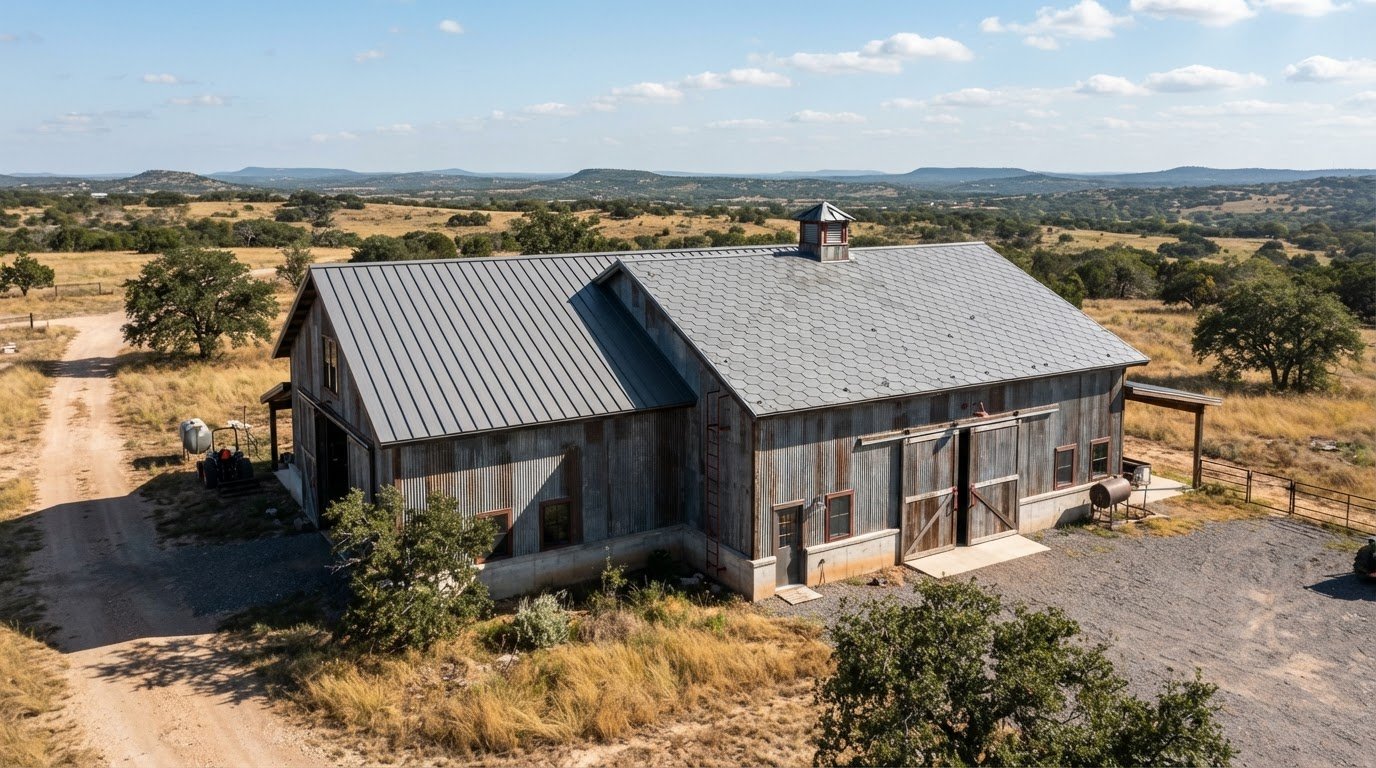
Screw-down panels typically last 20 to 30 years with routine maintenance. Their fasteners pass through the panels, so temperature changes can loosen them over time. Standing seam panels conceal their fasteners beneath raised seams and can last 40 to 70 or more years. Copper and zinc roofs can exceed 70 to 100 years or more with proper care.
| Roofing option | Typical lifespan | Key consideration |
|---|---|---|
| Screw-down metal panels | 20 to 30 years | Routine fastener maintenance |
| Standing seam panels | 40 to 70 or more years | Concealed fasteners |
| Copper or zinc | More than 70 to 100 years or more | Proper care and maintenance |
Metal roofing’s material and finish also affect performance. Granular or pre-painted options can re-emit up to 90% of solar radiation, but that figure does not establish a specific lifespan. Choose a finish for the building’s exposure and upkeep needs, then compare system details rather than relying on color alone.
Texas building codes and local rules can affect roof installation requirements. Requirements depend on the project’s location and scope, so the roofing system must suit those conditions.
Installation quality affects service life: temperature changes can loosen fasteners, while correct panel alignment, secure fastening, and well-finished roof details help limit water entry. Routine maintenance is especially important for screw-down systems with exposed fasteners.
Choose screw-down panels if routine fastener maintenance fits your upkeep plan. Consider standing seam or durable materials if longer service life is a priority.
How long do metal roofs last?
A metal roof’s service life depends on its material, design, and maintenance. In Texas, heat, wind, and storms make weather performance an important part of the comparison.
Weather Resistance and Durability
Metal roofing resists weather through a continuous roof surface and durable panels. Its performance still depends on the chosen system and the building’s conditions. Scratches or damage to a panel’s finish can expose the underlying metal to moisture and corrosion. Keep the roof surface in good condition and address visible finish damage as part of protecting the roof over time.
Extreme Weather Performance
Metal roofing can resist wind gusts up to 140 mph. That figure describes a potential level of resistance, not a promise for every roof. Panel design, fastening, roof shape, and installation all matter under strong winds. Texas properties also face intense sun and changing temperatures, which can stress roof components over time. A sound system needs suitable details for the building and its local exposure.
Metal roof warranties are governed by their written terms. Review covered components, the coverage period, maintenance duties, and exclusions. If the warranty names improper installation, unauthorized changes, or missed maintenance as exclusions, those issues can affect coverage. Keep warranty documents and roof-care records together for easy reference.
Routine checks can help catch small problems before water reaches the roof deck. Include these practical checks in your roof-care routine:
- Clear leaves and other debris from roof surfaces.
- Clean gutters so rainwater can drain away.
- Look for loose fasteners or visible damage after severe weather.
Temperature changes can loosen metal roof fasteners, so secure attachment and ongoing upkeep matter. Debris can trap moisture against roof components. A simple inspection can reveal drainage problems or loose parts that need attention. Consider the roof’s exposure and warranty requirements when planning maintenance.
Metal roofs compared with asphalt shingles
For Texas property owners, the comparison comes down to service life, heat performance, and maintenance. Asphalt shingles generally last 15 to 30 years. Metal roofing can serve longer, while its reflective performance may help reduce cooling costs.
| Criteria | Metal roofing | Asphalt shingles |
|---|---|---|
| Typical lifespan | Varies by panel system and material | 15 to 30 years |
| Cooling performance | Can reduce cooling costs by up to 25% | No comparable figure provided here |
| Fire classification | Noncombustible, Class A fire rating | Not compared here |
Service life matters when planning the building’s long-term upkeep. Asphalt shingles may need replacement sooner, while a metal roof’s lifespan depends on its system, material, and care. A longer-lasting roof may mean fewer replacement projects over the building’s life, but the right choice also depends on roof design and maintenance.
Heat performance is another point of comparison for Texas buildings. Metal roofing can reduce cooling costs by up to 25% by reflecting solar radiant heat. Metal roofs are also noncombustible and have a Class A fire rating. These attributes may matter to homeowners weighing roof performance alongside expected service life.
Solar panels add another consideration. The roof’s remaining service life, panel layout, and attachment method affect how the projects fit together. Installing panels on a roof that will soon need replacement can mean extra work later. Plan the roof and solar project together, allowing for access to fasteners, seams, and roof penetrations.
- Compare the roof’s expected remaining life with the solar system’s planned service period.
- Map panel placement around roof features and drainage paths.
- Choose an attachment approach suited to the specific roof system.
Compare long-term upkeep, heat performance, and solar plans. Metal roofing may suit owners prioritizing durability and lower maintenance; asphalt may suit projects where a shorter replacement cycle fits the plan.
Inspection and maintenance
Keep a roof record with details about your specific system. Store panel information, installation documents, care instructions, and repair records together. Note which areas were worked on and what materials were used. These details clarify the roof’s history and provide a useful starting point for future maintenance decisions.
A simple roof sketch can make the record more useful. Label each section and mark repairs or recurring concerns. Add dated notes after work, including what was addressed and whether the issue returned. For example, repeated trouble in one area can help direct attention during later inspections.
Keep the maintenance process organized:
- Save product and panel details with the building records.
- Use the same roof-area labels in notes and repair records.
- Record the date and scope of each maintenance task.
- Follow the care instructions provided for the specific roof system.
Clear records are useful when the building changes, too. Before adding equipment or planning roof work, consult the roof documents so the system’s details inform the project. Keep updated drawings or maintenance instructions with the original records, allowing the next person reviewing the roof to understand what has changed.
For a future project, weigh maintenance needs alongside the roof design and building use. A ranch home, workshop, or agricultural structure may have different access and planning considerations. Compare residential metal roof options as you decide which system fits your plans and the care you intend to provide.
Proper installation and maintenance are crucial to counter loosening of metal roof fasteners caused by temperature changes. Annual inspections are recommended to help prolong the life of a metal roof. Clear debris, clean gutters, trim branches, and check for loose fasteners. Replace screws and washers on screw-down metal roofs every 5-10 years to prevent leaks.
Bradberry Steel: Steel buildings (pre-engineered, weld-up, aircraft hangars, self-storage)
Bradberry Steel supplies metal roofing and steel building systems for residential, commercial, and agricultural projects. If you’re weighing panel life, upkeep, and building needs, the team can help you compare options and coordinate materials for your project.
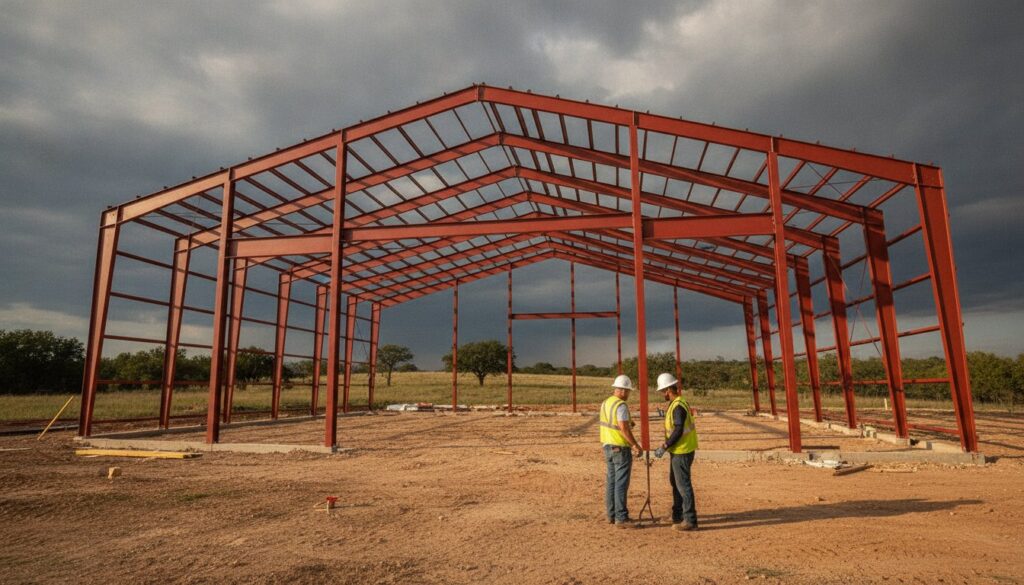
For a home, explore metal roofing or steel-framed homes. For a larger project, consider pre-engineered or weld-up steel buildings, including aircraft hangars and self-storage facilities. The right option depends on the structure’s purpose, roof design, and the maintenance you can sustain over time.
Use the lifespan and maintenance factors in this guide to shape your project questions. Then contact Bradberry Steel to discuss metal roofing or a steel building package for your plans.
Plan a Roof That Fits Your Building
Before choosing a roof, consider what the building needs to do throughout its working life. A home, workshop, and agricultural building each place different demands on roof layout, access, and future upgrades. List your priorities, including the building’s use, roof design, maintenance plan, and any solar plans. These details provide a practical starting point for comparing options.
Estimating the life expectancy of a metal roof in Texas starts with choosing a system that fits the structure and your maintenance approach. Use your project priorities to focus the discussion on panel choice, roof details, and materials. Clear decisions now can make planning the larger project more straightforward.
Bradberry Steel can help you discuss metal roofing and steel building materials for your plans. Contact Bradberry Steel to discuss your roof, and take the next step with a clear project direction.
Frequently Asked Questions
How long does a metal roof last in Texas?
For an existing roof, installation records and current condition are more useful than a broad lifespan estimate. Find the panel and material details, then compare the roof’s age with its visible condition and repair history. If records are missing, account for that uncertainty when planning future work. This can help distinguish a roof to monitor from one that needs a replacement plan.
How do Texas heat, hail, wind, and humidity affect metal roof lifespan?
Local exposure helps explain why two similar roofs can age differently. A property with open exposure may face different wind demands than one sheltered by nearby structures. Hail impact and persistent moisture can also affect the roof surface and surrounding details. Consider the building’s setting and the roof system’s design together when reviewing expected performance for a specific Texas location.
What maintenance helps a metal roof last longer in Texas?
Use repair materials and methods suited to the specific roof system. A patch or replacement part that doesn’t fit the panel design can interfere with the way roof sections connect. Before making changes, consult the system’s care instructions and product documentation. Keep the original roof details available for repair planning, so decisions reflect the actual panels rather than assumptions about metal roofs in general.
What are common signs a metal roof needs repair or replacement?
Check inside the building as well as the roof exterior. New water stains on ceilings or walls, daylight visible through the roof, or a bent or misaligned panel can signal a problem. These signs don’t automatically mean the entire roof needs replacement. Note where they appear and whether they recur, then assess the affected area and surrounding roof structure.
How do metal roofs compare with asphalt shingles for lifespan and cost in Texas?
Metal roofing generally offers longer service potential, while asphalt shingles may cost less initially. To compare project quotes fairly, check that each covers the same roof area and scope, including removal of existing materials, roof edges, and required details. Consider the timing and cost of future roof work alongside the initial quote. This gives a clearer picture than comparing material prices alone.
Disclaimer
Bradberry Steel is a steel supply and metal building package company based in Dublin, Texas. We do not provide installation, site preparation, foundation work, or general contracting services. All building projects should be reviewed by a qualified local contractor and may require permits depending on your county or municipality. Contact Bradberry Steel for product guidance and material quotes.