
The steel package is only one part of a metal riding arena’s total cost. A steel riding arena supplier in Brownwood can help tailor the package to your arena’s dimensions, intended use, and required features. Site work and construction are separate parts of the project.
It’s easy to focus on building size first, but clear-span width, eave height, and whether the arena is for private riding, lessons, or competition also shape the design. This article covers factors that affect the overall budget, what to look for in a steel package, and how arena dimensions relate to riding needs.
You’ll also learn how supplier support can move a project from planning to a clearly defined building package. The goal is simple: understand the decisions that shape your arena before settling on a design.
Key Takeaways
- Separate the steel building package from site work and other project costs to form a clearer budget.
- Match arena dimensions, clear-span space, and height to how you plan to ride or host events.
- Review what the prefabricated steel kit covers so you understand the building package and what falls outside it.
- Choose supplier support that helps align the building design and materials with your project needs.
How Much Does a Metal Riding Arena Cost?
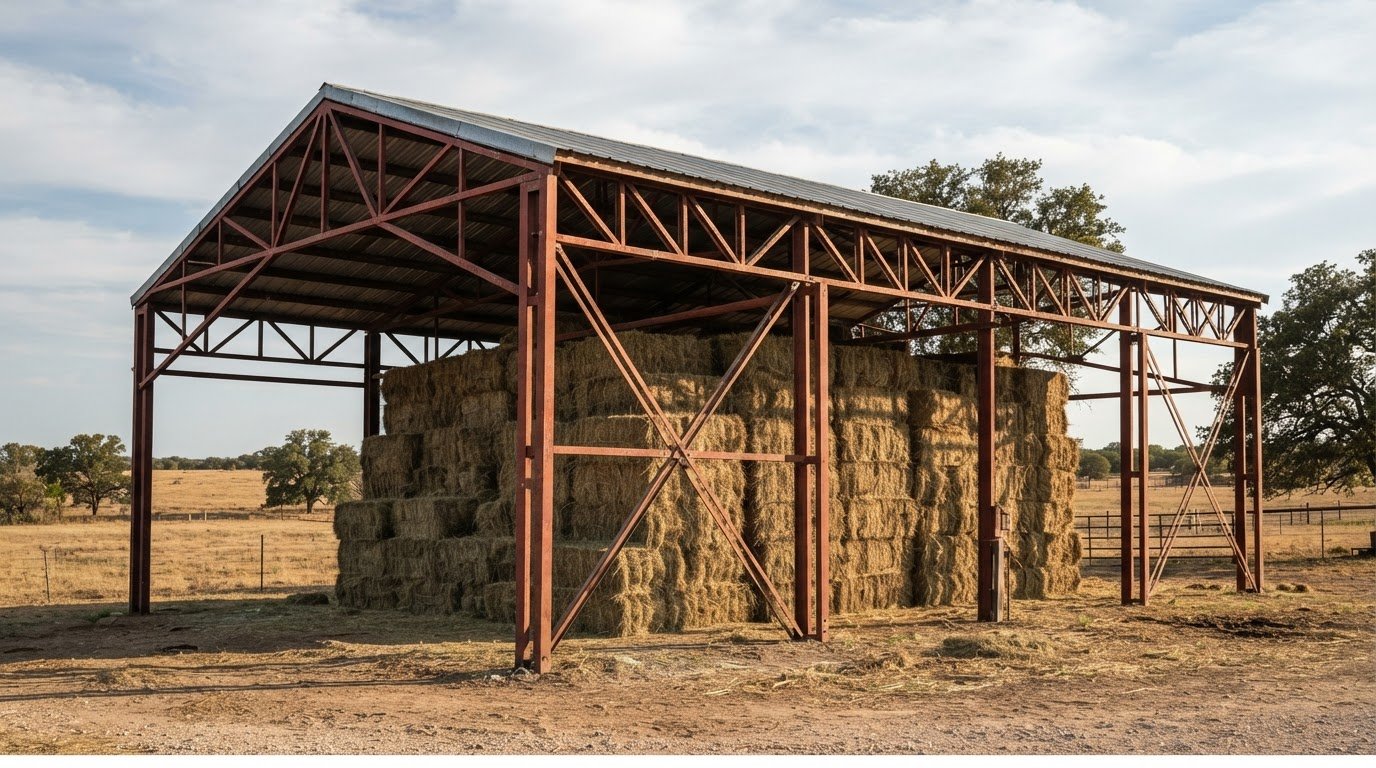
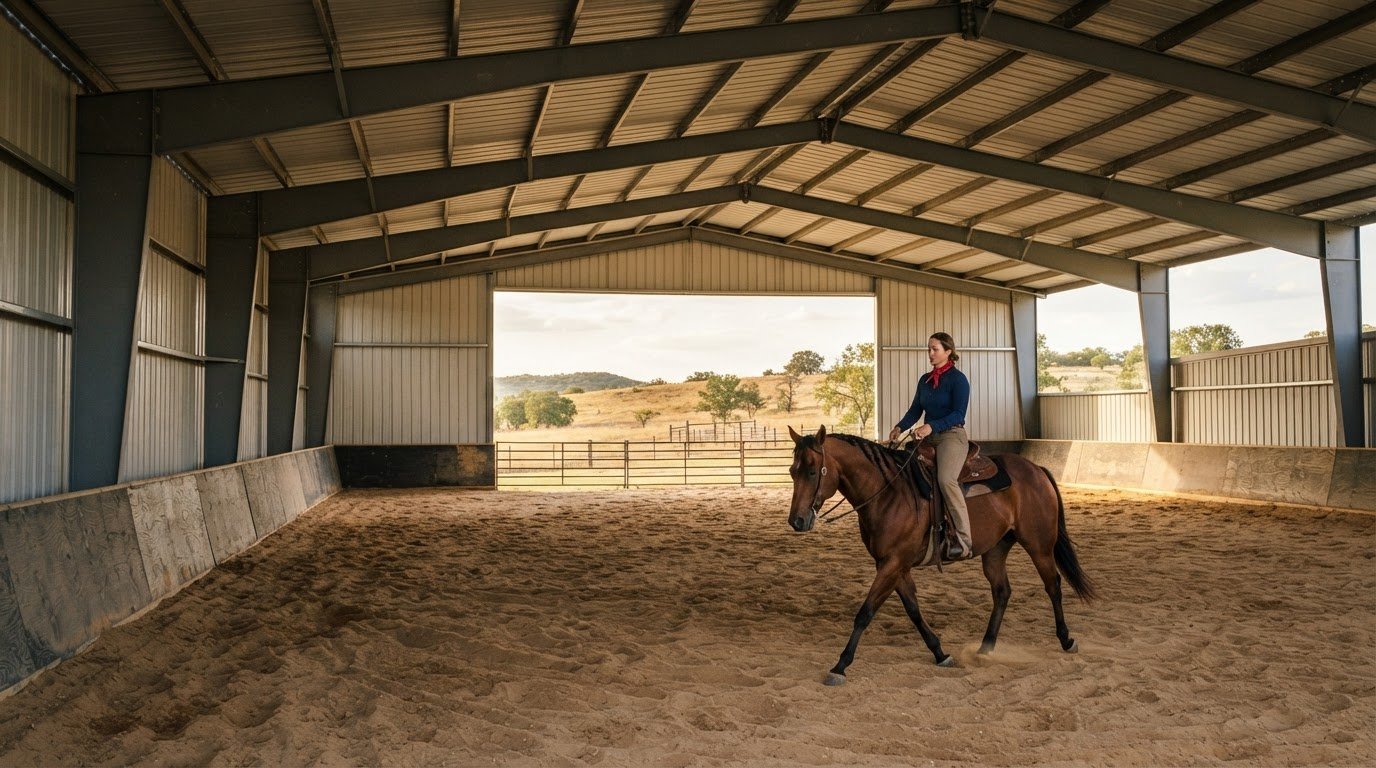
The cost depends on the arena’s size, frame design, roof, and level of enclosure. A covered arena protects the riding area from overhead weather while leaving sides open. An enclosed arena adds walls, doors, and choices for ventilation. Each added component affects the building package, so compare designs by what they include, not square footage alone. A metal building can be tailored for private riding, lessons, or competition, with clear-span space planned around its use.
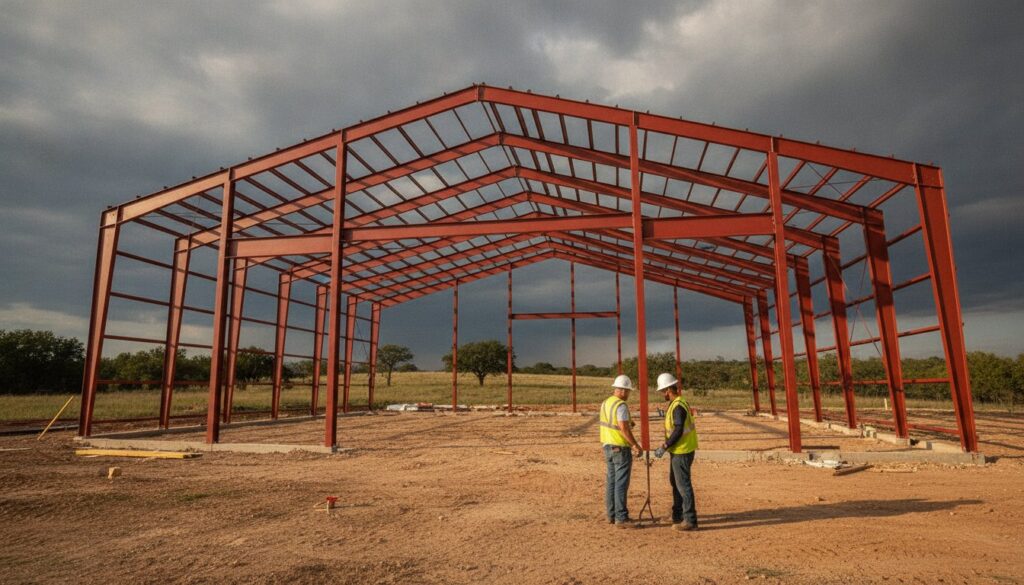
Engineered steel frames support wide, open riding areas without interior posts or columns. Clear spans of 60 feet or more suit arena layouts, while steel-frame structures can accommodate widths of 200 feet or more. A personal arena may start around 60 by 100 feet; a competition layout can scale much larger. These dimensions change the amount of framing and roof material required. Eave height matters, too. A minimum of 16 feet is recommended for jumping or pole work, while competition arenas commonly use 18-to-22-foot eaves.
Fabric-covered structures offer a different approach, with free widths up to 200 feet. However, fabric coverings are difficult to insulate. Wood-frame arenas can be insulated at the roof and walls, but their typical width is around 90 feet. Steel frames can accommodate wider layouts and provide an uninterrupted riding field. The right structure depends on the needed span, enclosure, and planned use, not simply the covering material.
Customization also shapes the project scope. For example, a lesson arena may need enclosed areas, while an open-sided covered arena may suit basic exercise. A 100-by-200-foot competition arena can fit a 20-by-60-meter dressage rectangle. That footprint, its clear span, and its eave height all influence the design. Ask for a package based on the intended dimensions and features; the quote depends on the project’s scope and configuration. This makes it easier to understand which building components are included and which costs relate to separate project work.
Prefabricated steel arena kit components and construction
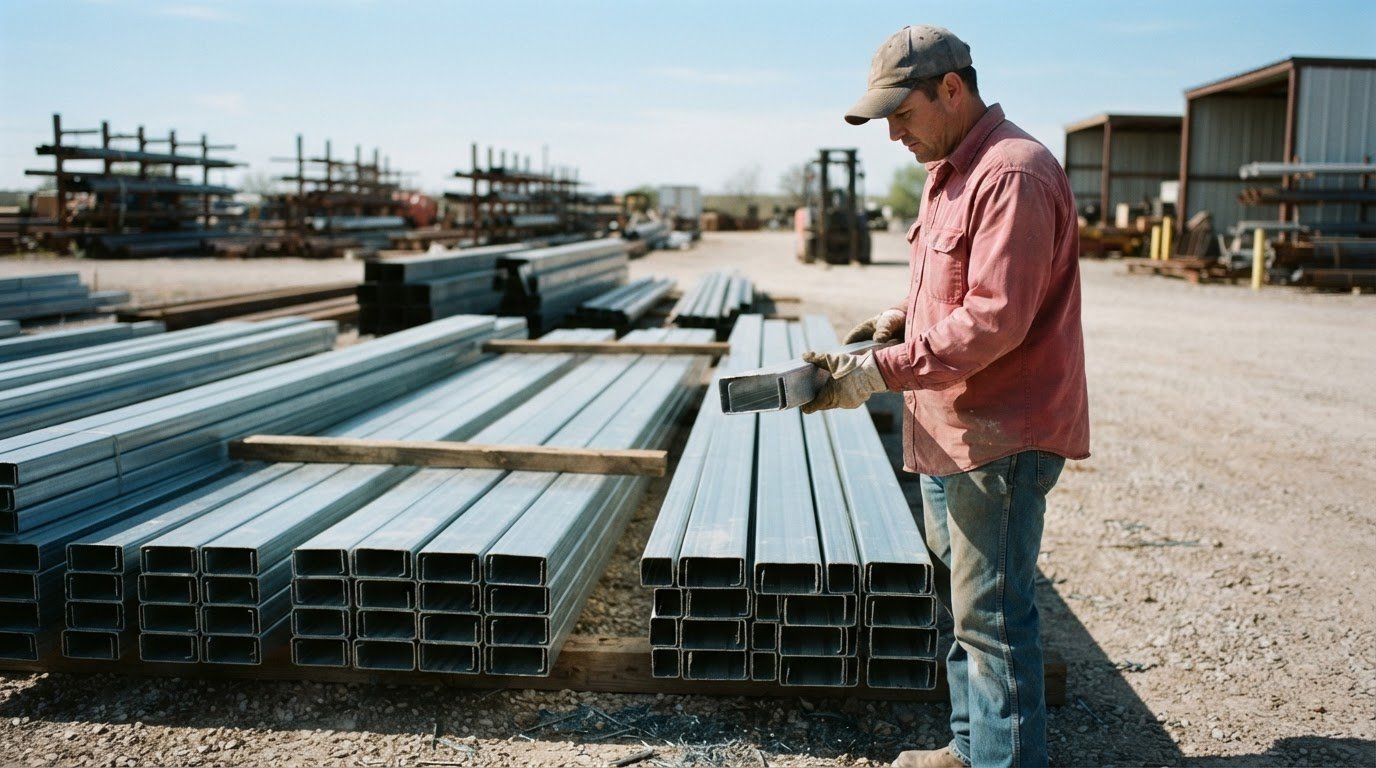
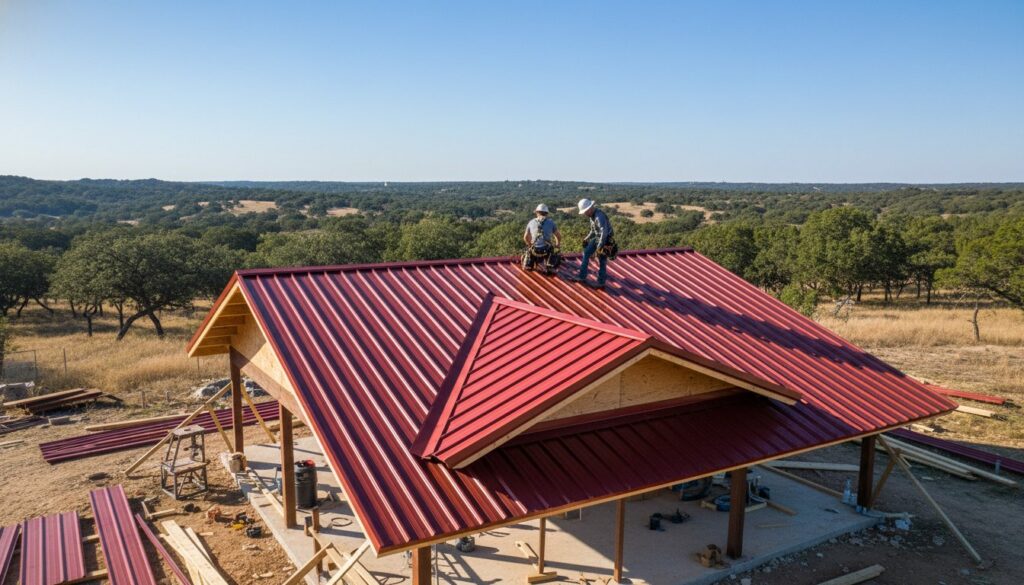
A prefabricated steel arena package is designed around an engineered frame and building layout. Package documents should identify the structural members, roof and wall components, connections, and other included materials. A covered arena may have a roof without full wall enclosure, while an enclosed facility adds walls and doors for weather protection. Lighting, footing, and arena equipment are separate considerations, not automatic package components. A clear span keeps interior columns out of the riding area.
A steel package follows a planned building design, while a custom design allows more project-specific choices. Either way, define the dimensions and intended use before materials are prepared. A competition layout, for example, may need different openings or lighting plans than a covered practice arena. A supplier can clarify the package and design options, while erection, foundation work, and site preparation are separate responsibilities.
Steel arena projects typically take 4-6 months from signed contract to first ride. That overall timeline includes more than steel delivery: design decisions, permitting, site readiness, construction scheduling, and weather can affect progress. Permitting requirements depend on the project and location, so approval steps belong in the schedule. Structural warranty terms also vary. Read the written coverage for the frame and identify what it excludes before selecting a package.
In Brownwood, drainage, ground conditions, and site preparation should be addressed before steel erection. The site plan needs to account for water flow, foundation requirements, and access for construction equipment. Local conditions vary by property, so these details are part of project planning, not a standard kit assumption. A steel riding arena supplier can coordinate building-package information, but does not replace site or permitting professionals. Use the 3D steel building design tool to explore building dimensions and layout choices before discussing a package.
Warranty comparisons can add another check to package review: quality manufacturers offer a 25-40 year warranty range for steel arena structures. When selecting a steel building partner, use the 25-50 year warranty range as a benchmark, then compare written coverage and exclusions rather than relying on a headline term. Leave 10-12 feet of clearance around the arena foundation for construction access, and include that space in site planning before erection begins.
Selecting a steel arena supplier and project support
When comparing steel riding arena builders near Brownwood, distinguish material supply from construction labor. A supplier defines the building package, framing, dimensions, and included components. Ask for drawings showing the length, height, roof layout, and interior columns. These details help you assess whether the steel building suits the planned use and horse traffic. A clear package description also shows what falls outside the steel order.
Turnkey steel equestrian arena installation in Brownwood is different from purchasing a building package. Bradberry Steel supplies building materials and design information, but does not install buildings or provide contracting, site preparation, foundation work, or permitting. Arrange those responsibilities separately and coordinate the steel delivery with the construction schedule.
Assess supplier support against your project requirements. Explain whether the arena is for private riding, lessons, or competition, then define the required span, openings, and enclosure. Bradberry Steel can discuss pre-engineered packages. Request written scope details for the framing and building components, along with drawings showing key dimensions. The right fit is the package that suits the intended use, not simply the lowest initial quote.
Customer reviews of steel riding arena contractors near Brownwood can offer context about communication and coordination. Look for specific examples, such as how clearly scope changes were explained or delivery details communicated. A review describing a concrete project experience is more useful than general praise. Reviews do not replace a written package scope, drawings, or a clear division of responsibilities.
Before proceeding, organize the decisions that affect the steel order: arena use, building length, height, clear-span needs, and whether walls are required. Review the package documents and resolve design choices before fabrication. For a horse arena, keeping the riding floor free of interior columns may be essential. Clear communication helps align the steel package with the project plan.
Steel riding arena suppliers serving Brownwood, Texas
For a Brownwood arena, define the building package and separate project responsibilities from the start. Bradberry Steel supplies steel materials and design information; site preparation, foundation work, permitting, and erection require separate arrangements. Put those boundaries in writing before ordering. This distinguishes the steel package from work performed at the property and gives everyone a clear scope.
Prepare a short project brief covering the intended use, dimensions, and enclosure. A private covered arena and a competition facility, for example, may have different space and access needs. Note the planned width, length, eave height, and whether the riding floor must remain clear of interior columns. These details give Bradberry Steel a practical basis for discussing framing and building components, rather than a general estimate based on the arena type.
Property conditions around Brownwood also affect project planning. Share the site location and access details so delivery planning can account for the route and unloading area. Address drainage, ground conditions, and foundation requirements before erection. These are not steel-package components, but they can affect when the building package can be put to use.
Review drawings and package documents against the riding plan. A 60-foot clear span, for instance, is a useful starting point for checking whether the riding space meets your needs. Confirm that listed dimensions, openings, roof layout, and included materials match the project brief. For a competition venue, consider how riders, horses, and equipment will move through the building, including door locations and circulation space.
A useful supplier conversation ends with a defined package, clear drawings, and a written division of responsibilities. Gather the arena dimensions and intended use, then request a steel building quote based on those project details. This gives the discussion a practical starting point without treating construction, site work, or permitting as part of steel supply.
An arena project can also be discussed in light of a specific use: the Comanche, Texas roping arena was built for Speed Williams, identified as an eight-time PRCA world champion. The example shows why buyers should describe the activities the building must accommodate and confirm the proposed package suits those needs before ordering.
Bradberry Steel
Bradberry Steel supplies steel building packages and design coordination for projects with specific requirements. For a riding arena, bring the intended use, dimensions, clear-span needs, and enclosure preferences to the discussion. These details help define the building scope and identify the components included in the steel package.
Contact Bradberry Steel to discuss steel building options and how your arena requirements shape the package. The company supplies building materials, not installation, site preparation, foundation work, or permitting, so arrange those responsibilities separately.
Contact Bradberry Steel to discuss your project.
Set the Arena Project in Motion
A riding arena should meet the property’s needs beyond the first season. Consider who will use it, how the facility may serve over time, and which design choices matter most for daily operations. This helps distinguish essential features from options that can wait and keeps planning focused on priorities.
Before discussing a package, write down the arena’s purpose, preferred layout, and possible future uses that could affect the design. This gives a steel riding arena supplier in Brownwood a practical starting point for discussing a suitable building package and keeps the scope grounded in how the arena will function.
Bradberry Steel can discuss steel building packages and project guidance as you shape your plans. Request a quote from Bradberry Steel about your arena. A well-defined plan is a solid first step toward a building that fits your operation.
Frequently Asked Questions
Why Choose a Metal for Your Equestrian Facility?
Steel can be a durable, cost-effective, and low-maintenance option for an equestrian facility in Texas. Design flexibility allows the building package to reflect how the space will be used, from private riding to a working horse operation. Plan the arena shell around regular use, then consider footing, lighting, and other features for daily care separately.
Wind load and building code requirements Brownwood Texas steel arenas
Permitting requirements depend on the project and location. Plan approval steps separately from the steel package and include them in the project schedule.
Disclaimer
Bradberry Steel is a steel supply and metal building package company based in Dublin, Texas. We do not provide installation, site preparation, foundation work, or general contracting services. All building projects should be reviewed by a qualified local contractor and may require permits depending on your county or municipality. Contact Bradberry Steel for product guidance and material quotes.