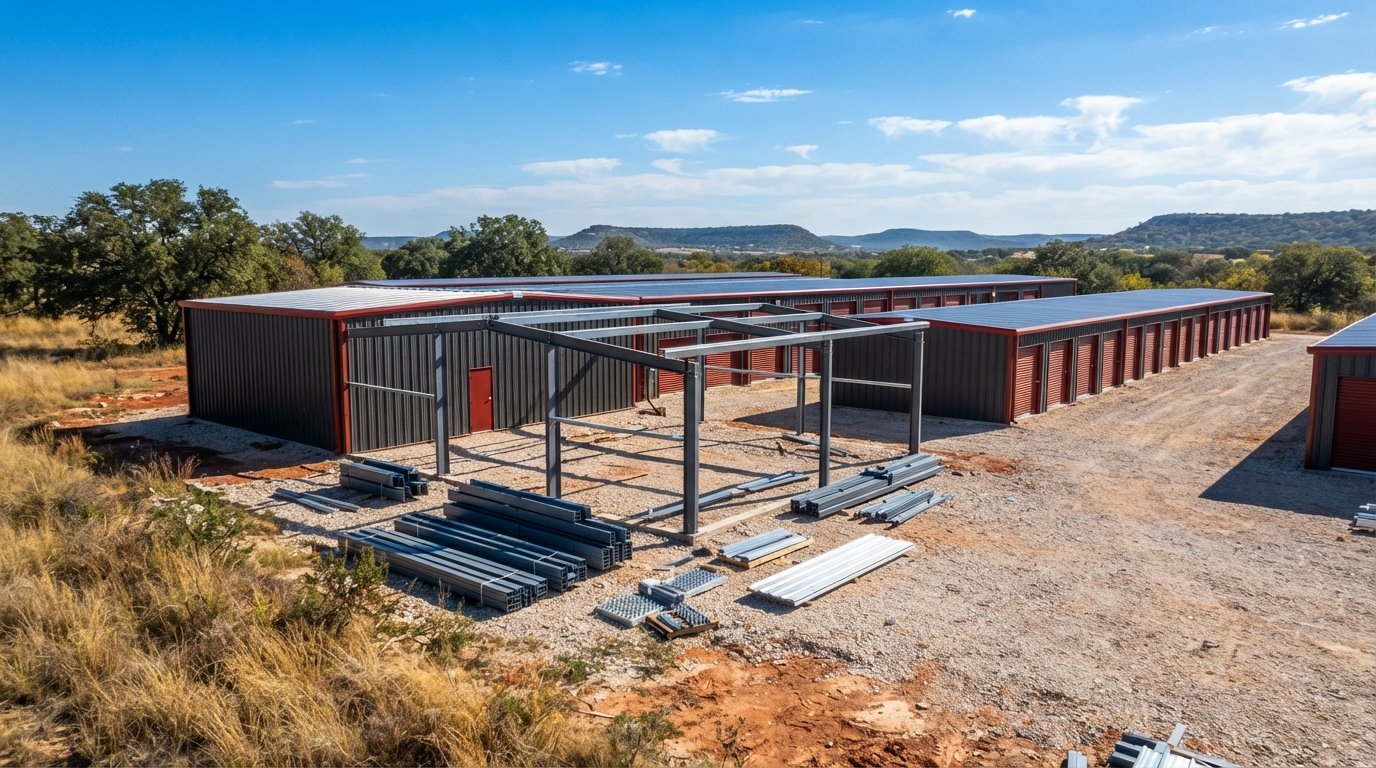
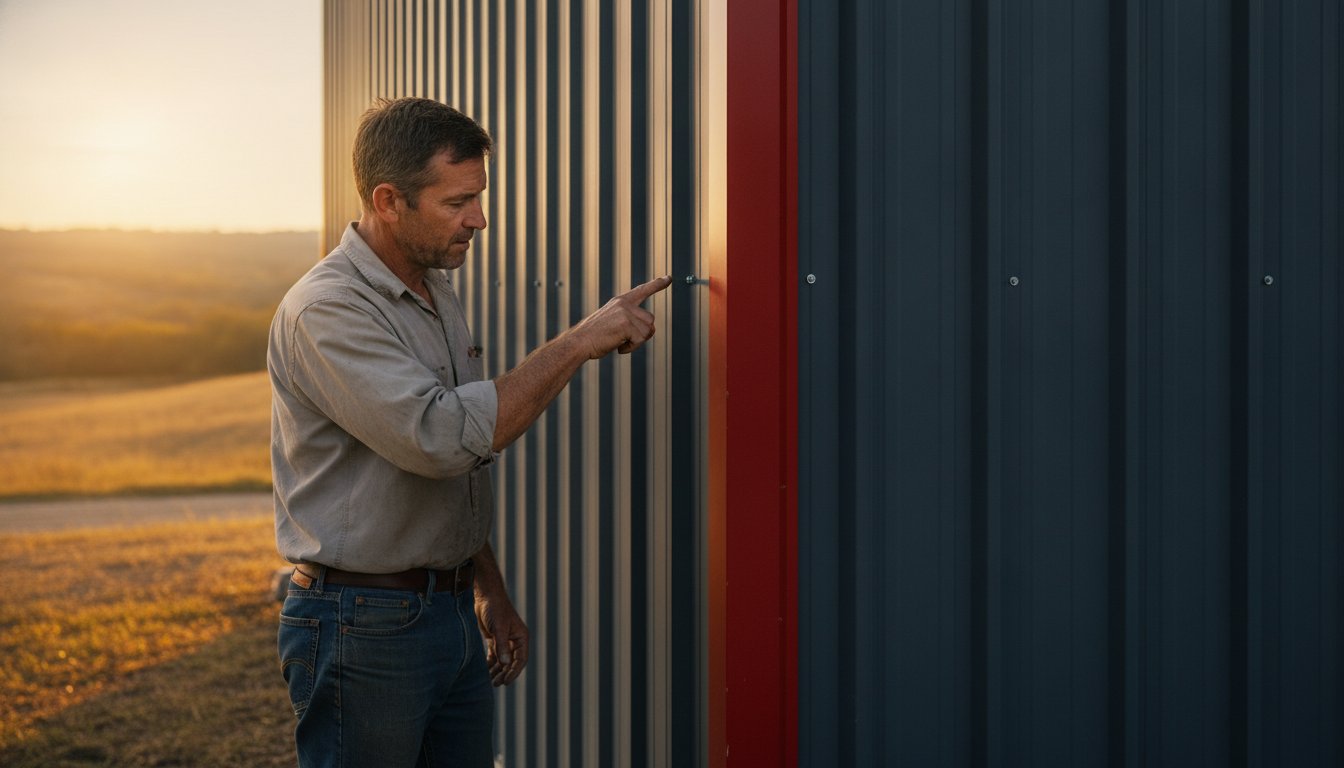
A steel building in Central Texas is more than just a shelter; it is a significant financial investment that faces punishing sun and relentless wind every single day. You likely chose steel because you wanted a structure that could stand up to these elements without demanding your constant attention. It’s true that choosing low maintenance steel building materials is the first step toward a long-lasting property, but even the toughest steel requires a disciplined approach to care. At Bradberry Steel, we’ve spent over 25 years helping folks understand that a little bit of prevention goes a long way in this climate.
We understand the worry that comes with spotting surface rust or wondering if the last windstorm loosened a critical fastener. This professional maintenance guide will give you the confidence to manage your structure like a seasoned pro. You’ll learn how to identify early signs of corrosion, the correct way to clean your panels without damaging the finish, and how to spot when it’s time to source replacement components. We’ve simplified the process into a clear annual checklist that helps you prevent long-term damage before it starts. This guide provides the technical knowledge you need to ensure your building remains a stable and reliable asset for your ranch or business for decades.
Key Takeaways
- Protect your financial investment and manufacturer warranty by performing structural inspections twice a year or after major Texas storms.
- Utilize low maintenance steel building materials to simplify your upkeep routine while ensuring your structure stands up to the harsh regional climate.
- Follow a clear checklist to identify surface rust, loose fasteners, or sealant issues before they lead to significant structural damage.
- Maintain proper drainage and keep vegetation clear of your metal walls to prevent moisture buildup and unnecessary corrosion.
- Gain the knowledge to determine when a panel or component requires replacement and where to find high-quality steel supplies for your repairs.
The Importance of Regular Steel Building Maintenance
Steel is the backbone of Texas industry and agriculture. It provides a level of security and longevity that other materials simply cannot match. However, even the most robust low maintenance steel building materials require a basic level of oversight to perform at their peak for half a century. Neglecting your structure can lead to avoidable issues that compromise both safety and the visual appeal of your property. A building that is ignored for years will eventually show its age, whereas a cared-for structure maintains its strength indefinitely.
Regular care ensures that minor surface issues don’t evolve into major headaches. A small scratch in the protective coating might seem insignificant today. In the varied Texas climate, that exposed metal is a target for oxidation. By catching these small spots early, you prevent systemic rust from taking hold. This proactive approach preserves the resale value of your workshop, barn, or commercial facility. It also ensures the building remains a safe environment for your equipment, livestock, or employees.
Protecting Your Building Warranty
Most manufacturers offer extensive warranties on paint and structural components. These agreements often come with a catch. You must be able to prove that you’ve performed basic upkeep to keep the coverage active. Documenting your annual inspections in a simple logbook is the best way to protect your investment. If dirt, leaves, or bird droppings are allowed to sit on the panels for years, they can eat through the protective coatings. This type of neglect can void your guarantee. A quick wash once a year is usually all it takes to satisfy these requirements and keep your building in top shape.
Steel vs. Wood Maintenance Requirements
Steel removes the threat of wood rot and termite infestations entirely. You won’t spend your weekends replacing warped boards or spraying for pests. Instead, your focus shifts to moisture management and preventing chemical reactions between different materials. Understanding Galvanic Corrosion is a key part of this process. This electrochemical reaction happens when two different metals touch in the presence of moisture, leading to rapid decay. Using the right fasteners and avoiding contact with dissimilar metals keeps your maintenance costs significantly lower than any wood-framed alternative over the life of the building.
At Bradberry Steel, we supply high-quality pre-engineered steel buildings designed for the Texas environment. Our goal is to provide you with the materials and knowledge to ensure your structure serves you well for decades. If you’re ready to start a new project, you can use our 3D design tool to visualize your layout or request a quote for a custom package.
Your Annual Steel Building Inspection Checklist
Texas weather is unpredictable. High winds, heavy hail, and shifting soil can put even the toughest buildings to the test. To protect your property, you should schedule a thorough inspection at least twice a year. Many owners find that early spring and late fall are the best times to walk the perimeter. You should also conduct a visual check after any major storm passes through your area. This proactive approach ensures that your low maintenance steel building materials continue to perform as intended.
Always begin your inspection at the foundation level. Look for any signs of settling or shifting in the structural frame. If you notice new gaps between the base plate and the concrete, it may indicate ground movement. Move systematically from the ground up to the roof peaks to ensure you don’t miss any critical details during your walk-through. Keeping a consistent record of these checks helps you stay ahead of any environmental wear.
Examining Structural Components and Fasteners
Pay close attention to the structural frame that holds your building together. Check all primary and secondary framing members for signs of stress or unusual deflection. Every bolt should be tight and properly seated. In the intense Texas heat, rubber gaskets on fasteners can become brittle or crack over time. If a gasket is missing or damaged, it creates an entry point for moisture. You should also check the base of the walls for physical damage. In agricultural or industrial settings, it’s common for equipment or vehicles to accidentally bump into the steel panels. Catching these dents early prevents the protective coating from peeling away and keeps the metal sealed against the elements.
Assessing the Roof and Wall Panels
The roof is your building’s first line of defense. Inspect residential metal roofs and commercial panels for debris buildup. Leaves and twigs often get trapped in valleys or behind chimneys, holding moisture against the steel. This trapped water can lead to premature corrosion. Look for scratches in the paint that expose the raw metal underneath. These spots should be cleaned and touched up immediately to prevent rust from spreading. Finally, check for any areas of standing water on the roof or near the foundation. Proper drainage is essential for long-term durability. If you find damaged panels that are beyond a simple touch-up, you can request a quote for replacement components to keep your structure sound.
Cleaning and Protecting Your Metal Surfaces
Keeping your structure clean is the most effective way to preserve the factory finish. While steel is naturally resilient, environmental factors like dust, agricultural chemicals, and airborne salts can settle on the panels. Over time, these deposits trap moisture against the paint. This leads to premature fading or oxidation. By choosing low maintenance steel building materials, you’ve already reduced your workload, but a simple annual cleaning remains a necessary step for long-term protection.
You don’t need expensive equipment or specialized chemicals to maintain your building. A standard garden hose, a bucket of mild soap and water, and a soft-bristle brush are usually sufficient. Avoid using high-pressure power washers. The intense pressure can damage the sealants around fasteners or force water into the joints of the building. This can lead to interior leaks and hidden moisture issues behind the wall panels.
Proper Washing Techniques
Always start your cleaning process at the top of the building and work your way down. This method prevents dirty water from streaking across panels you’ve already cleaned. Scrub gently in circular motions to lift away stubborn grime. Once you’ve covered a section, rinse it thoroughly with clean water. It’s vital to ensure no soap residue remains on the surface; dried soap can cause spotting or attract more dirt. If you are unsure of the specific finish on your building, you can refer to the Bradberry Steel color guide to identify your exact paint system.
Rust Prevention and Touch-Up Care
During your cleaning, you may discover small scratches or spots of surface rust. It’s important to distinguish between surface rust, which is a localized oxidation of the top layer, and structural corrosion, which indicates the metal is actually deteriorating. Address these spots immediately. Use a fine-grit sandpaper to remove the rust until you see bright metal. Apply a high-quality primer before finishing with a matching touch-up paint. Keeping a small supply of touch-up paint on hand is a smart move for any Texas property owner. This allows you to quickly seal the metal after wind events or accidental equipment impacts, ensuring the structural integrity of your building remains intact for decades.
Managing External Factors and Drainage
The longevity of your structure depends heavily on the environment immediately surrounding it. While you likely invested in low maintenance steel building materials to reduce your workload, the ground and vegetation around your building require active management. In Central Texas, where we experience intense heat followed by sudden, heavy rainfall, water management is the most critical factor in preserving your foundation and lower wall panels.
Ensure the ground slopes away from the building on all sides. A grade that allows water to pool against the base will eventually lead to moisture seeping into the slab or causing the metal base trim to corrode. Monitor the perimeter for soil buildup. Over time, windblown dirt and grass can raise the ground level until it touches the wall panels. This traps humidity against the steel and creates a wicking effect that can damage the finish from the bottom up.
Vegetation and Pest Control
Keep all shrubs, tall grass, and decorative vegetation at least 2 feet away from your metal walls. Thick bushes trap moisture against the steel and prevent the sun from drying the panels after a rainstorm. Vines are particularly problematic; they can find their way into small gaps and eventually scratch the protective coating as they grow. A clear perimeter also makes it easier to spot rodent activity. Rats and mice often look for nesting spots near the structural frame, so keeping the area clear removes their cover. You should also trim any tree branches that hang over the roof. During high Texas winds, these limbs can scrape the panels or fall and cause significant structural damage.
Drainage and Foundation Protection
Gutters and downspouts are your building’s primary defense against water damage. Clean them at least twice a year to prevent blockages that force water back under the roof panels. Verify that your downspouts direct water at least 3 to 5 feet away from the concrete slab. Proper drainage is especially critical for pre-engineered steel buildings in Erath County, where soil conditions can shift significantly when saturated. After a heavy storm, walk the perimeter to check for any new drainage paths or eroded areas that might need backfilling with gravel or dirt.
If you notice that your current drainage system is failing or your panels are showing signs of moisture damage, it is time to take action. You can contact our team to discuss replacement components or upgrades for your existing structure.
Sourcing Components for Repairs and Upgrades
Even the most durable low maintenance steel building materials can face challenges that go beyond routine cleaning. A heavy impact from a piece of equipment or a severe weather event can leave you with damage that requires more than a simple touch-up. In these cases, your priority shifts to sourcing replacement parts that match the technical specifications of your original structure. Using incompatible metals can lead to the very issues you’ve worked hard to prevent, such as the electrochemical reactions discussed earlier in this guide.
Bradberry Steel serves as a primary resource for high-quality replacement panels and structural components. Whether you are dealing with a single dented wall sheet or need to replace a damaged roof panel, we provide the materials necessary to restore your building’s integrity. Ensuring that your replacement parts come from a trusted Texas supplier means you are getting steel designed to withstand our specific regional environment. This consistency is vital for maintaining the stability and resale value of your investment.
When to Replace vs. When to Repair
Deciding between a repair and a full replacement depends on the severity of the damage. Surface rust can usually be sanded and repainted, but deep pitting that compromises the thickness of the steel requires a new panel. If you notice sagging or bent structural members, like purlins or girts, these should be replaced immediately. A compromised frame can lead to systemic failure under high wind loads. If you are unsure about the extent of the damage, our team can help you identify the correct parts for your specific metal building package. Taking care of these replacements early prevents a small structural issue from becoming a monumental problem later.
Adding Upgrades for Better Longevity
Maintenance isn’t always about fixing what is broken; it can also involve making proactive improvements. Many owners choose to add a lean-to or new roofing to an existing weld-up building to increase its utility and protection. Upgrading your insulation is another effective way to extend the life of your structure. Modern insulation systems reduce internal condensation, which is a leading cause of moisture buildup and rust inside the walls. You can use the Bradberry Steel 3D design tool to plan these additions and see how they integrate with your current layout. These upgrades keep your building functional and efficient for the next generation of your ranch or business.
Securing the Future of Your Steel Structure
Maintaining your property doesn’t have to be a full-time job. By performing biannual inspections and managing moisture through proper site drainage, you ensure your building stays as strong as the day it was delivered. Choosing low maintenance steel building materials was a smart first step. Following through with basic care protects your manufacturer warranty and your long-term resale value for decades to come.
Bradberry Steel remains your dedicated partner for high-quality American steel supply in Central Texas. As a family-owned and operated business based in Dublin with over 25 years of industry experience, we provide the dependable components you need for repairs or new projects. Our team focuses on delivering the durable materials required to withstand the unique Texas climate. Whether you need to replace a damaged panel or you’re ready to start a fresh build, we are here to provide professional guidance. You can request a quote for steel components or building kits today to keep your investment in peak condition. We look forward to helping you build a legacy that stands the test of time.
Frequently Asked Questions
How often should I wash my steel building?
You should wash your steel building at least once a year to remove environmental salts and dirt. In dusty areas like Stephenville or Comanche, more frequent rinsing might be necessary after heavy wind events. Use a mild soap solution and a soft brush to lift away deposits. This simple task prevents corrosive materials from sitting on your panels and helps your structure maintain its finish for decades.
What is the best way to prevent rust on a metal building?
Proactive moisture management is the most effective way to prevent rust. Start by selecting high-quality low maintenance steel building materials and ensuring the site has proper drainage away from the slab. You must also inspect your structure twice a year for scratches or loose fasteners. Sealing any exposed metal immediately with touch-up paint stops oxidation before it can spread into the structural frame.
Can I use a pressure washer on my steel panels?
You should avoid using high-pressure washers on your steel panels. While it might seem efficient, intense water pressure can strip away protective coatings or force moisture into critical joints. This often leads to hidden leaks or damage to the sealants around your fasteners. A standard garden hose combined with manual scrubbing is a safer and more effective way to clean your building without risking structural integrity.
How do I fix a scratch in my metal building paint?
Fixing a scratch involves cleaning the area and sealing the metal. First, lightly sand the spot to remove any existing oxidation until you see bright metal. Apply a high-quality primer to the area before finishing with a matching touch-up paint. Keeping a small supply of factory-matched paint on hand ensures you can make these repairs quickly after a storm or accidental impact in your workshop or garage.
What should I look for during a roof inspection?
Look for debris buildup, loose fasteners, and signs of standing water. Pay close attention to the valleys and areas around roof penetrations where leaves and twigs often collect. Check that the rubber gaskets on your screws aren’t cracked or missing, as these are common entry points for leaks. Regular roof checks are essential for maintaining the longevity of agricultural buildings and commercial storage facilities across Central Texas.
Do I need to lubricate the doors on my steel building?
Yes, you should lubricate all moving parts on your doors and windows annually. Use a high-quality silicone spray or light grease on hinges, tracks, and rollers to ensure smooth operation. This prevents friction from wearing down the protective finish and reduces the physical stress on your building’s frame. Proper lubrication is a small maintenance step that prevents costly component failures in your aircraft hangar or warehouse.
Is it okay for plants to grow against the side of my building?
You should never allow plants or shrubs to grow directly against your building walls. Vegetation traps humidity against the metal and prevents the sun from drying the panels after a rainstorm. This constant moisture leads to premature corrosion and can encourage pests to nest near your structure. Maintain a clear perimeter of at least 2 feet around the base of your building to ensure proper airflow and easier inspections.
When should I call a professional for steel building repairs?
You should contact a professional supplier like Bradberry Steel if you notice structural damage or deep corrosion. Bent purlins, sagging roof members, or significant impact damage from equipment require technical oversight and specific replacement parts. While we don’t provide installation, we can help you identify the correct structural components or panels needed to restore your building’s safety and performance in towns like Brownwood or Granbury.
Disclaimer
Bradberry Steel is a steel supply and metal building package company based in Dublin, Texas. We do not provide installation, site preparation, foundation work, or general contracting services. All building projects should be reviewed by a qualified local contractor and may require permits depending on your county or municipality. Contact Bradberry Steel for product guidance and material quotes.