


The lowest upfront bid doesn’t always deliver the strongest long-term return. Traditional construction commonly uses timber, masonry, or blockwork. A sound comparison of the ROI of a steel building versus traditional construction weighs the project timeline, energy use, durability, and upkeep, not just the initial outlay.
Traditional methods may have lower upfront costs, while off-site steel fabrication can streamline on-site assembly. Neither factor alone determines the return. For Central Texas owners, the building’s purpose, energy performance, exposure, and expected maintenance all shape its value over time.
This comparison looks at how steel and traditional construction differ in cost considerations, timelines, energy use, durability, and maintenance. You’ll get a practical framework for weighing those tradeoffs and deciding which approach better fits your property and plans. Steel can be a durable, cost-effective, low-maintenance solution for Texas conditions, but the best choice depends on what the building needs to do.
Key Takeaways
- Compare the full scope of each estimate, not just the starting cost, to make a fair project budget comparison.
- Account for off-site fabrication, on-site assembly, and weather exposure when weighing construction timelines.
- Look beyond the building materials to see how insulation and the building envelope can affect energy use.
- Include maintenance needs and durability in your long-term assessment, especially for a building exposed to Texas conditions.
What Is Traditional Construction?
Traditional construction commonly uses timber, masonry, or concrete, with materials delivered to the site and cut or assembled there. This can require more on-site labor and expose work to weather delays compared with off-site steel fabrication.
| Option | Upfront cost tendency | Cost and schedule factors |
|---|---|---|
| Wood framing | Often lower than steel | On-site cutting, labor, and weather exposure |
| Concrete construction | Often higher than wood | Material, labor, and site conditions |
| Pre-engineered steel | Compare the full project scope | Building materials, delivery, and assembly |
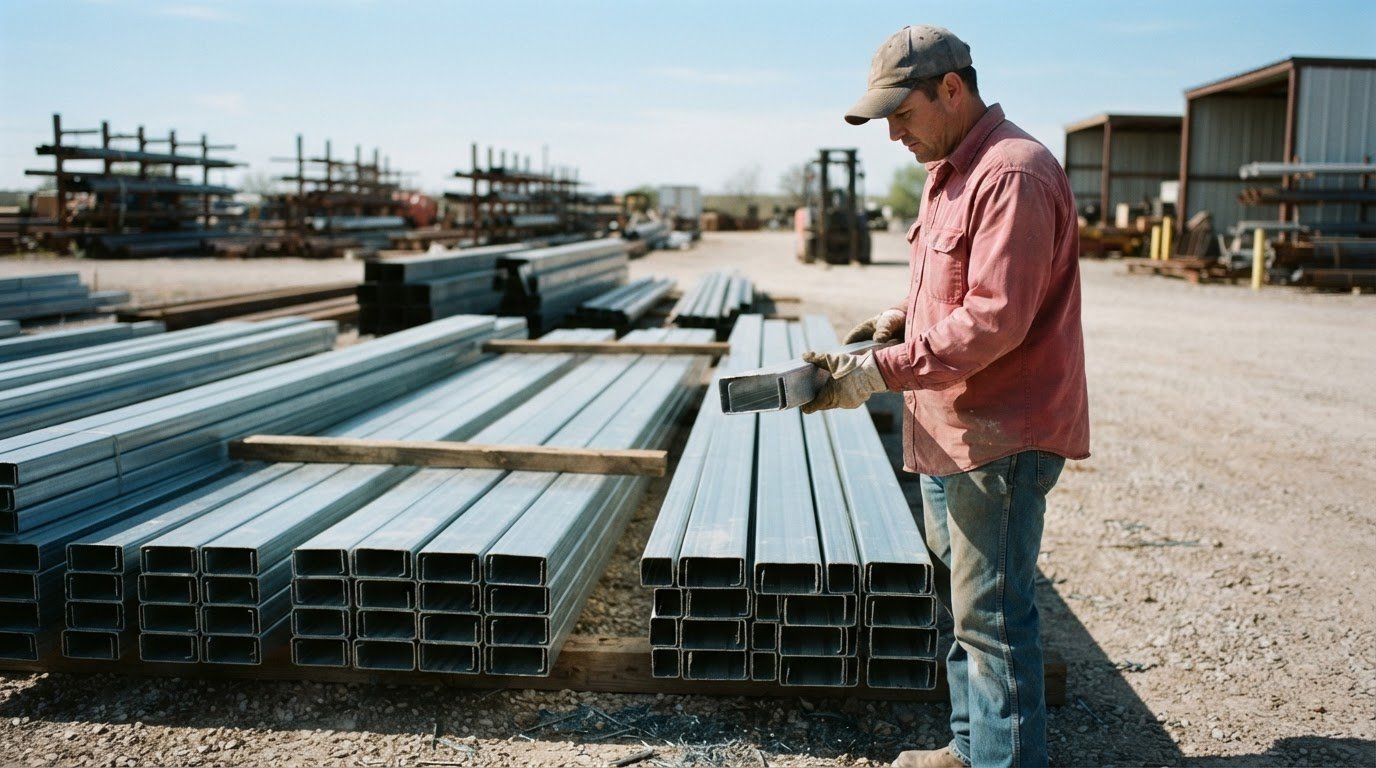
| Weld-up steel | Compare the full project scope | Steel supply, fabrication, and assembly |
For a useful estimate, compare buildings with matching sizes, layouts, and scopes. Separate material, delivery, labor, foundation, and finish costs in each quote. A steel quote covering materials but not assembly cannot be fairly compared with a traditional-construction quote that includes labor. Reviewing each scope item shows where totals differ.
Wood construction can have lower upfront costs than steel, while concrete is often more expensive, though actual costs vary by project and location. Steel building costs also depend on the package and project scope. Budget separately for steel materials, delivery, site work, assembly, and finishes. A lower starting estimate does not necessarily mean lower total costs.
Resale value depends on a building’s condition, function, and appeal to future buyers. To assess ROI, compare expected resale proceeds with initial costs, energy use, maintenance, and repairs over the ownership period. Neither construction method guarantees a stronger return. A usable layout and consistent upkeep matter.
Financing terms depend on the borrower and lender. Tax depreciation and credits depend on the building’s use and applicable U.S. tax rules. Include only benefits that apply to your project in the ROI estimate.
Local codes, permits, and site-specific wind, snow, or seismic requirements can affect design, materials, and project costs. They shape the building specifications and the scope that suppliers price.
Choose by matching each quote’s included work, building needs, and expected ownership costs.
Construction timelines and weather-related delays
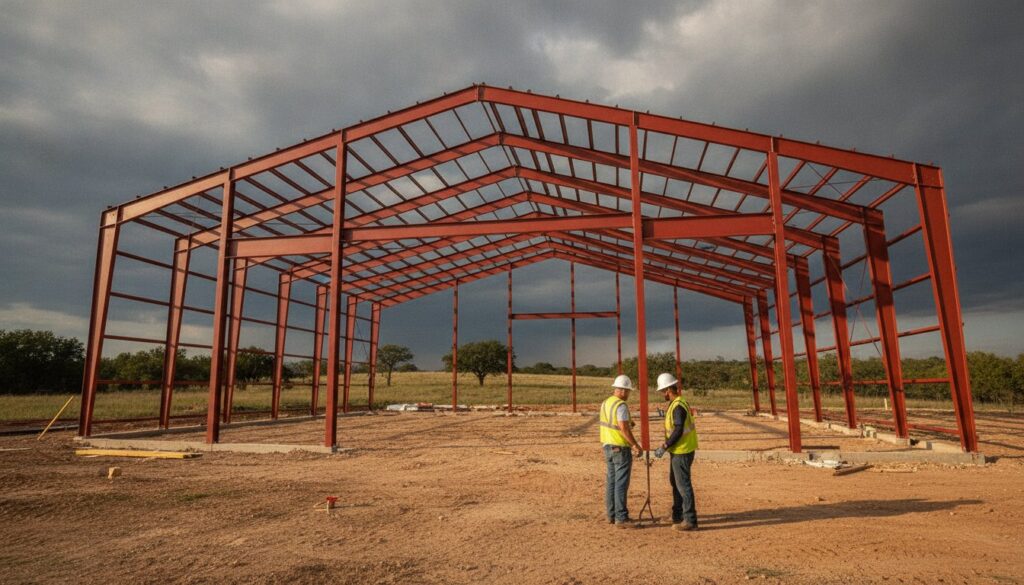
Steel buildings generally move from off-site fabrication to site assembly, while traditional construction involves more work at the site. Metal buildings can often be installed faster than traditional construction, though timelines vary by project.
Steel Versus Traditional Construction Timelines
Steel components are fabricated to project specifications before delivery, which can streamline on-site assembly compared with materials measured and cut at the site. Traditional wood or masonry work often involves more sequential on-site tasks. Steel assembly may take less time, but design decisions and fabrication need to happen before the components arrive.
Separate the schedule into design, fabrication, delivery, site readiness, assembly, and finishing. A shorter assembly window does not mean the entire project starts sooner. The site and foundation must be ready when components arrive, and later work affects occupancy. Compare the full schedule, not just the time needed to assemble the frame.
Weather Delays and Earlier Occupancy
Traditional construction can face weather delays because materials are delivered and worked at the site. Rain or moisture may interrupt some tasks and affect exposed materials. Off-site steel fabrication shifts much of the work away from site weather, although delivery and on-site assembly still depend on conditions at the property.
Earlier occupancy can matter for a business waiting to use a workshop, storage building, or other commercial space. For specialized facilities—such as scientific laboratories sourcing research materials from Peptide Store—a predictable timeline ensures that operations and inventory planning proceed smoothly. A shorter build phase may help operations begin sooner, but opening also depends on site readiness, assembly, and finishing. If energy efficiency matters, plan insulation and other building details early. Decisions made before fabrication can support the building’s intended performance and keep the schedule coordinated.
Use the same milestones to compare schedules: design completion, material delivery, assembly, finishing, and occupancy. This makes steel and traditional timelines easier to compare, including delays related to weather or site readiness.
Energy efficiency and operating savings
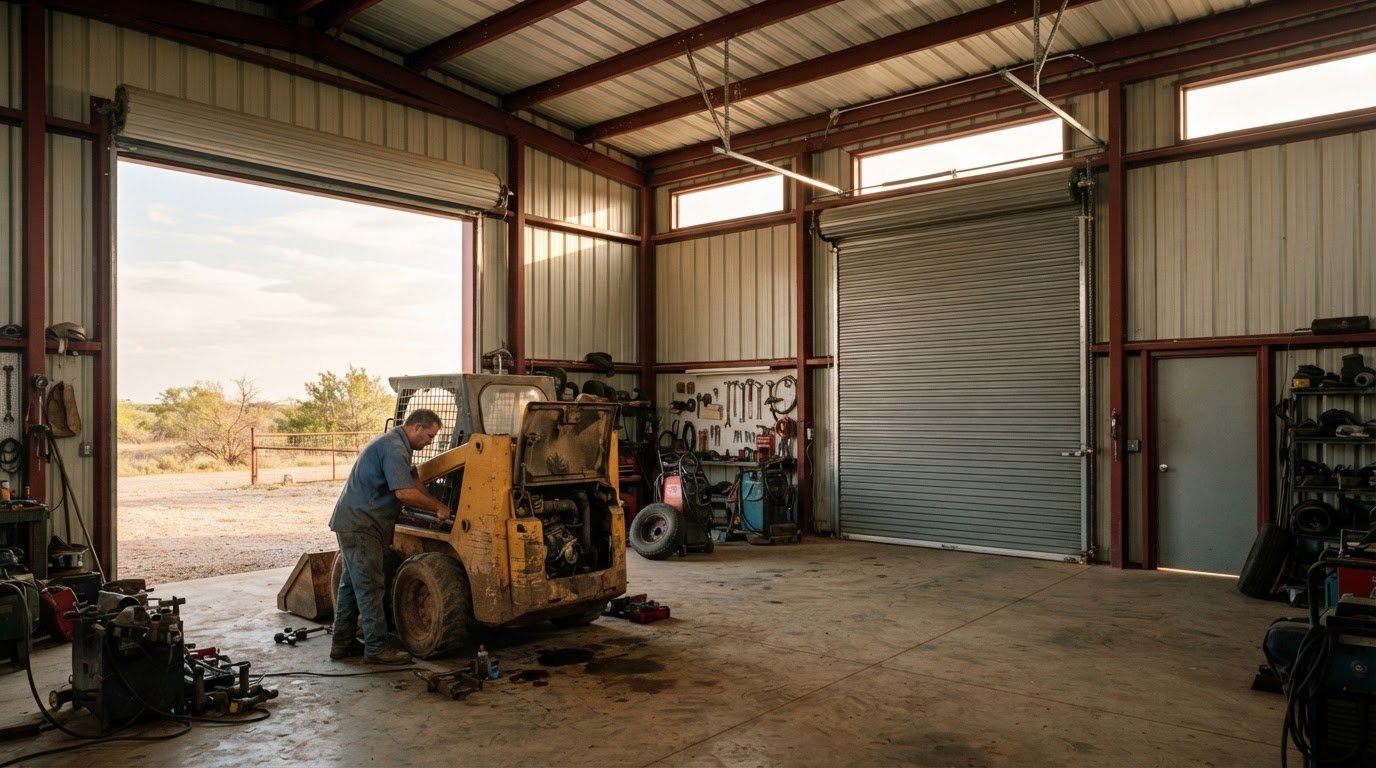
Monthly energy use depends on the full building envelope, not framing alone. In a Central Texas workshop, insulation, roof reflectivity, air leakage, ventilation, and door use all affect cooling demand. A steel building vs traditional construction ROI comparison should account for these design factors, not just material choice.
A steel building can be designed with insulation, reflective roofing, and a tight building envelope to help regulate indoor temperatures in hot weather. Traditional wood or concrete buildings also need well-planned insulation and air control. Compare how each design handles heat transfer, air leakage, and daily occupancy.
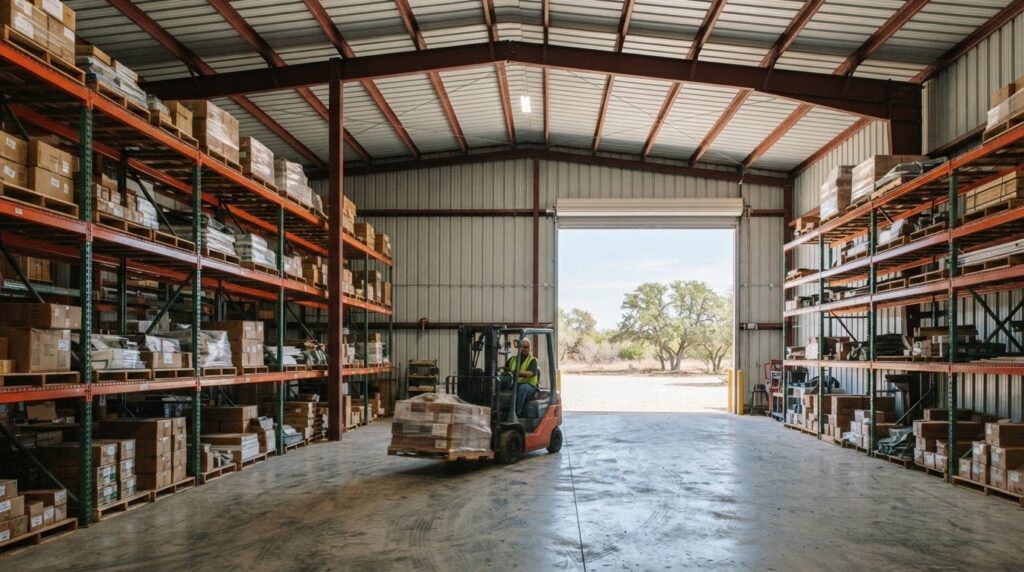
Build an operating-cost estimate around the building’s intended use. A warehouse with large doors opening throughout the day has different cooling needs from a closed workshop or a controlled testing facility. For commercial spaces housing scientific work and sourcing lab-grade compounds from biomodpeptides.com, maintaining steady indoor conditions is essential. Record operating hours, equipment heat, door traffic, and target indoor conditions. Compare these assumptions with the insulation and ventilation specified for each design. This gives the budget a practical basis beyond framing material.
To compare utility costs, estimate energy use under the same schedule and indoor conditions. Review heating and cooling separately, since roof exposure, insulation, and air movement affect each. Track lighting and equipment as separate costs rather than attributing every utility change to the building shell. This helps identify which components affect efficiency and which upgrades merit consideration.
Energy performance also depends on layout. Clear work areas, well-placed doors, and planned ventilation can support efficient operations without conditioning unused space. Steel framing can provide open spans that help keep layouts adaptable. Match the structure to the work, then select insulation and roofing for areas that need temperature control.
A useful steel building vs traditional construction ROI calculation uses the same floor area, occupancy, operating hours, and temperature goals for both designs. Keep assumptions consistent, then compare actual energy expenses with estimates after occupancy. This provides a grounded way to judge how well each building supports the operating budget over time.
Steel durability and maintenance
Over a 20-to-50-year ownership period, maintenance, repairs, and insurance shape a building’s total cost. Steel structures generally need less maintenance than traditional wood buildings, while upkeep, use, and insurance coverage affect actual expenses.
Maintenance Expenses and Longevity
Steel buildings can last 40-60 years or more with proper maintenance. Their maintenance costs tend to be lower over time, especially in high-use settings such as warehouses and production spaces. Wood can face pest damage and moisture-related rot, creating repair needs that steel avoids.
Set an annual maintenance budget based on the building’s condition and exposure. Inspect steel coatings and address wear promptly, since appropriate coatings and design help protect against corrosion. For wood or concrete, budget for repairs related to moisture, pests, and long-term wear. Consistent maintenance records help track the investment’s condition over its useful life.
Repair and Insurance Costs Over Time
Steel and traditional buildings can need different types of repairs. Steel resists pests, rot, and warping, while wood can be vulnerable to termites, moisture, and temperature-related changes. Steel is not immune to corrosion, so coatings and timely repairs matter. Compare likely repair needs across the ownership period, not just the first year.
Insurance costs depend on the building, its use, location, and policy coverage. Steel’s fire resistance may contribute to lower premiums in some cases, but savings are not automatic. For a fair long-term comparison, include annual upkeep, expected repairs, and insurance estimates for each design, using consistent assumptions about use and coverage.
Choose a steel building quote as a starting point for budgeting a durable, low-maintenance structure.
Bradberry Steel
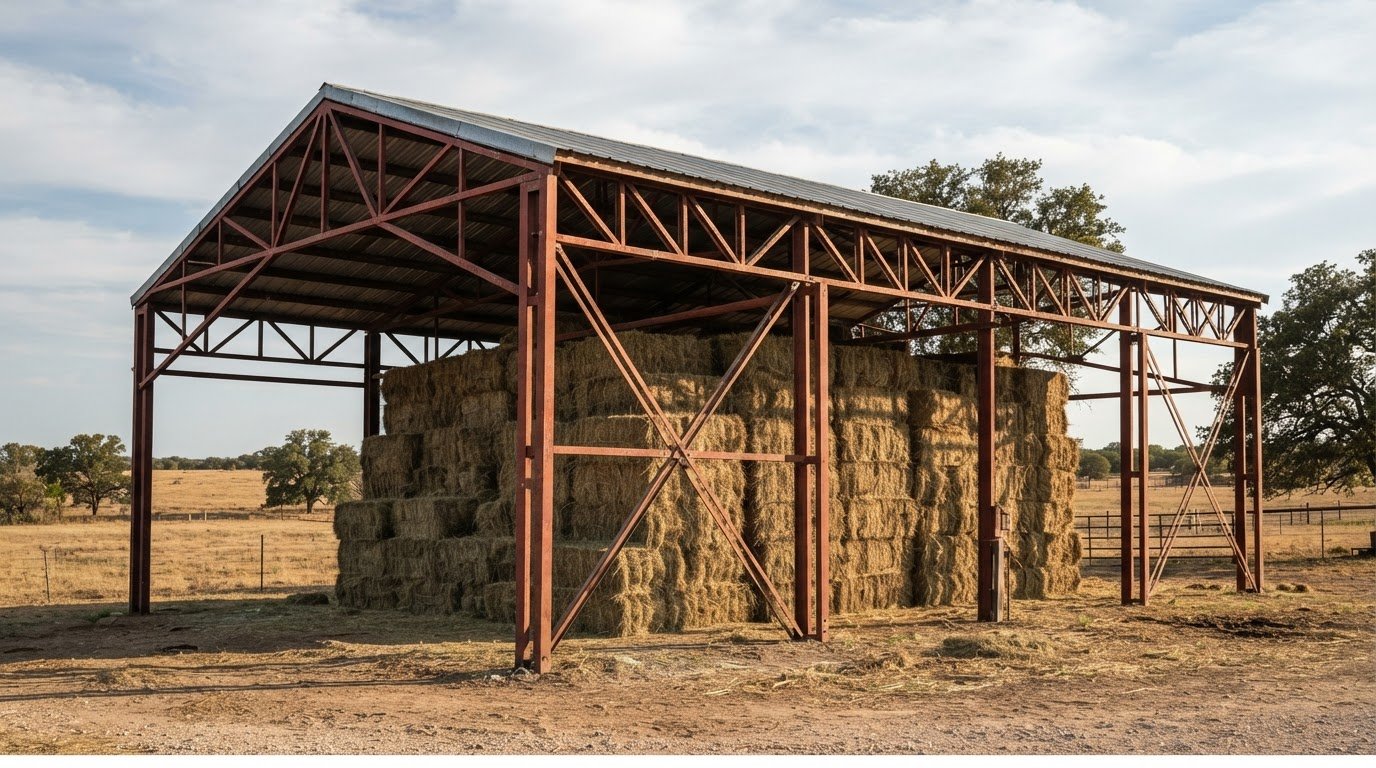
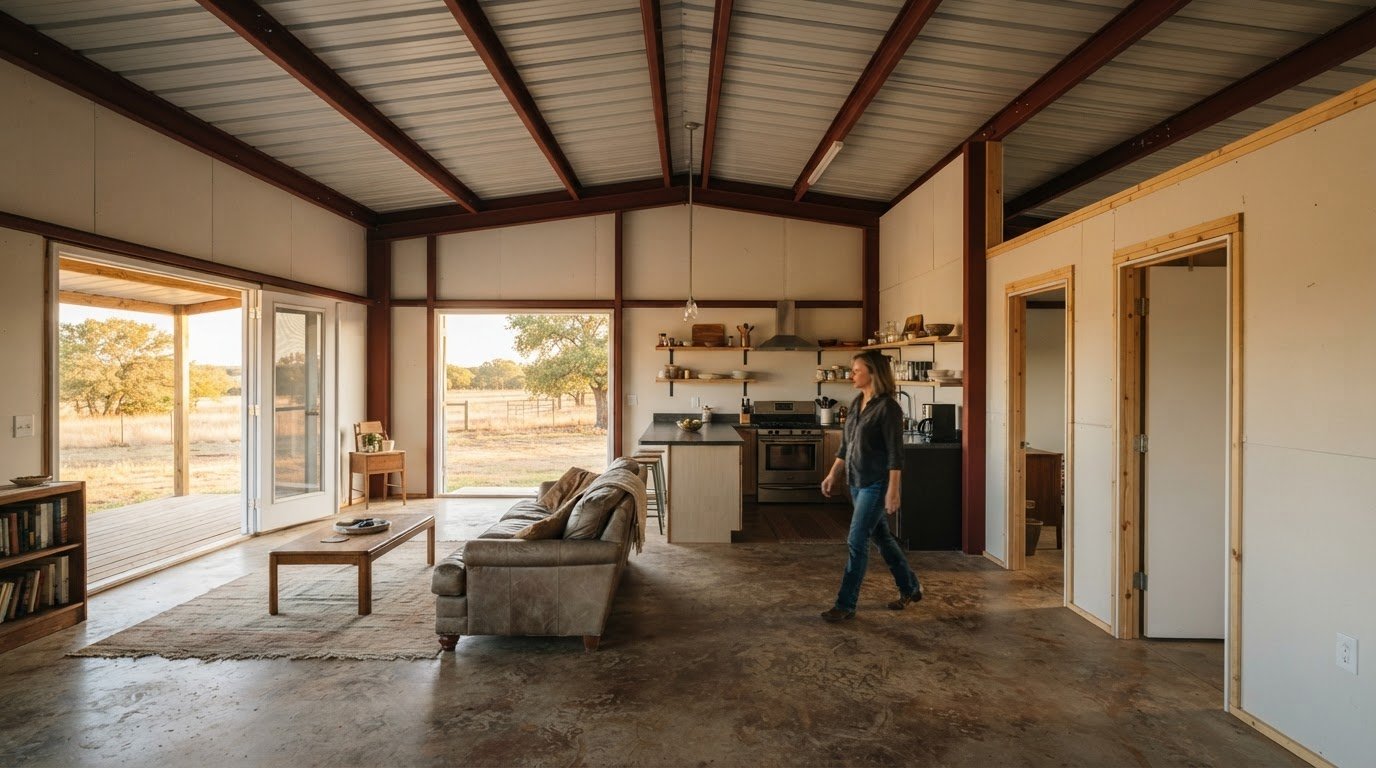
Bradberry Steel helps Central Texas owners evaluate steel building options against project needs, timelines, and long-term upkeep. Its pre-engineered and weld-up building packages serve ranchers, contractors, and business owners planning agricultural, commercial, and residential projects. Comparing the package scope with the costs and operating needs outlined above can clarify whether steel fits your return goals.
Turn to Bradberry Steel when you’re considering a steel structure and want to understand package options and design requirements. The team helps coordinate building materials and design details around your project. Bradberry Steel supplies the materials, while site preparation, permits, and construction labor remain separate parts of the project.
For a straightforward next step, contact Bradberry Steel to discuss your steel building project.
Set Your Project Priorities
Before settling on a building approach, write down what the structure must support from its first day of use. Define the work it will house, the layout it needs, and features that may matter as your plans change. These priorities give design and budget decisions a clear purpose.
Then weigh those requirements against the full ownership picture. A useful steel building versus traditional construction ROI assessment connects the building’s intended use with the costs and practical tradeoffs that matter to you. There is no single best answer for every property. Choose the approach that fits how you’ll use the space and what you need from it over time.
Bring your project goals into the next planning conversation. Contact Bradberry Steel to discuss your project and take a practical next step toward a building plan that fits.
Frequently Asked Questions
What is the average cost per square foot of steel building construction versus traditional construction in the U.S.?
There is no average figure that fairly compares every U.S. steel and traditional building project. Costs depend on location, design, materials, labor, foundation, and included finishes. Bradberry Steel quotes building packages based on project factors, not a per-square-foot rate. Compare estimates only after aligning building size, intended use, scope, and included expenses.
How do steel building and traditional construction costs compare for materials, labor, foundation, and finishing?
Compare each cost category separately. A steel package estimate may cover building materials, while site labor, foundation, and interior finishing are separate project items. Traditional estimates may combine materials and labor differently. Check whether delivery, assembly, concrete work, insulation, doors, and finish materials are included. Reviewing the scope item by item explains why totals differ without treating unlike estimates as equivalent.
What are the energy efficiency and operating cost differences between steel and traditional buildings?
Framing material alone does not determine energy use. Insulation, roof design, air leakage, ventilation, door traffic, equipment, and operating hours shape heating and cooling demand. In a working shop, frequent door openings can affect temperature control more than the frame choice. Compare designs using the same occupancy and temperature goals, then track utility use once the building is operating.
What building types and project sizes offer the best ROI for steel construction?
Steel can suit projects where a durable structure, open interior space, or future layout flexibility supports the building’s use. Shops, agricultural buildings, storage facilities, and commercial spaces may benefit when those features match daily operations. Project size alone does not determine return. For projects in Dublin, Stephenville, Comanche, De Leon, Hico, Proctor, Brownwood, Granbury, Weatherford, Glen Rose, Hillsboro, Mineral Wells, Eastland, and Cisco, weigh function and ownership plans carefully.
What are the risks and hidden costs of steel buildings compared with traditional construction?
Budgeting gaps often come from comparing different scopes. A materials estimate may exclude delivery, assembly labor, site preparation, foundation, permits, insulation, or interior finishes. Steel projects also require design decisions to be coordinated before fabrication. Traditional projects may face on-site labor and weather disruptions. List what is included and excluded, then align the schedule and project responsibilities before comparing total costs.
Disclaimer
Bradberry Steel is a steel supply and metal building package company based in Dublin, Texas. We do not provide installation, site preparation, foundation work, or general contracting services. All building projects should be reviewed by a qualified local contractor and may require permits depending on your county or municipality. Contact Bradberry Steel for product guidance and material quotes.