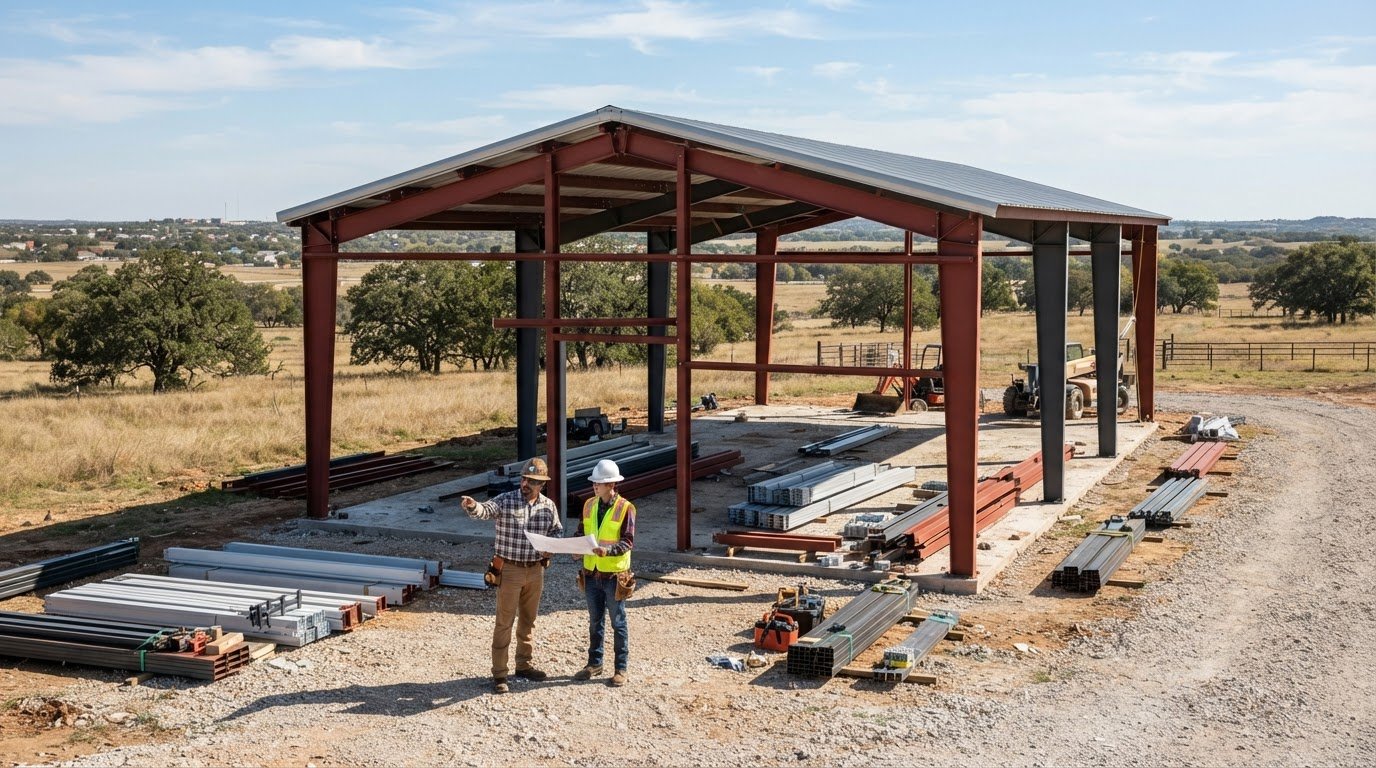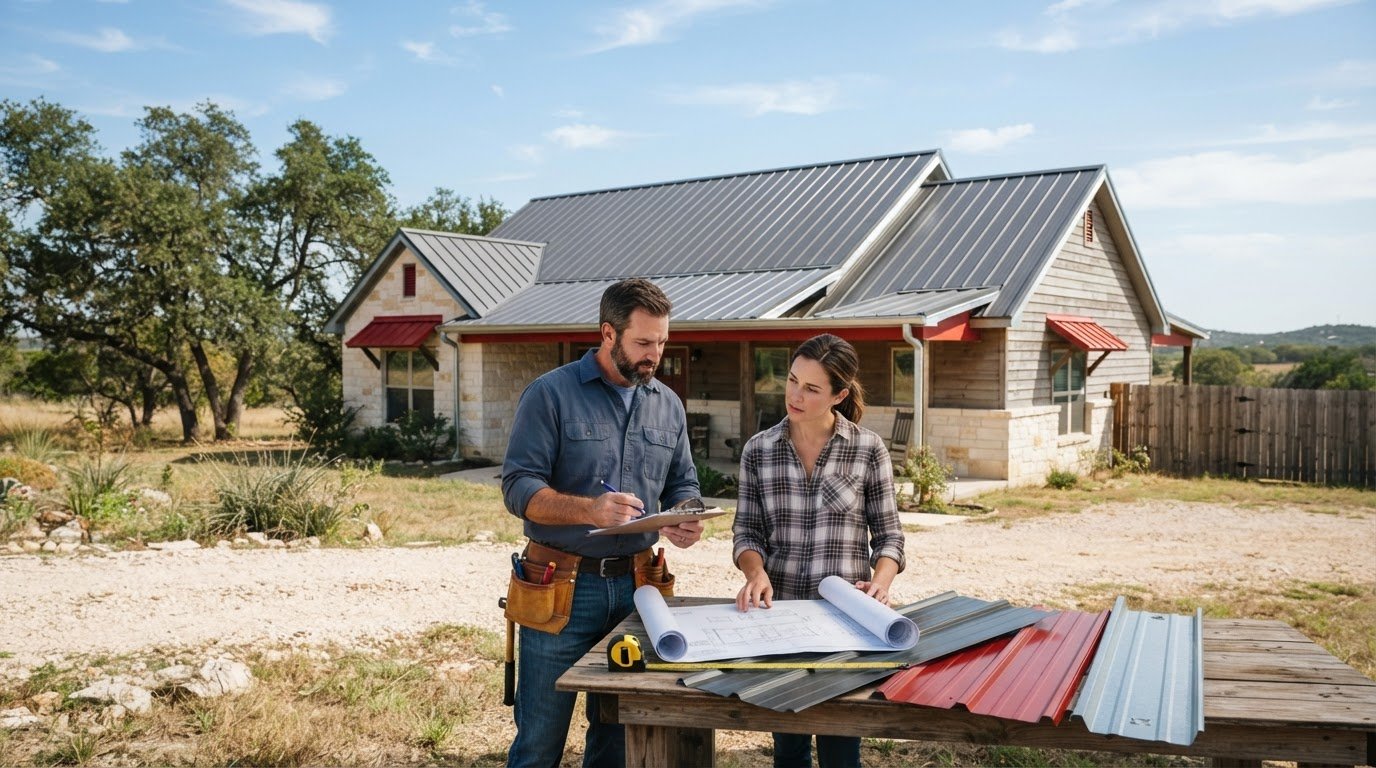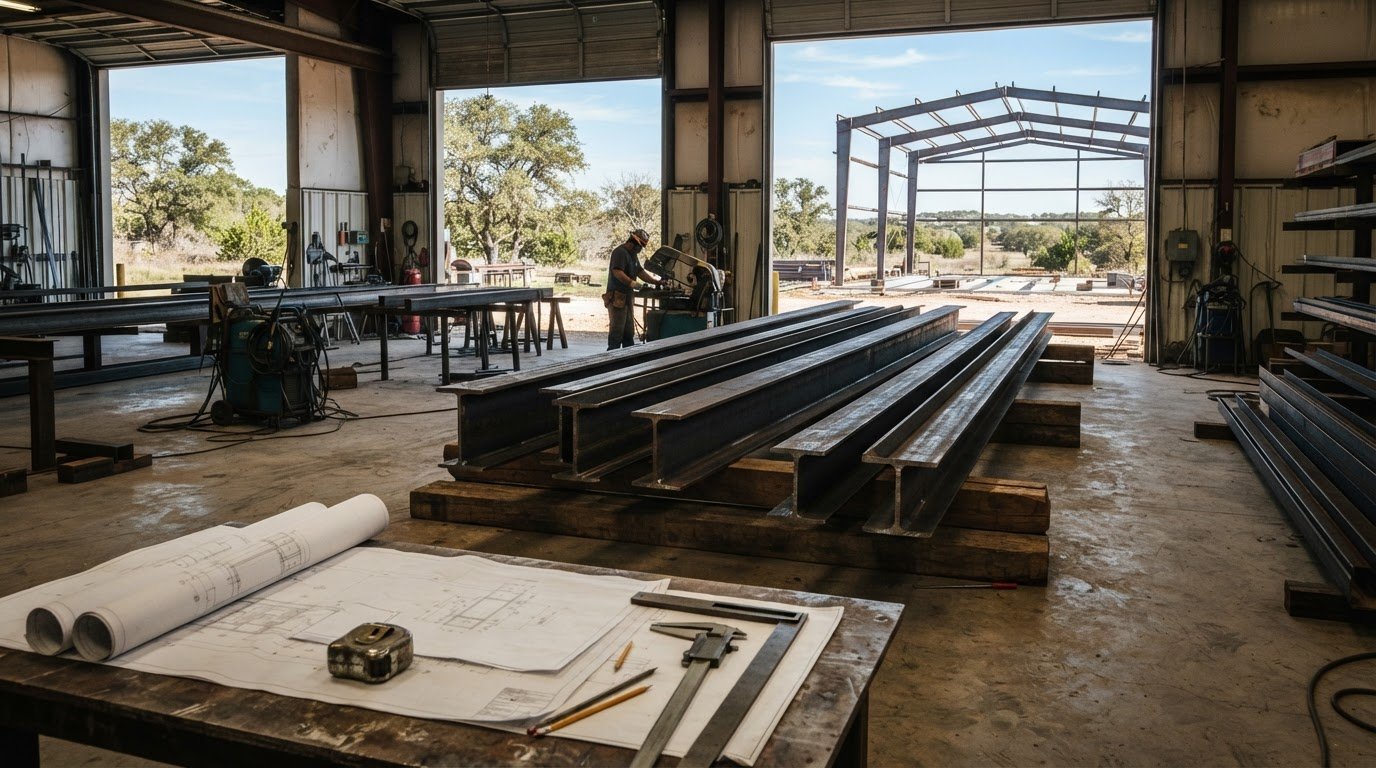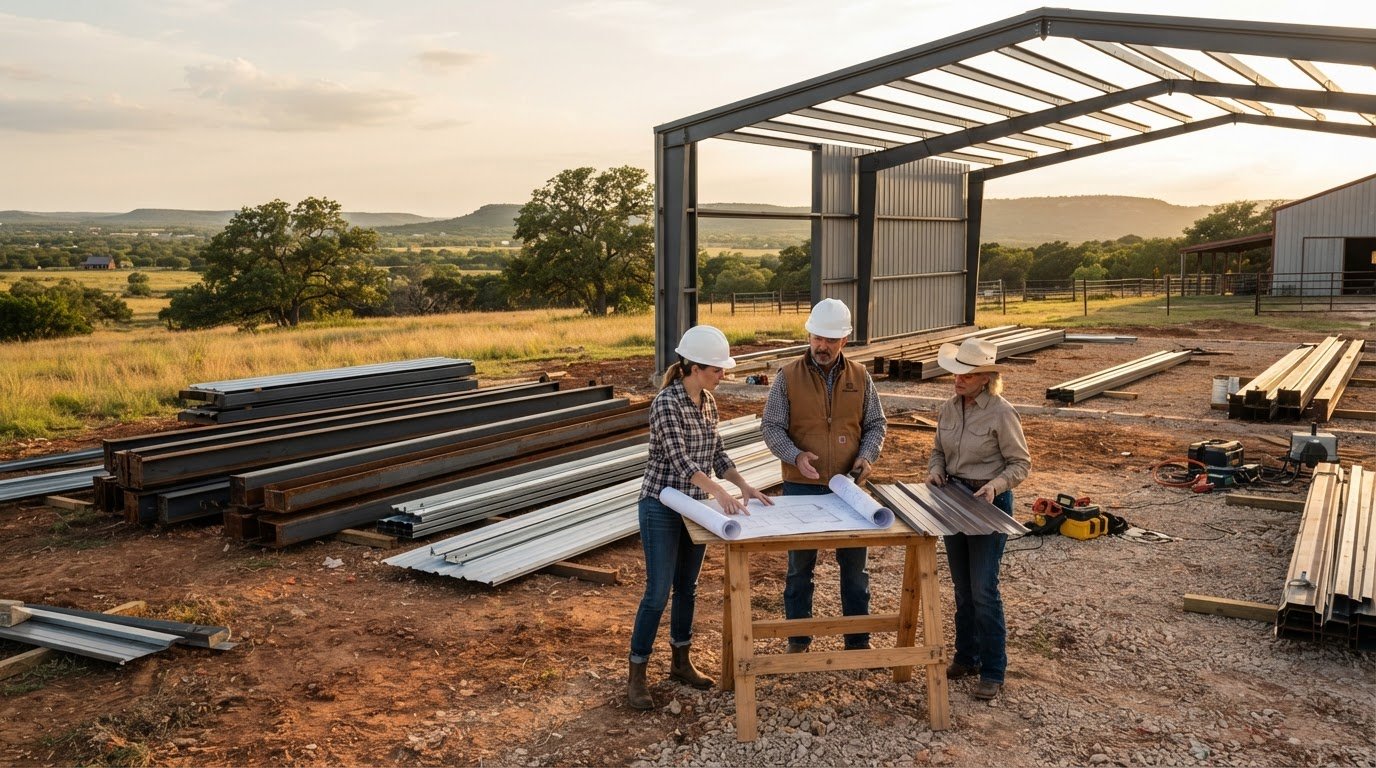
A steel building without the right finishing touches is little more than an expensive shell waiting for the next Central Texas thunderstorm to find its weakness. While many owners focus on panel gauge or frame strength, the reality is that your steel building trim does the heavy lifting when it comes to structural integrity and weatherproofing. It is the difference between a dry interior and a costly repair bill after a heavy spring downpour in the Brazos Valley. At Bradberry Steel, we have spent 25 years helping folks understand that the smallest details often provide the greatest protection for their investment.
You likely already know that a professional finish makes your property value climb, but the confusion over different trim names and functions can be a major headache. This guide will clarify exactly which pieces you need to seal your structure against wind and rain while ensuring your colors match perfectly. We will walk through the essential trim components every Central Texas project requires for a durable and polished result that stands the test of time.
Key Takeaways
- Understand why quality steel building trim is the primary barrier against moisture and weather damage for your structure.
- Learn how specific components like ridge caps and eave trim manage water runoff to protect roof edges.
- Identify the right material gauges and finishes to resist fading and dents under the intense Texas sun.
- Master the process of calculating linear footage to ensure a precise fit and minimize waste on the job site.
- Discover the advantages of sourcing custom-length trim locally to reduce labor costs and project turnaround times.
What is Steel Building Trim and Why is it Critical?
Steel building trim consists of specialized metal flashings designed to seal the joints where different building components meet. These components are essential for the structural integrity of pre-engineered steel buildings. While the main panels provide the primary surface area, the trim manages the transitions between walls, roofs, and openings. Understanding metal building profiles is helpful for seeing how these pieces interlock to create a weather-tight envelope. Without these flashings, a structure remains vulnerable to the elements and looks incomplete.
High-quality steel building trim serves as the primary defense against moisture infiltration. It seals the critical intersections between the roof and walls, redirecting water away from the interior before it can cause damage. Beyond water management, trim acts as a physical barrier against pests. In rural Texas settings, rodents and insects often seek shelter in small gaps found at the base or corners of a building. Properly installed trim closes those entry points, keeping your inventory, equipment, or livestock safe from unwanted intruders.
The trim provides the finished, professional appearance that defines modern steel construction. It covers raw edges and hides fasteners, creating a cohesive look that reflects the quality of the build. Whether you are building a warehouse or a workshop, the trim is what transforms a collection of panels into a completed structure. Bradberry Steel has spent over 25 years helping Texans select the right components to ensure their buildings are both functional and durable.
Protecting Your Structure from Central Texas Weather
In areas like Dublin and Stephenville, weather can turn aggressive without much warning. Trim diverts heavy rain away from critical structural connections during intense downpours. Wind-rated trim is equally vital; it prevents panel uplift when 60 mph gusts hit during a Central Texas thunderstorm. By sealing every edge, you reduce the risk of internal rust and corrosion on your structural members. This protection ensures the building stands strong for decades despite the heat and humidity of the region.
Aesthetic Value and Curb Appeal in the Brazos Valley
Trim does more than protect; it defines the visual character of your project. It hides raw panel edges and creates the clean lines expected in modern construction. For steel framed homes in the Brazos Valley, contrasting trim colors can highlight architectural features like gables or entryways. This attention to detail maintains long-term property value and ensures your investment looks as good as it performs. A polished finish proves that the structure was built with the precision and integrity that Texas landowners value.
If you are planning a new project and want to ensure every detail is handled correctly, Bradberry Steel is here to help. You can explore your options by using our 3D design tool or contact us today to request a quote for your next building package.
Common Types of Metal Building Trim and Their Functions
Selecting the right steel building trim is about more than just aesthetics. These components serve as the critical seal for your structure, protecting the interior from the harsh Central Texas sun and sudden thunderstorms. Every piece of trim has a specific job to do in maintaining the integrity of the building envelope. Without precision detailing at these joints, even the strongest steel frame remains vulnerable to the elements.
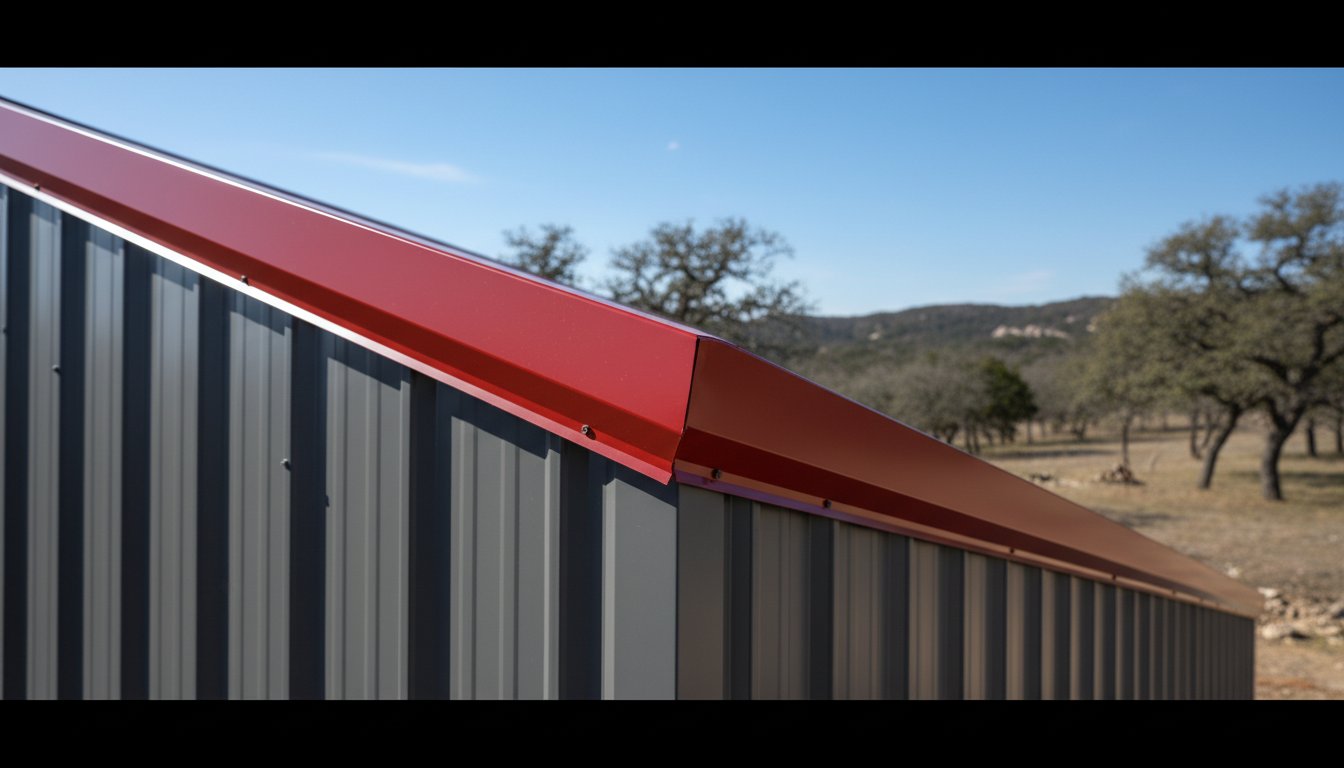
- Ridge Caps: These sit at the very peak of your roof. They cover the gap where two roof slopes meet, preventing rain and debris from entering the ridge.
- Eave and Rake Trim: These pieces manage water runoff at the roof edges. They direct rain away from the walls and provide a finished look to the gables.
- Base Trim: Positioned at the foundation level, this trim prevents water, dirt, and pests from getting behind the wall panels.
- Jamb and Header Trim: These components seal the areas around doors and windows. They create a weather-tight transition between the wall panels and the frame of the opening.
Roof and Eave Trims for Water Management
Effective drainage is a priority for any Texas property owner. Sculptured high-side eave trim is a popular choice for larger projects like aircraft hangars because it provides a decorative, high-end finish while standing up to heavy winds. Standard eave trims often integrate directly with gutter systems to ensure efficient drainage control. This combination keeps water from pooling at the base of your building, which protects your slab over time. For complex rooflines, valley trim is a non-negotiable requirement. It funnels water safely down the intersection of two roof planes, eliminating the risk of leaks in high-flow areas during a downpour. Pairing your trim with properly selected metal roofing panels ensures that your entire roof system works together to manage water runoff and resist the seasonal hail common across Central Texas.
Wall and Corner Trims for a Finished Look
The corners of a building are often its most vulnerable points. Outside corner trim protects these edges from impact and moisture infiltration. For the interior angles, inside corner trim ensures a seamless transition between perpendicular metal siding panels. This creates a clean line that defines the building’s shape and keeps the structure looking sharp. J-channel trim is another essential piece of steel building trim. It acts as a receiving edge for wall panels around windows and walk-doors. It hides the cut edges of the steel, providing a professional appearance that reflects the quality of the build. If you’re planning a new project, you can experiment with these different trim styles using the 3D design tool to see how they finish out your structure.
Choosing the Right Trim Specifications for Your Project
Selecting the proper specifications for your steel building trim is a decision that impacts the total lifespan of your structure. It is not just a matter of aesthetics. The right specs ensure your building remains watertight and maintains its structural integrity against the elements. Bradberry Steel provides the technical expertise needed to match these components to your specific building type, whether you are working on a residential shop or a large commercial warehouse.
Understanding Steel Gauges and Durability
The gauge of the steel refers to its thickness. Most projects in Central Texas utilize either 26-gauge or 29-gauge steel for trim pieces. A 26-gauge trim is thicker and heavier than 29-gauge. This added thickness provides superior resistance to denting and impact damage. In areas like Brownwood and Granbury, where seasonal hail storms are common, choosing a heavier gauge is a practical investment in long-term durability. It ensures the edges of your roof and corners of your walls stay crisp and functional after a storm.
Consistent gauge selection is also critical for the long-term health of the building. When the steel building trim and the wall panels share the same thickness, they expand and contract at the same rate during the intense temperature swings of the Texas summer. This uniformity prevents fasteners from backing out and maintains the tight seal required to keep moisture out of your framing. Our team helps you determine the best gauge based on your local weather patterns and the intended use of the building.
Color Matching and Finish Options
The Texas sun is relentless. Standard paint finishes can fade or chalk within a few years if they are not designed for high UV exposure. Siliconized Modified Polyester (SMP) coatings are the industry standard for high-performance steel building trim. These coatings offer excellent color retention and resist the abrasive effects of wind-blown dust and debris. They are specifically formulated to handle the heat without losing their protective properties.
You can review the Bradberry Steel color guide to find a match that complements your existing structures or meets local development codes. For those seeking a classic, industrial appearance, Galvalume finishes are an excellent choice. This finish consists of a zinc and aluminum coating that provides superior corrosion protection without the need for additional paint. It is a cost-effective solution for agricultural buildings and warehouses that prioritize function and longevity over a specific color palette.
Getting the specifications right the first time saves money on maintenance and repairs. Whether you are a rancher building a new barn or a developer planning a commercial complex, matching the trim profile to your panel type is vital. A mismatch can lead to gaps that allow pests or water to enter the building. Bradberry Steel helps you navigate these technical details to ensure every piece fits with precision. If you are ready to start your next project, you can request a quote or use our 3D design tool to visualize your building today.
Planning Your Trim Package for Precision and Efficiency
Accurate measurements are the foundation of any successful project. You can’t build a durable structure with guesswork or rough estimates. Calculate the total linear footage for every corner, eave, and ridge before you sign off on your order. This precision prevents costly delays and ensures your site management stays on track from start to finish. A well-organized job site depends on timing. Ordering your steel building trim alongside your main framing package ensures everything arrives when the crew is ready. This synchronization reduces the risk of material damage from sitting in the mud or being handled multiple times unnecessarily.
Measuring for Trim and Avoiding Waste
Measure the total building perimeter for base and eave trim. For a 40×60 shop, that’s 200 linear feet before waste. Add 10 percent to your final calculations to cover miter cuts and overlaps. Double-check rough opening dimensions for every window and door. Accurate jamb and header trim measurements prevent moisture infiltration and ensure a professional finish on your project.
Integrating Trim with PBR or R-Panel Siding
Your trim profile must match the rib height of your structural steel components. If the trim doesn’t sit flush against the PBR or R-Panel siding, you invite moisture inside. Use specialized closure strips to create a weather-tight seal. Secure everything with fasteners featuring EPDM washers. These components compress to create a leak-proof barrier, protecting your investment from the unpredictable Texas weather.
Site management is as much about logistics as it is about labor. When your trim package arrives with your primary building components, you eliminate the downtime associated with secondary deliveries. It allows your team to move seamlessly from erecting the frame to installing the skin and finish work. At Bradberry Steel, we emphasize this level of preparation because we’ve seen how it saves contractors and homeowners time over our 25 years in the industry. We provide the high-quality materials you need to get the job done right the first time. Our team focuses on providing the steel building trim and components that make your vision a reality without the fluff or complications of big-box suppliers.
Ready to see how your project looks with the right finish? Use our 3D design tool to visualize your trim and panel combinations today.
Sourcing High Quality Steel Trim in the Dublin Area
Finding the right steel building trim shouldn’t be a headache for builders in Erath or Comanche counties. Bradberry Steel provides custom-length trim that matches your specific project requirements. This approach eliminates the need for extensive field cutting; it saves your crew hours of labor on the job site. When you source locally from our Dublin facility, you avoid the long lead times often found with national suppliers. We understand the pace of Texas construction. We ensure your components are ready when your frame is standing.
Our team brings over 25 years of experience to every order. It’s common for building kits from other manufacturers to arrive with missing or damaged pieces. Our staff can review your inventory and identify exactly what’s missing. We provide the structural components and trim needed to get your project back on track. We also offer reliable delivery services. We bring your materials directly to your site, ensuring they arrive in pristine condition and ready for installation. This helps maintain the integrity of the finish and prevents the delays associated with damaged goods.
The Bradberry Steel Advantage for Local Builders
We focus on providing materials that withstand the intense Central Texas climate. Our family-owned operation prioritizes integrity and clear communication. We don’t use high-pressure sales tactics. Instead, we provide honest guidance for every project. Whether you are building weld-up buildings or assembling pre-engineered kits, we supply comprehensive material packages. Our steel is chosen for its durability and low-maintenance qualities, making it a smart investment for local ranchers and developers who need structures that last.
Moving from Design to Delivery
Success starts with a clear vision. You can utilize our 3D design tool to see how different steel building trim and panel colors look together. Once you have a concept, contact our team to review your blueprints. We check every detail to ensure every J-channel, corner trim, and ridge cap is included in your order. After finalizing the details, we schedule a delivery that fits your construction timeline. We keep the process straightforward so you can focus on the build without worrying about missing components.
We are here to act as your reliable partner for any steel project in the region. You can start by using our 3D design tool to visualize your structure or request a quote to get started on your material order today.
Secure Your Investment with Professional Steel Detailing
Choosing the right steel building trim is the final step in ensuring your structure stands up to the harsh Central Texas sun and unpredictable weather. It provides the essential seal your building needs to prevent moisture intrusion and structural wear. With over 25 years of Texas steel expertise, we know that precision in your trim package is just as vital as the primary framing. Our locally owned shop in Dublin, Texas, specializes in high-quality SMP coatings that offer maximum UV resistance to keep your project looking sharp for decades.
A well-planned trim package simplifies the assembly process and protects your investment from the ground up. Whether you’re a contractor managing a large development or a rancher building a new barn, getting the details right the first time saves both time and money. We take pride in delivering materials that meet the exact specifications of your build. It’s about more than just looks; it’s about structural integrity that survives the elements. Selecting the right metal roofing panels to complement your trim package is equally important for ensuring your roof system delivers decades of reliable performance under the Texas sun.
Request a Custom Quote for Your Steel Building Trim Today
We’re ready to help you finish your project with the quality and durability that Texas builds require.
Frequently Asked Questions About Steel Building Trim
What is the most important trim piece for a metal building?
The ridge cap is the most critical piece of steel building trim because it seals the highest point of the structure where two roof slopes meet. Without a properly installed ridge cap, rain and debris enter the building through the peak. This component protects the interior from the 35 inches of average annual rainfall seen across Central Texas. It works with closure strips to create a weather-tight seal that prevents moisture from reaching the insulation and framing.
Can I use 29-gauge trim with 26-gauge steel panels?
You should always match your trim gauge to your panel gauge to ensure structural integrity and a uniform appearance. Using 29-gauge trim with 26-gauge panels creates a mismatch in durability and wind resistance. A 26-gauge panel is approximately 25 percent thicker than 29-gauge steel. This thickness difference leads to uneven weathering and potential fastening issues during the extreme temperature swings common in the Brazos Valley.
How do I prevent leaks at the ridge of my steel building?
Preventing leaks at the ridge requires the installation of form-fitting closure strips and professional-grade butyl sealant. These components fill the gaps between the ribs of the roof panels and the flat surface of the ridge cap. Industry data from 2023 showed that improper sealant application caused 60 percent of metal roof leaks. Applying a double bead of sealant ensures that wind-driven rain stays outside the structure.
What is the difference between rake trim and eave trim?
Rake trim covers the sloped edges of a gable roof, while eave trim installs along the horizontal edges where the roof meets the sidewall. Rake trim protects the edge of the roof panels from uplift during high winds. Eave trim, often called drip edge, directs water away from the wall panels and into the gutter system. Both pieces are essential for finishing the perimeter and protecting the building envelope from moisture penetration.
Do I need special tools to cut steel building trim on-site?
You must use electric shears or metal snips to cut steel building trim on-site. Never use a circular saw or abrasive blade because the heat destroys the protective Galvalume coating and the paint finish. Abrasive cutting can void the 40 year film integrity warranty provided by many manufacturers. Using the correct tools prevents rust along the cut edges and ensures the trim remains a durable part of your structure for decades.
How do I choose between matching or contrasting trim colors?
Choosing between matching or contrasting colors depends on whether you want the trim to blend in or stand out as an architectural feature. Approximately 70 percent of our customers select a contrasting color for the rake and corner trim to provide a sharp, finished look. Matching the trim to the wall panels creates a monolithic appearance that makes the building look larger. Bradberry Steel offers a wide palette of colors designed to withstand the intense Texas sun.
Does steel building trim require regular maintenance?
Steel building trim requires very little maintenance beyond a bi-annual inspection of the fasteners and a simple rinse with water. You should check the neoprene washers on your screws every 12 months to ensure they haven’t cracked from UV exposure. Removing leaves and dirt from the eave trim prevents moisture traps that could lead to corrosion over 20 or 30 years. This simple routine keeps your Central Texas project looking professional and performing at its peak.
Is base trim necessary if I have a concrete foundation?
Base trim is necessary because it creates a finished edge at the bottom of your wall panels and prevents pests from entering the building. It sits between the concrete slab and the wall panels to redirect water away from the foundation. Without base trim, the bottom of the panels remains exposed to ground moisture and debris. This component is a standard part of the metal building packages we provide to ensure long-term structural health.
If you are ready to start your next project, utilize the 3D design tool at Bradberry Steel to visualize your building. Our team is here to provide the expert guidance you need for a successful build.
Disclaimer
Bradberry Steel is a steel supply and metal building package company based in Dublin, Texas. We do not provide installation, site preparation, foundation work, or general contracting services. All building projects should be reviewed by a qualified local contractor and may require permits depending on your county or municipality. Contact Bradberry Steel for product guidance and material quotes.