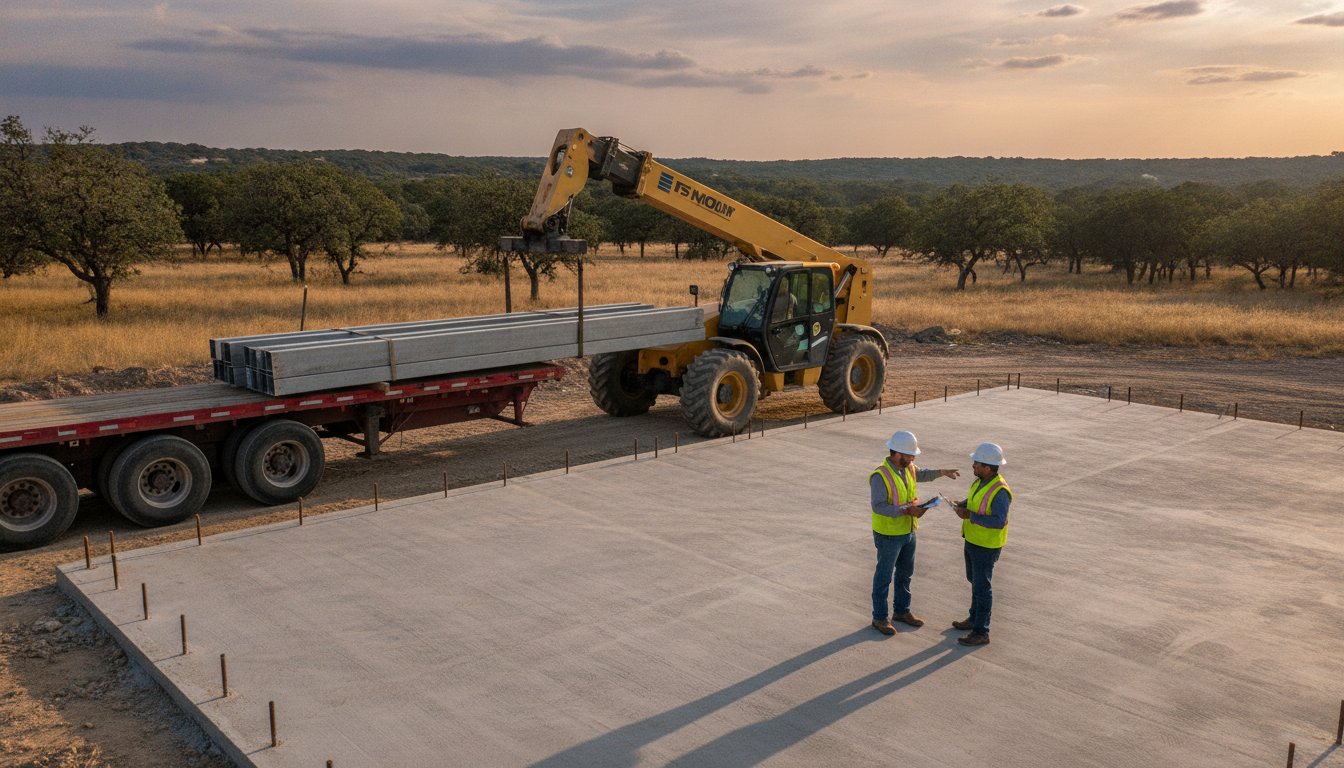
Imagine watching a 50-foot flatbed carrying 20 tons of steel sink into soft soil because the site entrance wasn’t packed down. It is a situation that can halt a project before the first bolt is tightened. Properly preparing for steel building kit delivery is the difference between a productive start and a costly logistical disaster. It’s natural to feel some anxiety about the arrival of your materials. You might worry about missing small components that could delay the crew or feel unsure about what equipment is actually required to unload the heavy bundles safely.
We believe that delivery day is the true start of your construction process. This guide will help you master the logistics of receiving your materials to ensure a smooth transition from the truck to the slab. You’ll learn how to plan for truck ingress and egress on Texas terrain; how to accurately inspect the bill of lading; and where to stage your steel to speed up the build. Bradberry Steel provides the durable packages you need for a lasting structure, and this checklist ensures you are ready to receive them with the confidence of a seasoned pro.
Key Takeaways
- Ensure your site can accommodate a 53-foot flatbed trailer weighing up to 80,000 pounds by clearing a path at least 14 feet wide and high.
- Successfully preparing for steel building kit delivery requires securing a telehandler or heavy-duty forklift in advance; unloading labor and equipment are the owner’s responsibility.
- Protect your investment by performing a thorough material inspection and noting any shipping damage on the Bill of Lading before the driver leaves the site.
- Save time during construction by staging your materials on dunnage in the reverse order of assembly, keeping primary framing most accessible.
- Confirm your foundation is fully cured and anchor bolts are accurately placed before transitioning from delivery to the actual build.
Site Access and Preparation for Heavy Steel Delivery
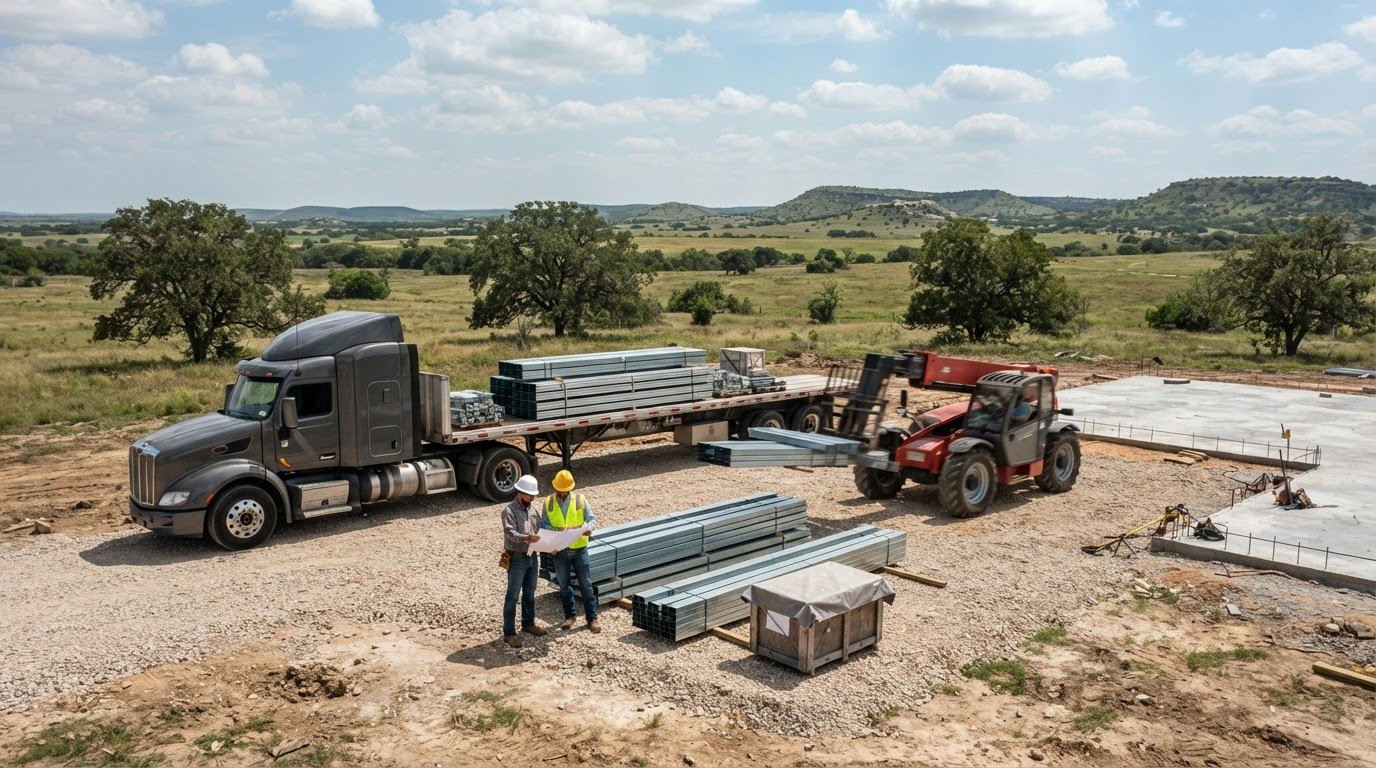
Successful projects begin long before the first bolt is tightened. When you are preparing for steel building kit delivery, your first priority is the physical path the truck must take. A standard 53-foot flatbed trailer can weigh up to 80,000 pounds when fully loaded with structural components. This is not a standard delivery truck; it is a heavy industrial load that requires a stable, wide, and clear route to your site. You must confirm the delivery route can support this weight and clear a path at least 14 feet wide and 14 feet high. Low-hanging oak branches or sagging power lines can easily snag a load, causing damage and safety hazards.
The concept of a prefabricated building relies on components being manufactured in a controlled environment and then transported to the field. If the truck cannot reach the site safely, the efficiency of the entire system is lost. Ensure your unloading area is level and composed of compacted gravel or dry soil. Soft ground is the enemy of heavy axles. Additionally, identify a clear turnaround spot. Texas highways are busy, and requiring a driver to back out into a main road is a significant liability you want to avoid.
Evaluating Your Entry Point and Turning Radius
Measuring your gate width is a critical step that many overlook. A 16-foot clearance is the minimum required for a trailer to make a wide-swinging turn into a property. Look closely at your culverts and ditches. Heavy axle loads can collapse standard residential culverts that aren’t reinforced for industrial weight. Before the truck arrives, verify that the approach from the road allows for this wide turn without risking contact with utility poles or mailboxes.
Preparing the Unloading Zone in Central Texas
Properly preparing for steel building kit delivery in Central Texas involves understanding the local terrain. Erath County clay is notoriously difficult to navigate during the wet seasons. If your site is prone to mud, consider laying down temporary gravel pads to provide the necessary traction for the delivery truck and your unloading equipment. Mark your exact drop-off point with stakes or bright marking paint to guide the driver the moment they pull onto the property. You also need to clear all debris and equipment from the staging area. A clear 360-degree workspace around the trailer allows for safe, efficient unloading from both sides. Bradberry Steel provides high-quality pre-engineered steel buildings designed for durability, but the success of the delivery day depends on your site preparation. If you are still in the planning stages, you can use the 3D design tool at Bradberry Steel to visualize your layout before finalizing your site preparation.
Coordinating Unloading Equipment and Personnel
A successful delivery day depends on having the right tools and hands on deck the moment the truck arrives. It’s a common misunderstanding in the industry that the freight carrier or supplier handles the offloading. Bradberry Steel and our freight partners provide the high-quality materials for your project, but the responsibility for unloading labor and equipment rests entirely with you. When preparing for steel building kit delivery, you must secure a telehandler or a heavy-duty forklift with a minimum capacity of 5,000 to 8,000 pounds. The specific weight capacity depends on the size of your kit, as structural columns and rafters are often bundled into heavy, dense loads that standard warehouse forklifts cannot manage.
Personnel planning is just as vital as the machinery. You should have at least two capable individuals on-site to assist with the process. One person will operate the equipment while the other acts as a spotter and manifest checker. This second person ensures that every bundle is accounted for as it comes off the trailer. It is essential that your equipment operator has experience handling long, unbalanced loads. Steel bundles can be 20 to 40 feet long. Moving these requires a steady hand and an understanding of how weight shifts during a turn.
Choosing Between a Forklift and a Crane
For most pre-engineered steel buildings, a telehandler is the preferred choice. These machines offer the reach and versatility needed to stack materials precisely where they are required on-site. You should only consider a crane for exceptionally heavy industrial components or if your site has severe obstacles that prevent a forklift from reaching the trailer. Regardless of the machine, ensure your forks are at least 48 inches long. Shorter forks can lead to bundles tipping or sliding, which risks both the material and the safety of your crew.
Safety Protocols for the Unloading Process
Safety is the foundation of every professional job site. You should designate a safety officer whose sole job is to keep bystanders and unessential personnel away from the “fall zone” during lifts. Following OSHA storage requirements for stacking and securing materials will help prevent accidents once the steel is on the ground. To maintain a professional environment, ensure your team has the following:
- Nylon slings: Use these instead of chains to prevent scratching the finish on structural members.
- Padded forks: These are essential for protecting the paint on metal roofing and wall panels.
- High-visibility vests: Every person near the unloading zone must be easily seen by the equipment operator and truck driver.
Maintaining clear, constant communication with the truck driver ensures the offloading sequence moves quickly and safely. Metal-on-metal contact can scratch protective coatings, which leads to premature rust in the humid Texas climate. If you are unsure about the specific weight of your upcoming shipment, you can request a quote and speak with a specialist to clarify your equipment needs.
The Two-Stage Material Inspection Process
When you are preparing for steel building kit delivery, the clock starts the moment the truck stops. The inspection process is split into two distinct phases to protect your investment and your timeline. The first phase happens while the steel is still on the trailer; the second occurs once the materials are on the ground. Skipping either step can lead to project delays that are easily avoided with a disciplined approach.
Perform the Unloading Inspection while the driver is present. This is your primary window to identify obvious shipping damage or missing bundles that the freight company is liable for. Note any visible tears in packaging or bent steel directly on the Bill of Lading before signing. Once the driver leaves, proving that damage occurred during transit becomes much more difficult. Document any issues with high-resolution photos before moving the materials from their original landing spot.
Reviewing the Bill of Lading and Manifest
The Bill of Lading is the legal proof of transfer between the carrier and the buyer. You must count every bundle and crate to ensure the number matches this paperwork exactly. If the manifest says twelve bundles and you only see eleven, do not sign until the discrepancy is noted. Keep a digital copy of all signed documents by taking clear photos with your phone. This ensures you have a permanent record that cannot be lost in the wind or rain of a Central Texas job site. Bradberry Steel provides comprehensive manifests with every shipment to make this counting process straightforward.
Identifying and Reporting Shipping Damage
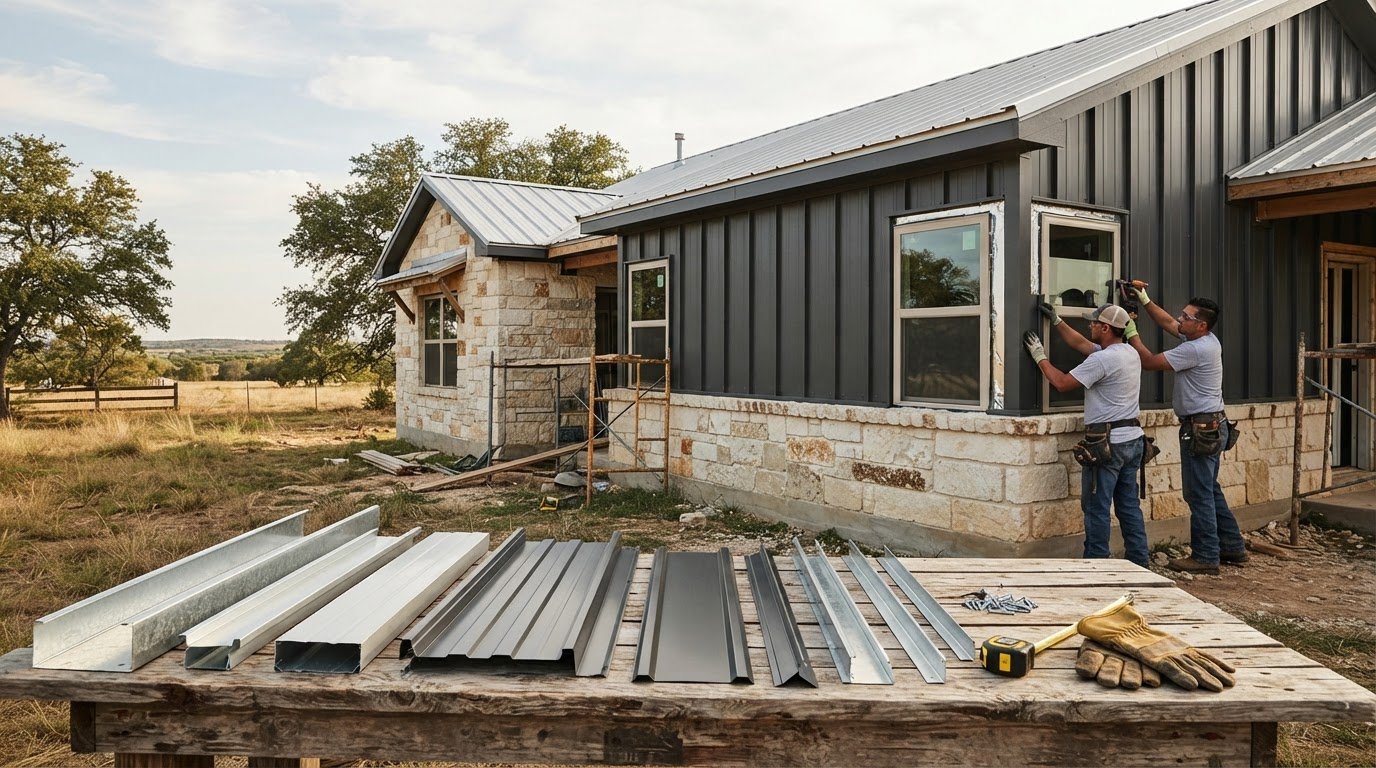
After the truck departs, execute the Unpacking Inspection within 48 hours. This is where you verify every bolt, nut, and small component against the detailed packing list. Look for “oil canning” or crimped edges on wall panels that may have occurred during transit. These minor deformities can make assembly difficult if not addressed. Check that the bundles of structural steel components are still tightly strapped. If straps are broken, components may have shifted and sustained hidden damage.
Organizing small hardware into a secure and dry location immediately prevents loss on the job site. Storing fasteners and small plates in a central, locked box keeps your site efficient and ready for the crew. Adhering to OSHA safety standards for steel buildings during this phase helps prevent site accidents and ensures materials are handled according to federal safety regulations. If you find any shortages during your 48-hour window, contact us immediately. You can also utilize the 3D design tool at Bradberry Steel to visualize how these components fit together before you begin the build.
Staging and Protecting Your Steel Building Materials
Once the truck is unloaded, the way you stage your materials dictates the pace of your construction. Staging is more than just finding a spot for the steel; it is about creating a logical workflow. When preparing for steel building kit delivery, you should plan to use dunnage or wooden blocks to keep all steel components at least 6 inches off the ground. This prevents moisture from the soil from wicking into the steel and causing premature corrosion. You should also stack materials in the reverse order of construction. This ensures the components you need first are the most accessible, rather than buried under roof panels that won’t be needed for weeks.
Protecting the finish of your steel is critical for long-term durability. Slope your panel bundles slightly. This simple step allows water runoff and prevents moisture from being trapped between finished surfaces. If water sits between stacked sheets, it can lead to permanent staining or “white rust.” Small components like fasteners, trim, and sealants are easily lost or damaged. Place these inside a locked container or shed immediately to protect them from both the weather and potential theft on the job site.
Organizing by Construction Sequence
Efficiency on a job site comes from minimizing material handling. Place your anchor bolts and base plates as close to the foundation as possible. These are the first items you will reach for. Position the main framing members for pre-engineered steel buildings, such as columns and rafters, in a central staging area where they can be easily picked up by your equipment. Keep your roof and wall panels furthest from the slab. These should remain in their protective bundles until the primary and secondary framing is fully secure and plumb.
Weatherproofing for the Texas Climate
The Central Texas climate presents unique challenges for material storage. Cover your panel bundles with breathable tarps. Non-breathable plastic can trap heat and condensation, which damages the protective coatings on the steel. You must also secure all loose materials against high winds. A single metal sheet can act like a sail in a gust, creating a dangerous situation for anyone on-site. Ensure your blocking is sturdy and wide enough to prevent sinking during heavy rain events in Dublin or Stephenville. Soft soil can cause a stack of steel to lean or tip if the weight is not distributed properly. If you want to see how your project looks before it arrives, you can utilize our 3D design tool to plan your site layout and staging zones.
Transitioning from Delivery to Construction
Once the truck is gone and your materials are staged, the focus shifts to the actual build. Successfully preparing for steel building kit delivery includes a final review of your assembly drawings. Having the physical materials on-site allows you to visualize the structure’s scale and layout in a way that paper plans cannot match. Before the first column is lifted, you must confirm your foundation is fully cured and all anchor bolts are accurately placed. Misaligned bolts are a common cause of construction delays. Taking the time to measure bolt patterns against your drawings now saves hours of frustration later in the process.
Build with the future in mind. Whether you are constructing steel framed homes or simple agricultural workshops, following the technical specifications is the only way to ensure a structure lasts for decades. If you have questions about component identification or specific bolt torques, reach out to Bradberry Steel. We provide the materials and the technical guidance to help you navigate the transition from delivery to the start of construction. Precision in the early stages of the build ensures the durability and low-maintenance benefits of steel are fully realized.
Final Inventory Check and Tool Prep
Use this time to verify your crew has the necessary equipment. You will need impact wrenches, drift pins, and proper safety gear ready before the erection process begins. Match the part numbers stamped on the steel members to your assembly plans for quick identification. If your project is in Dublin or Stephenville, check with local equipment rental shops if you need to extend your telehandler lease. Having the right tools on-site prevents unnecessary downtime. Preparing for steel building kit delivery also means ensuring your team is briefed on the safety protocols mentioned earlier in this guide.
How Bradberry Steel Supports Your Project
Our expert team is available to offer guidance on material specifications or color matching for future expansions. We take pride in being a dependable partner for all steel supply needs in Central Texas. We encourage you to use our 3D design tool for planning your next building or phase. Our goal is to provide the high-quality steel and straightforward advice you need to build something that stands up to the Texas elements. Whether you are a rancher or a developer, we are here to support your project with over 25 years of industry experience. If you are ready to start your next project, you can request a quote today to see how we can help.
Build Your Foundation for Success
Success on a construction site is rarely an accident; it is the result of disciplined planning. You now have the tools and knowledge needed for preparing for steel building kit delivery with confidence. From verifying site clearances to staging materials for a logical workflow, every step you take before the truck arrives ensures a safer and faster build. Keeping your materials organized and protected from the Central Texas elements prevents costly delays and maintains the integrity of your steel.
Bradberry Steel is a family owned and operated business based in Dublin, TX. We bring over 25 years of Texas steel supply expertise to every project, specializing in durable red iron and pre-engineered systems. We take pride in providing the physical strength and technical guidance required for structures that stand the test of time. When you are ready to take the next step in your project, we are here to help. Request a Quote for Your Next Steel Building Project. We look forward to being your dependable partner in building a legacy on your land.
Frequently Asked Questions
How much space does a 53-foot flatbed trailer need to turn around?
A 53-foot trailer typically requires a turning radius of at least 50 to 60 feet to navigate a standard turn. For a full 180-degree turnaround on your property, you should provide a cleared and level area of approximately 100 to 120 feet. This ensures the driver can maneuver without backing out onto a busy Texas highway. Always measure your site entrance and turnaround zones before the truck arrives to avoid logistical bottlenecks.
What happens if I find damaged steel after the delivery driver has already left?
You must notify us within 48 hours of delivery if you discover hidden damage after the truck departs. While noting visible damage on the Bill of Lading is the best practice, we understand that some issues only appear during the unpacking process. Take high-resolution photos of the damage and the original packaging immediately. This documentation is essential for resolving claims and ensuring your project stays on schedule without unnecessary delays.
Do I need a crane to unload a standard residential steel building kit?
Most residential kits do not require a crane for unloading. A telehandler or a heavy-duty forklift with a capacity of 5,000 to 8,000 pounds is usually sufficient for handling columns and rafters. Cranes are typically reserved for heavy industrial components or sites with severe reach limitations. Preparing for steel building kit delivery involves selecting the right machinery based on the specific weights listed in your project manifest provided by Bradberry Steel.
Can I leave my steel building components outside for several months before building?
We recommend against leaving components exposed to the elements for extended periods. If you must store them outside, keep all steel at least 6 inches off the ground using dunnage. Cover bundles with breathable tarps to prevent condensation. Prolonged exposure can lead to finish degradation or white rust on galvanized parts. It is always best to schedule your delivery as close to your actual construction start date as possible.
Who is responsible for unloading the truck if I hire a contractor for the build?
The responsibility for unloading the trailer rests with the buyer unless your contract explicitly states otherwise. Bradberry Steel and our freight partners provide the high-quality materials, but we do not provide unloading labor or equipment. You should coordinate with your erection crew well in advance to confirm who will operate the forklift and manage the staging. Clear communication ensures the truck is unloaded safely and efficiently upon arrival.
What is the most common mistake people make during steel building delivery?
The most common error is failing to inspect the inventory against the manifest while the driver is present. Many owners sign the Bill of Lading without counting every bundle, which makes it difficult to claim missing items later. Another frequent mistake is neglecting site preparation, which can lead to heavy trucks getting stuck in soft soil. Thoroughly preparing for steel building kit delivery prevents these avoidable setbacks and keeps your project moving forward.
What documentation should I have ready when the delivery truck arrives?
You should have your purchase order, assembly drawings, and a copy of the packing list ready for reference. The driver will provide the Bill of Lading for your signature once the unloading is complete. Having your own records allows you to verify part numbers and bundle counts quickly. It is also helpful to have a smartphone ready to document the condition of the materials as they come off the trailer for your records.
How do I protect my metal roof panels from rust while they are sitting on the ground?
Keep your roof panels off the soil by using wooden blocks or dunnage to create a stable base. Slope the bundles slightly to encourage water runoff and prevent moisture from being trapped between the sheets. If water stays between stacked panels, it can cause oxidation that ruins the finish. Cover the stack with a breathable tarp to protect it from rain while allowing air circulation to prevent heat and moisture buildup.
Disclaimer
Bradberry Steel is a steel supply and metal building package company based in Dublin, Texas. We do not provide installation, site preparation, foundation work, or general contracting services. All building projects should be reviewed by a qualified local contractor and may require permits depending on your county or municipality. Contact Bradberry Steel for product guidance and material quotes.