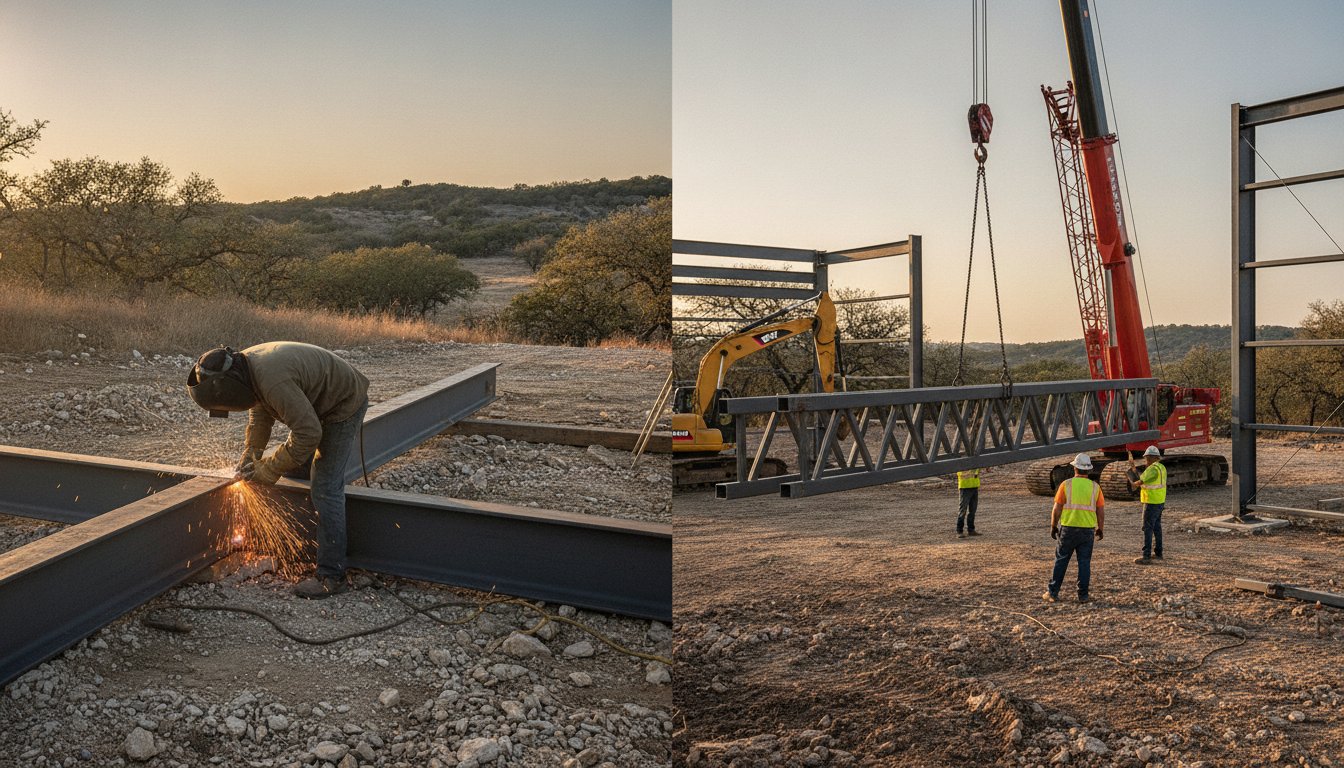
The lower price tag on a pile of raw steel for a weld-up project is often the most expensive mistake a Central Texas landowner can make. It’s easy to look at a quote for bulk metal and assume you’re saving money. However, the true weld-up vs pre-engineered building cost isn’t found on a receipt for materials alone. You need a structure that stands up to local wind loads and passes inspection in counties like Erath without a headache. Choosing between these two methods requires looking past the initial buy-in to see how specialized field labor and engineering impact your total investment in 2026.
We know the uncertainty that comes with decoding technical jargon about steel gauges while worrying about a shortage of skilled welders. This guide clarifies the financial reality of both building types so you can choose the most cost-effective solution for your property. You will gain a clear understanding of total project costs and the structural benefits of each approach. Bradberry Steel provides the expert guidance and quality packages you need to ensure your investment is as solid as the Texas ground it sits on. We’ll look at the hidden expenses that often catch builders off guard in our regional climate.
Key Takeaways
- Distinguish between field-welded components and factory-fabricated kits to understand how each system impacts your project timeline.
- Analyze the weld-up vs pre-engineered building cost by looking beyond initial material quotes to include fasteners, trim, and specialized labor.
- Learn why pre-engineered buildings simplify the permitting process in Central Texas by providing stamped drawings that satisfy local building departments.
- Evaluate the total project investment by comparing the high cost of specialized field welding against the efficiency of bolt-together assembly.
- Identify the best structural choice for your specific application, from simple agricultural sheds to complex commercial workshops and aircraft hangars.
Defining Weld-Up and Pre-Engineered Steel Building Systems
Choosing the right structural system is the first step for any Texas project. Many builders start by looking at the raw price of metal, but the weld-up vs pre-engineered building cost depends heavily on how the steel is handled once it arrives. A weld-up project is essentially a custom fabrication job performed entirely on your site. In contrast, pre-engineered buildings arrive as complete kits designed for rapid assembly. Bradberry Steel provides the high-quality materials for both, helping you match the system to your specific needs and budget.
While both systems utilize structural steel, the method of connection defines the entire project workflow. Central Texas builders often choose based on the availability of local welding talent versus the need for speed. A weld-up frame might feel familiar to a rancher with a welding rig, but a pre-engineered kit offers a level of precision that’s hard to match in the field. Understanding these mechanics is vital before you pour your foundation or sign a purchase agreement.
The Mechanics of Weld-Up Construction
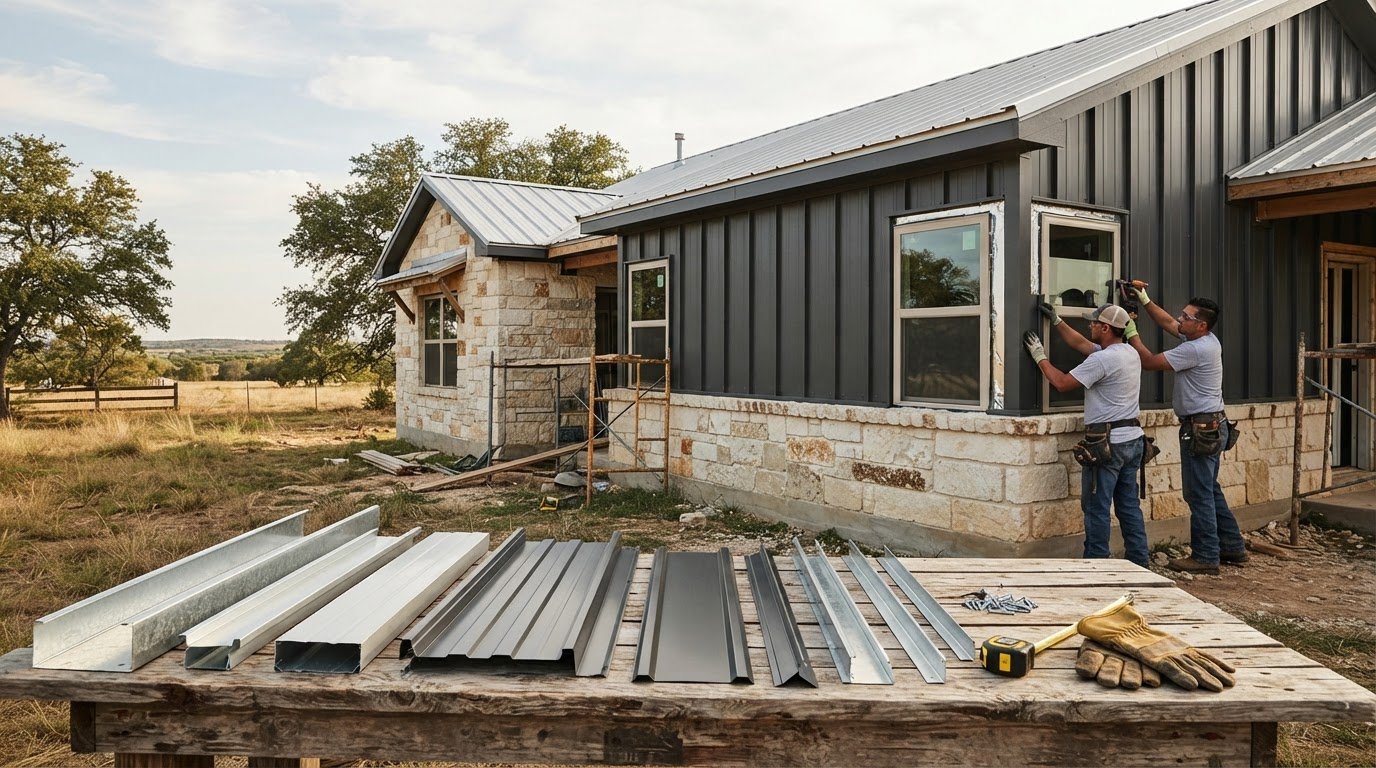
Weld-up buildings rely on the purchase of individual structural steel components like C-purlins, I-beams, and square tubing. These materials are delivered in bulk and require a skilled hand to cut, fit, and join them. This method offers high flexibility. If you decide to move a door or adjust a wall height mid-build, you can do it with a torch and a welder. Common materials for these builds include:
- C-Purlins and Z-Purlins: Used for secondary framing in roofs and walls.
- Square Tubing: Often used for columns or truss fabrication in smaller sheds.
- Angle Iron and Plate Steel: Essential for custom brackets and reinforcements.
This approach is a staple for weld-up buildings across rural counties. It places the burden of structural integrity entirely on the quality of the field welds. Every connection is custom, which means the building is only as strong as the person holding the stinger.
The Pre-Engineered Kit Advantage
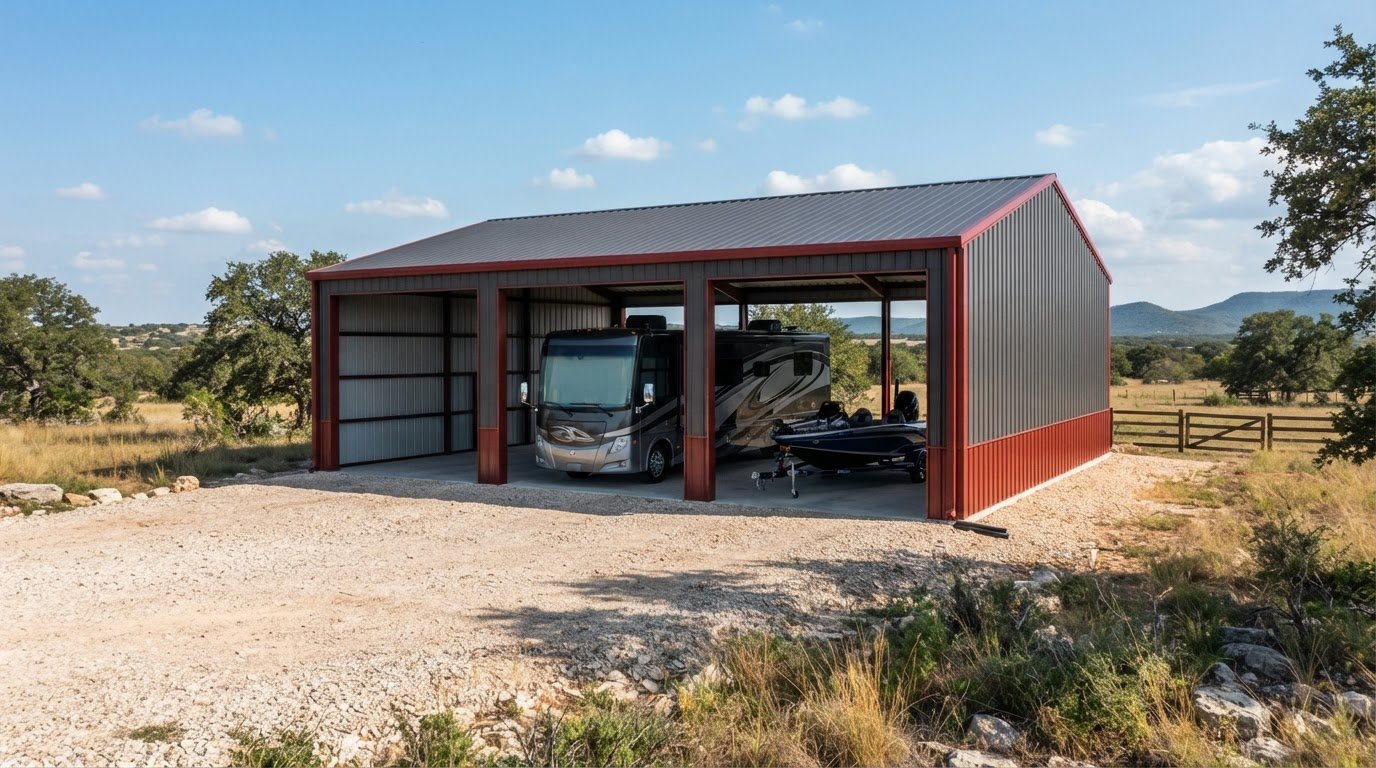
Modern prefabricated building systems take a different approach. Components for pre-engineered buildings are manufactured to exact specifications in a controlled factory environment. Every piece is cut to length and every bolt hole is pre-punched before shipping. This precision ensures that the building goes together exactly as the engineers intended, removing the guesswork from the assembly process.
For projects in Dublin and the surrounding areas, this is a major benefit. These kits are designed to meet specific wind and snow load requirements, providing peace of mind during storm season. Because the components are bolt-together, you don’t need heavy welding equipment or specialized field welders to complete the shell. This standardized manufacturing process creates a predictable workflow that saves time on the job site. Bradberry Steel remains a primary resource for these packages, ensuring your project starts with a foundation of technical excellence and regional pride.
Comparing Material Costs vs. Total Project Expenses
Many Central Texas property owners focus solely on the initial quote when evaluating the weld-up vs pre-engineered building cost. It’s a common trap. Raw steel components often look like a bargain because you’re only looking at the price of the metal. The true expense of a building project is rarely found in the price of the steel alone. You have to account for every consumable, every mistake, and the long-term durability of the finish to see the full financial picture.
A building is an investment in your property’s future. While a weld-up frame offers a lower entry point, the hidden costs often bridge the gap quickly. Pre-engineered systems provide a fixed material cost that covers everything from the primary frame to the last screw. This transparency helps you avoid the budget creep that plagues many custom construction projects in our region.
Raw Steel Procurement for Weld-Up
Purchasing bulk steel components allows for a lower initial price point. You pay for the raw materials like C-purlins, tubing, and plate steel. But the shopping list doesn’t end there. Builders must account for the cost of consumables like welding rods, shielding gas, and grinding wheels. These items add up over a multi-week build. Price volatility is another risk. In early 2026, hot-rolled coil steel prices reached approximately $1,002 per ton. If you don’t buy your entire inventory at once, a sudden market shift can impact your weld-up budget mid-project.
Waste management is another hidden expense. Every field-cutting error with a torch or saw results in material destined for the scrap pile. These mistakes are common in custom builds and represent literal dollars lost on the job site. If you’re planning a custom project, you can browse our weld-up building components to start mapping out your material needs.
The All-Inclusive Nature of Pre-Engineered Kits
Pre-engineered kits take the guesswork out of your financial planning. These packages arrive with every component needed for the shell, including fasteners, trim, and structural bolts. This all-inclusive approach eliminates the need for daily runs to the hardware store for missing hardware. Precision manufacturing means every piece is cut to length at the factory. There is zero material waste on your site, which keeps the workspace clean and efficient. These systems are designed to meet strict safety and structural standards, often aligning with OSHA steel erection standards for professional job sites.
Engineered plans are also included in the base price of a kit. This saves you from hiring a third-party designer or engineer to draft your building from scratch. When you analyze the weld-up vs pre-engineered building cost, you’ll see that paying for a proven system minimizes financial surprises. You can even use our 3D design tool to visualize your project and get a clear idea of how these components come together before you ever break ground.
Labor Requirements and Construction Timelines
In Central Texas, the real bottleneck for any project is usually the hands on the ground. Finding a qualified welder in Erath or surrounding counties has become a significant hurdle in 2026. This shortage of skilled trades is a primary driver in the weld-up vs pre-engineered building cost. While raw steel sits on your lot, the clock is ticking on your project start date. If you can’t find a professional to fuse the frame, your budget is at the mercy of their availability and rising hourly rates.
Bradberry Steel understands that time is money for ranchers and business owners alike. We provide the steel supply and project guidance to help you navigate these labor challenges. Whether you choose a custom weld-up or a precision kit, your timeline depends on how efficiently your crew can move from foundation to dried-in shell. In a market where construction input prices saw an annualized increase of 7.1% in January 2026, every week of delay adds to your bottom line.
The Real Cost of Field Welding Labor
Skilled welding labor is at a premium and often costs significantly more than the general assembly labor required for a kit. Weld-up projects require more man-hours per square foot because every connection must be measured, cut, and fused in the field. This isn’t just about the welder’s paycheck. You must also account for the support crew required to hold components in place during the custom fabrication process. When you factor in the hourly rate of a certified professional, field labor can effectively double the cost of your raw steel materials.
Weather delays impact weld-up projects more severely than other methods. High winds or rain can shut down a welding site for days due to safety and structural integrity concerns. In 2026, the industry faces 499,000 unfilled construction jobs, making it harder to catch up once a project falls behind. If your welder gets pulled to another high-priority job during a rain delay, your project could stall for weeks.
Speed of Assembly for Bolt-Together Kits
Bolt-up systems allow for rapid frame erection that is often completed in days rather than weeks. These kits are designed for efficiency, following the rigorous standards set by the Metal Building Manufacturers Association. Because the components are pre-punched and cut to length, the assembly process is predictable and moves quickly. Prefabricated steel buildings minimize the time you spend paying for expensive equipment rentals like scissor lifts or cranes.
This system requires fewer specialized tools, making it a viable option for those managing their own installation. You don’t need a mobile welding rig or specialized shielding gas to secure the primary frame. By reducing the complexity of the build, you lower the risk of expensive errors and keep your project on a steady path toward completion. You can explore our 3D design tool to see how these efficient systems come together before you commit to a purchase.
Permitting and Engineering in the Texas Climate
Permitting is often the gatekeeper of your project’s timeline and total budget. When evaluating the weld-up vs pre-engineered building cost, you must account for the soft costs associated with legal compliance and safety. Pre-engineered buildings arrive with a significant advantage: factory-stamped engineering drawings. These documents are designed to satisfy local building departments and are included in the package price. For weld-up structures, you may need to hire an independent engineer to certify your field welds and structural plans, which typically adds 4 to 6 percent to your hard construction costs.
In rural areas of Central Texas, the requirements can vary. While some believe permitting a weld-up structure is difficult, it remains a viable and traditional choice for simple agricultural sheds or non-residential barns in counties with fewer restrictions. However, for any project involving public access or residential use, such as steel framed homes, an engineered kit is almost always a requirement. Bradberry Steel provides the professional-grade building packages that meet these standards, though we don’t handle the permitting or engineering stamps ourselves.
Navigating Local Building Codes
Counties like Erath or Comanche have specific requirements for structural integrity that every builder must respect. The 2024 International Building Code (IBC) has introduced new provisions for wind and tornadoes that may affect your project’s specifications. Engineered kits provide the path of least resistance because they’re designed to these exact codes from the start. If you’re building a weld-up frame, it’s wise to consult local authorities before you purchase raw steel. You don’t want to find out your custom workshop doesn’t meet local standards after the frame is already fused together.
Wind Loads and Insurance Considerations
Texas weather is famously volatile, and your insurance provider knows it. Engineered buildings are rated for specific wind speeds, which provides a clear paper trail for insurance adjusters. This documentation can often lead to lower insurance premiums compared to uncertified structures. A field-welded building might be just as strong, but proving its load-bearing capacity without an engineering stamp is a difficult task during a claim. Precision-engineered connections offer a level of stability that’s essential for long-term structural longevity in our storm-prone region.
Before you commit to a specific building style, it’s helpful to see how your vision fits within these technical requirements. You can use our 3D design tool to explore different configurations and ensure your project starts with a clear, professional plan.
Selecting the Right Building for Your Texas Property
The final choice between a custom build and a factory-fabricated kit comes down to your specific goals and the resources you have available. When calculating the weld-up vs pre-engineered building cost, you must weigh the upfront savings of raw materials against the long-term value of your investment. A building that meets local codes and carries a structural warranty will always have a higher resale value than an uncertified field-welded project. Bradberry Steel provides the high-quality components and full kits needed for either path, ensuring your Central Texas project starts with the best materials available.
Total cost of ownership includes more than just the construction phase. You must consider insurance premiums, maintenance requirements, and how the building will serve your needs a decade from now. While raw steel is a durable choice for any climate, the precision of a pre-engineered system often results in a more efficient, low-maintenance structure. We are here to help you evaluate these choices with the steady hand of an expert partner who understands the Dublin landscape.
When to Choose a Weld-Up System
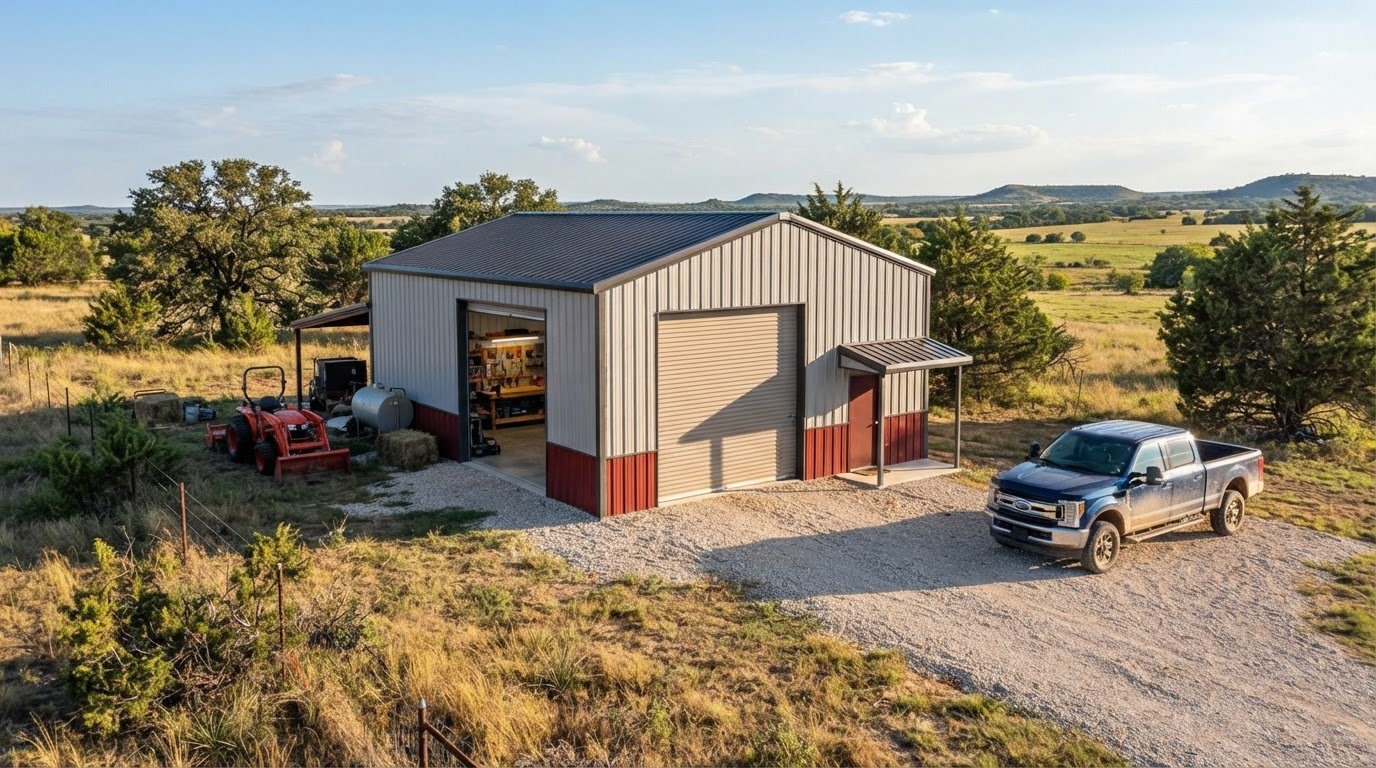
A weld-up system is often the most practical solution for simple agricultural projects. If you are a skilled welder and your labor is essentially “free” time, buying raw steel components can be a cost-effective way to build fences, loafing sheds, or basic equipment covers. These structures are ideal for rural areas where permitting requirements are minimal and the design doesn’t require complex engineering stamps. Weld-up builds also allow for the creative use of custom steel components to solve unique agricultural problems on the ranch; for example, specialists in Structural and Custom Steel Fabrication demonstrate how tailored metalwork can be adapted to almost any structural requirement. It’s a traditional method that works well for projects that don’t need to meet strict commercial or residential codes.
When a Pre-Engineered Kit is Essential
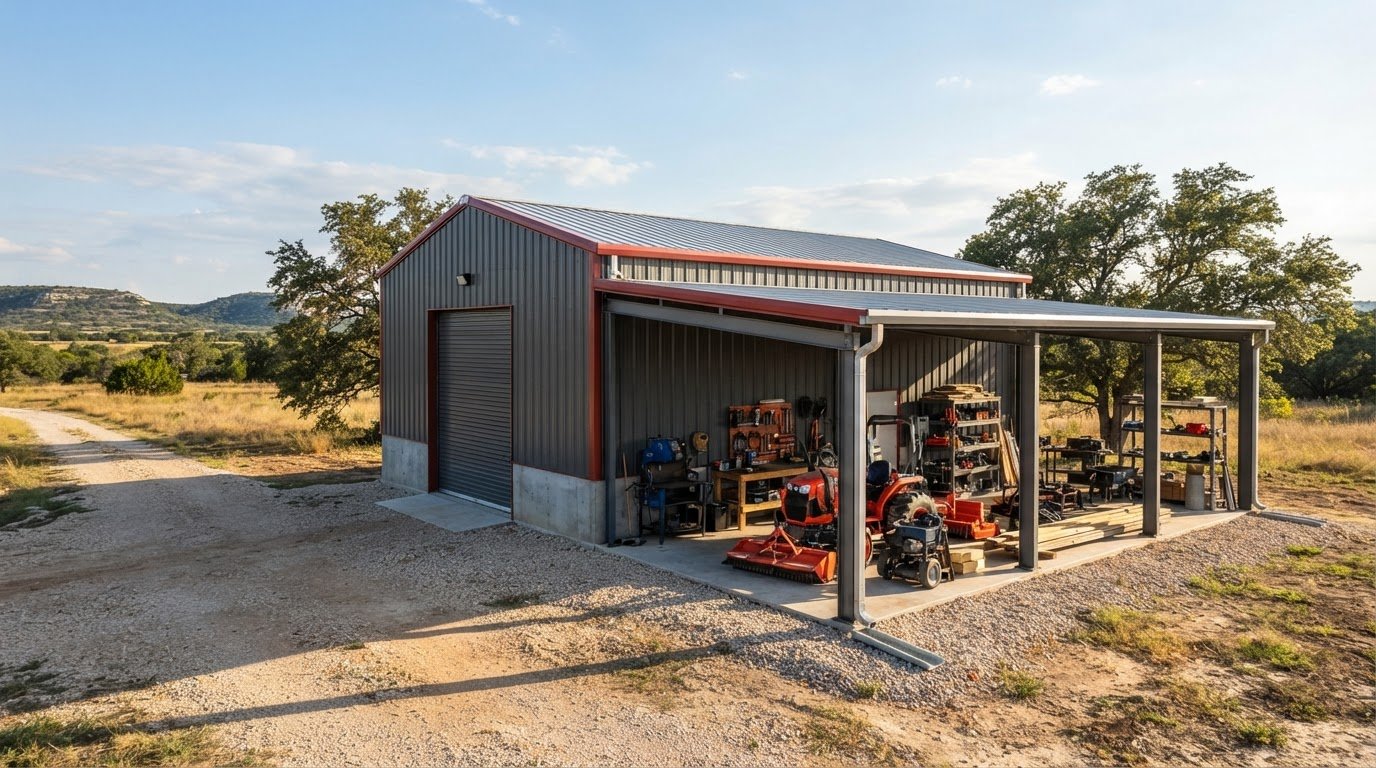
For more complex projects, a pre-engineered kit is the gold standard. These systems are necessary for commercial facilities, self-storage units, and residential homes. If your priority is a predictable timeline and a fixed budget, the bolt-together method removes the variables that often lead to cost overruns in custom builds. These kits are also the preferred choice for specialized structures like aircraft hangars where structural precision is non-negotiable.
Planning your project doesn’t have to be a guessing game. You can utilize the Bradberry Steel 3D design tool to visualize your kit and explore different layouts before you make a purchase. This tool helps you see exactly how your building will look on your property, allowing for better local planning and faster decision-making. Once you have a design in mind, you can request a quote or continue refining your plans to get your project moving with confidence.
Build Your Texas Legacy with Confidence
Navigating the weld-up vs pre-engineered building cost requires a clear view of your long-term goals. A custom weld-up project might offer flexibility for simple agricultural needs, but a pre-engineered kit provides the speed and certified engineering required for commercial or residential investments. Your choice ultimately impacts your project’s timeline, insurance rates, and overall resale value. By looking at the total project expenses rather than just the price of raw steel, you ensure your building is a financial asset rather than a liability.
Bradberry Steel stands as a dependable partner for Central Texas builders. We’re a local, family-owned and operated business in Dublin, TX, with over 25 years of Texas steel expertise. We specialize in red iron engineered kits designed to withstand our regional wind loads and weather patterns. Our team is dedicated to providing the high-quality materials and straightforward guidance you need to build with pride. Take the next step toward a durable structure by visiting us online to Request a Quote for Your Steel Building Project. Your land deserves a building as resilient and enduring as the Texas spirit.
Frequently Asked Questions
Is a weld-up building cheaper than a pre-engineered kit?
A weld-up structure often has a lower sticker price for raw materials, but the total weld-up vs pre-engineered building cost usually balances out once you pay for specialized field labor. You have to account for welding rods, shielding gas, and the extra weeks of man-hours required for custom fabrication. While the initial buy-in feels lower, the hidden expenses of a custom build often close the gap quickly.
Can I get a permit for a weld-up building in Erath County?
You can obtain permits for weld-up structures in Erath County, though the process is often more complex than with a kit. Building departments typically require engineered drawings to prove the structure meets wind load standards. Pre-engineered kits from Bradberry Steel arrive with these stamps included, while weld-up builders must often pay an independent engineer for separate certification to satisfy local inspectors.
How long does it take to weld a 40×60 shop compared to bolting one together?
A 40×60 pre-engineered shop can often be bolted together in less than a week, while a weld-up frame of the same size can take three to four weeks of steady field labor. The precision of factory-punched holes eliminates the measuring and cutting that slows down custom builds. This speed reduces your equipment rental time and allows you to move on to the interior finish much sooner.
What is the difference between red iron and standard steel used in weld-up?
Red iron refers to structural steel that has been factory-primed with iron oxide to prevent rust during the build, whereas standard weld-up steel is often raw, unprimed material like square tubing. Red iron is the backbone of our engineered kits, providing a more durable foundation for long-term use in the Texas climate. Using primed steel reduces the maintenance required to keep the frame from corroding over time.
Do I need special tools to assemble a pre-engineered bolt-up kit?
You don’t need a mobile welding rig or specialized cutting torches to assemble a pre-engineered kit. Most projects require standard tools like impact wrenches, spud wrenches, and a scissor lift or forklift to reach the peak safely. This makes bolt-together assembly a more manageable task for owners who want to manage their own project without the need for high-end fabrication equipment.
Are weld-up buildings safe for residential use like barndominiums?
Weld-up frames can be used for barndominiums, but they require rigorous third-party engineering to ensure they are safe for residential habitation. Most lenders and insurance companies prefer pre-engineered kits because they follow documented safety and load-bearing standards. For residential steel projects, the predictability of a kit is a safer investment for your family and your long-term property value.
How does the resale value of a pre-engineered building compare to a weld-up?
Pre-engineered buildings generally command a higher resale value because they come with a verifiable paper trail of structural integrity. Buyers and inspectors can verify the building was designed to specific wind loads and local codes. A weld-up building often lacks this standardized documentation, which can lead to lower appraisals or difficulty when you decide to sell your property in the future.
If you are ready to start planning your next project, utilize our 3D design tool or request a quote from Bradberry Steel today. We are here to help you choose the most reliable path for your Texas property.
Disclaimer
Bradberry Steel is a steel supply and metal building package company based in Dublin, Texas. We do not provide installation, site preparation, foundation work, or general contracting services. All building projects should be reviewed by a qualified local contractor and may require permits depending on your county or municipality. Contact Bradberry Steel for product guidance and material quotes.