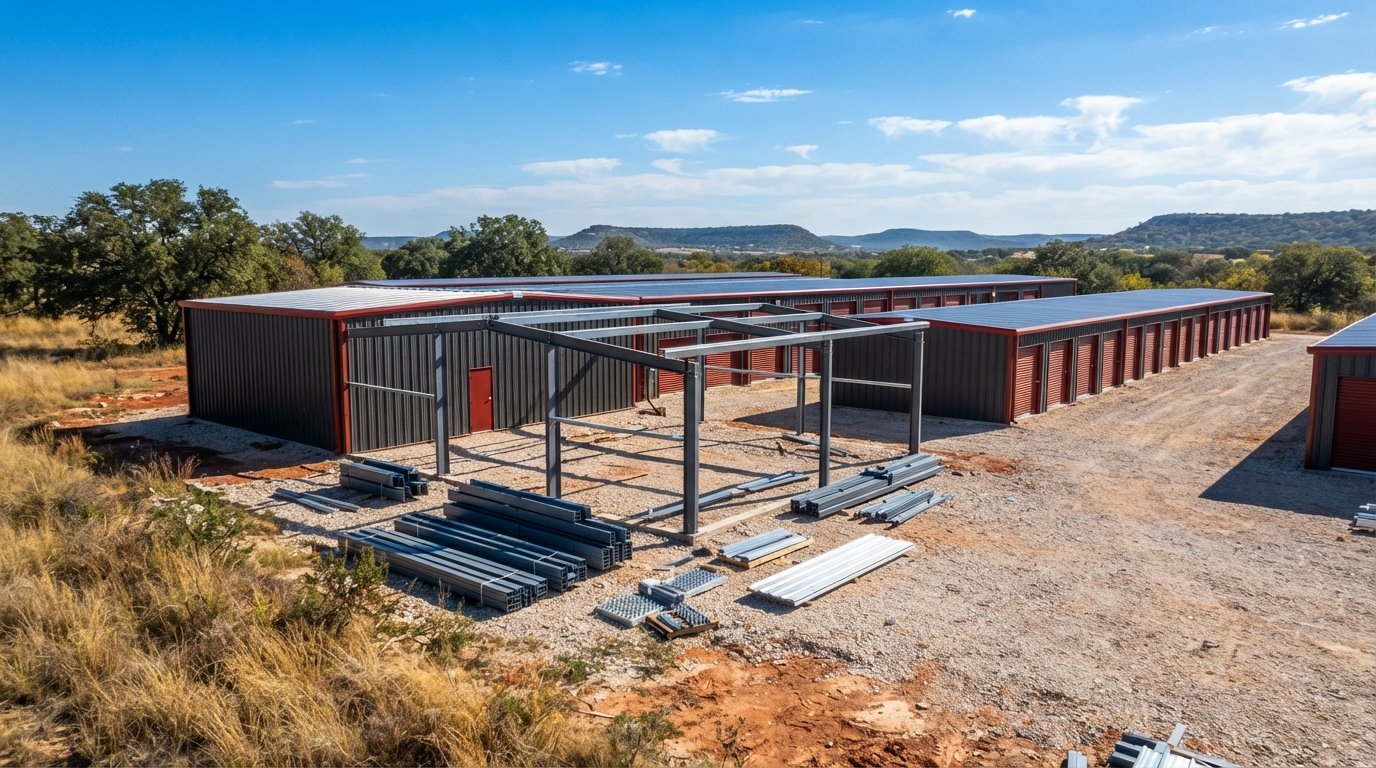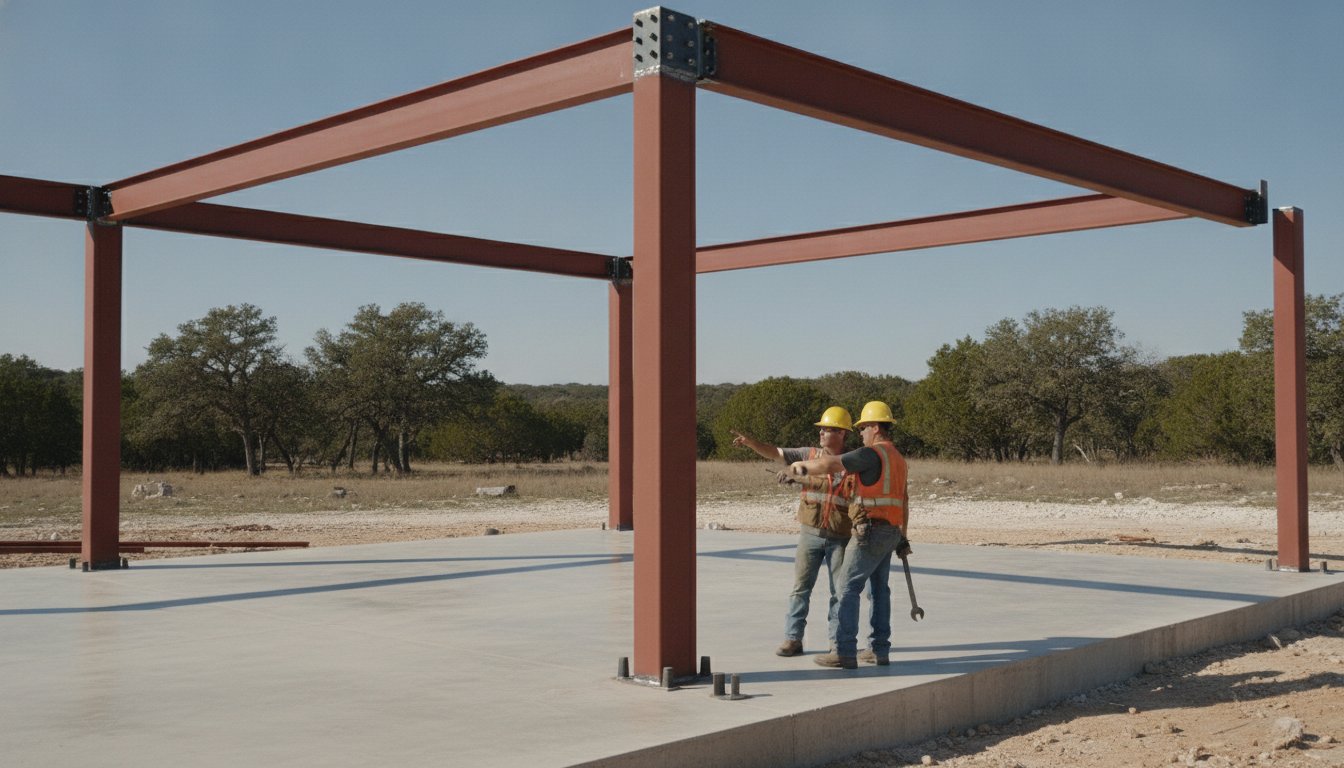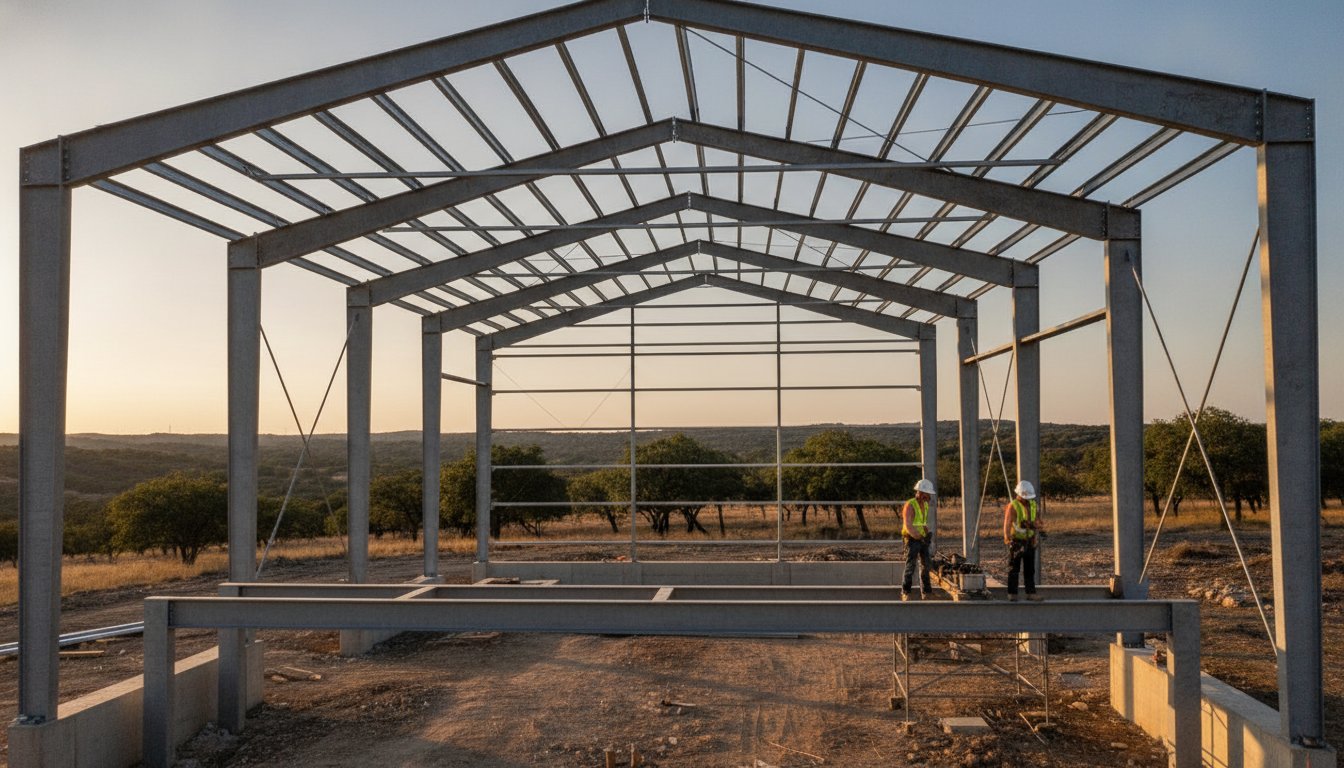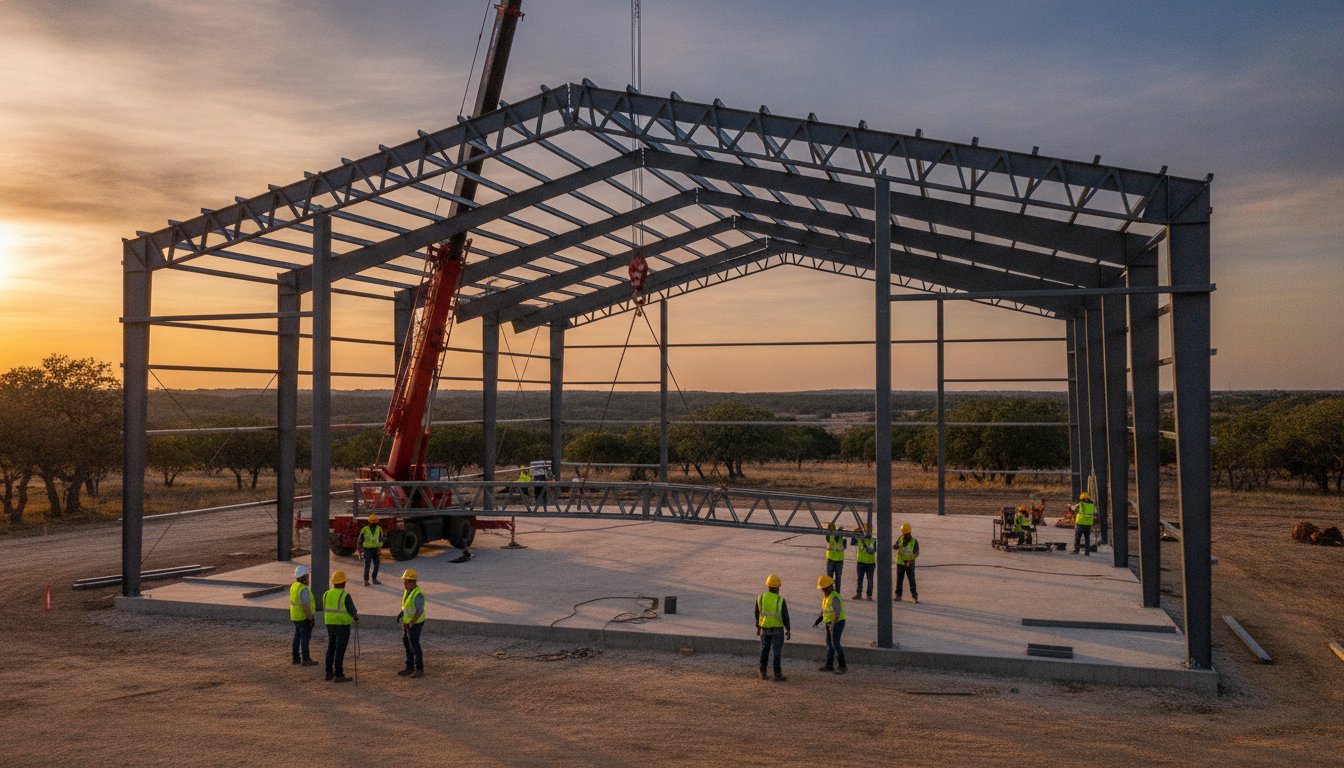
The most important decision for your new shop or barn isn’t just the floor plan; it’s how the exterior handles the relentless Central Texas sun. Choosing from the available metal building color options is a functional engineering choice as much as an aesthetic one. A dark roof might look sharp on day one, but without the right reflective technology, it can turn your workspace into an oven and send cooling costs soaring. It’s a common concern for property owners in Dublin and Stephenville who want to avoid the “cheap tin shed” look while ensuring their investment doesn’t fade or chalk within a few years.
We understand that you need a building that reflects the strength of your work and the heritage of our region. You’ll learn how to navigate the 2026 “cool roof” regulations and select high-performance finishes that stay up to 50 degrees cooler than traditional materials. We will preview the top color palettes for this year, from modern farmhouse contrasts to earth tones that blend into the landscape, ensuring your structure remains a durable, low-maintenance asset for decades. This guide breaks down the technical side of pigments and warranties so you can build with quiet confidence.
Key Takeaways
- Understand how solar reflectance in your color choice lowers internal temperatures and helps your project meet 2026 energy standards.
- Discover how different panel profiles and wainscoting options provide both structural protection and a professional finish for your property.
- Explore various metal building color options that range from high-contrast modern farmhouse looks to natural earth tones that suit the Texas landscape.
- Learn the technical importance of 26-gauge steel and advanced coating systems in preventing paint fading and structural oil canning.
- Eliminate guesswork by using 3D design tools to coordinate your siding with residential metal roofs before the building package is delivered.
Selecting Colors for the Central Texas Climate
In Central Texas, the sun is a physical weight on your structure. When you evaluate metal building color options, you are making a decision that dictates the thermal performance of your shop or barn for decades. A building in Erath County faces a UV index that can punish inferior materials, turning a vibrant finish into a dull, chalky surface in just a few seasons. Your choice of color directly impacts the solar reflectance of the steel panels. This is the material’s ability to bounce sunlight back into the atmosphere rather than absorbing it as heat. Darker shades absorb significantly more thermal energy, which increases the cooling demands on your interior space during our long summer months.
Heat Reflection and Energy Efficiency
The Solar Reflectance Index (SRI) measures how well a surface rejects solar heat. For property owners in Dublin, selecting a color with a high SRI is the most effective way to lower internal temperatures. Lighter colors like Polar White or Light Stone offer the best thermal performance because they possess the highest SRI values. This relies on the fundamental cool roof science that dictates how different pigments interact with the infrared spectrum. Under the 2024 International Energy Conservation Code (IECC) adopted in Texas, many new commercial structures must meet specific reflectance minimums. By reflecting heat, these “cool roof” colors can reduce attic temperatures by up to 20°F. This reduction directly supports the overall R-value of your insulation, allowing your HVAC system to run less frequently. In a climate where summer afternoons regularly exceed 100°F, an energy-efficient color choice is a practical necessity for managing long-term operational costs.
UV Resistance and Color Longevity
The intense UV exposure in the Cross Timbers region causes specific chemical reactions in low-grade paint systems. Over time, the resin in the paint breaks down, leading to “chalking,” which is the white, powdery substance that rubs off on your hand. Darker shades like Burnished Slate or Charcoal absorb more thermal energy; this can accelerate degradation if the pigment stability isn’t industrial-grade. At Bradberry Steel, we supply 26-gauge high-quality steel panels designed to withstand these conditions. While many standard colors in our 2026 color guide come with a 40-year limited paint warranty, you must check specific ratings. For instance, vibrant reds often have shorter color-retention warranties than neutral tones.
When evaluating color longevity, consider these technical factors:
- Pigment Stability: High-grade resins resist the breakdown caused by the Central Texas UV index.
- Chalking Resistance: Look for warranties that specifically cover the formation of white residue.
- Fade Ratings: Ensure the color is rated to maintain its hue despite constant solar exposure.
Choosing a finish with a long-term chalking warranty ensures your building looks as professional in twenty years as it does the day we deliver the package to your site.
Standard Panel Profiles and Aesthetic Impact
Color is only half the visual equation. The physical shape of the steel panel dictates how light hits the surface and where shadows fall. When you explore metal building color options, you must account for the panel profile. A specific shade of Tan can look drastically different on a deep-ribbed panel than it does on a flat surface. These geometric variations create a rhythm across the walls that defines the building’s character and professional presence. In the Dublin area, where the sun remains high and bright for most of the year, these shadow lines are especially pronounced.
PBR vs R-Panel Color Performance
The PBR (Purling Bearing Rib) panel is the industry standard for durability. It features a deeper rib and an extra “leg” that overlaps for a superior weather seal. This depth creates bold, vertical shadow lines that add a sense of rugged strength to agricultural shops and commercial facilities. For those planning pre-engineered steel buildings, the R-Panel offers a similar aesthetic but with a slightly lower profile. While both are dependable, the PBR panel’s deeper ribs provide more visual contrast. This contrast can make a single color appear multi-tonal as the sun moves across the Texas sky. Choosing the right profile ensures the color palette you select matches the intended utility of your structure.
Shadow Lines and Visual Texture
Shadows do more than add texture; they influence the perceived darkness of your building. Deep ribs create pockets of shade that can make a Light Stone panel appear a shade or two darker from a distance. If you want a sleek, modern architectural finish, flush wall panels eliminate these shadow lines entirely. This provides a consistent, flat color that is often preferred for high-end offices or retail spaces. Orientation also plays a role. Vertical panels are traditional and help shed water efficiently. Horizontal orientations are gaining popularity in residential designs. They create a wider, more grounded appearance that mimics traditional siding while maintaining the strength of 26-gauge steel.
The interaction between panel geometry and sunlight also affects thermal load. Information from the EPA on cool roofs highlights that the way a surface reflects or absorbs energy is a key factor in building efficiency. Deep ribs can trap small pockets of hot air near the surface if not properly ventilated. By selecting a profile that complements your color’s reflective properties, you maximize both the look and the performance of the shell. Before making a final decision, it’s helpful to review our color guide to see how these profiles look in different light conditions.
Popular Color Schemes for Texas Barndominiums and Shops
Selecting from the available metal building color options in 2026 requires looking beyond a single swatch to see the total project’s footprint. In the Dublin and Stephenville areas, a building needs to harmonize with the rolling landscape and existing ranch structures. A well-planned color scheme does more than provide a professional finish; it anchors the building to the site. We see a shift toward palettes that favor longevity and regional relevance over passing trends. Whether you are planning a massive agricultural shop or a custom residence, the combination of wall, trim, and roof colors defines the final character of the steel.
Beyond the steel itself, a complete property design often includes high-end exterior features. If you want to expand your functional living area, you can explore Deck Platforms from BigDecks to create an outdoor space that complements your new building.
The Classic Texas Ranch Aesthetic
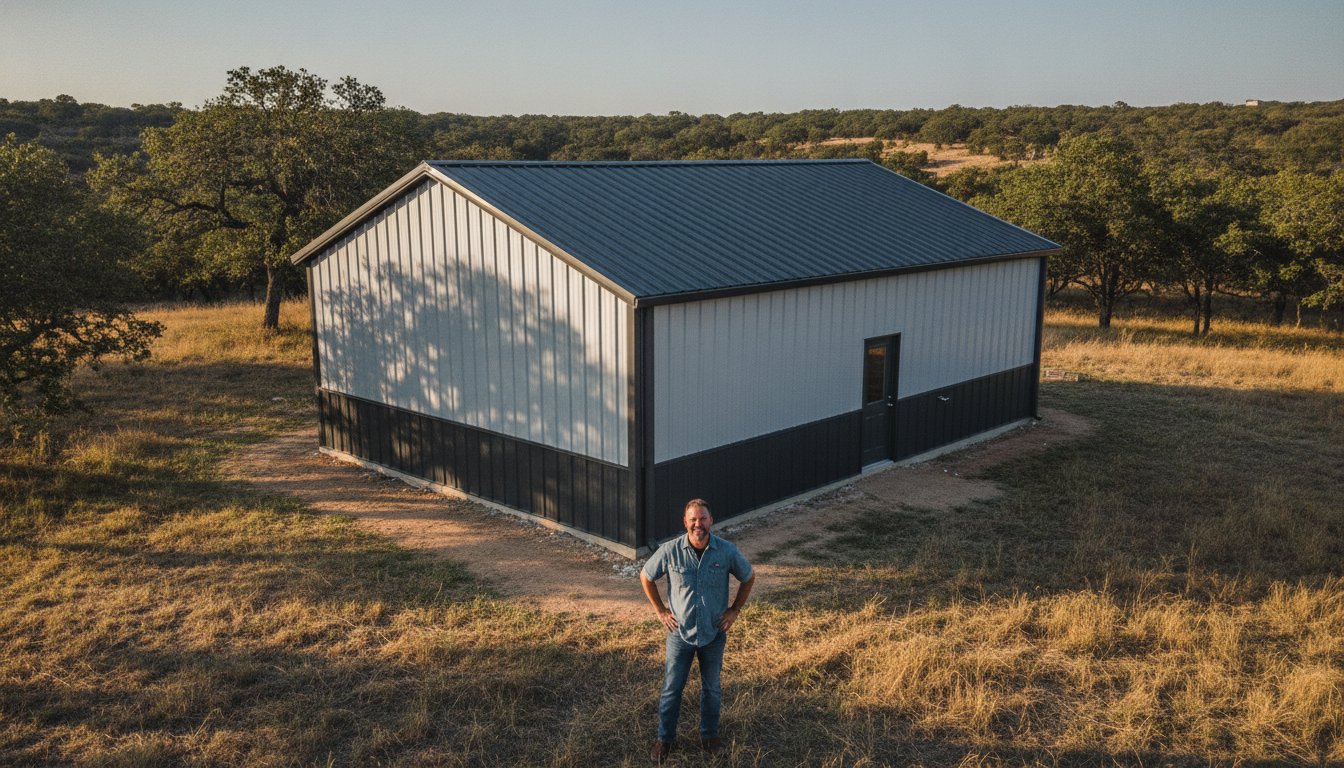
The “Texas Ranch” look remains a staple because it utilizes earth tones that mask the dust and limestone soil common in Erath County. Combining Burnished Slate or Koko Brown roofs with Light Stone walls creates a traditional, high-end appearance that never feels out of place. For modern steel framed homes, many owners now opt for high-contrast schemes like Polar White siding with Matte Black or Charcoal trim. This “modern farmhouse” style provides a clean, sophisticated profile that stands out against the green of a coastal hay field.
Functionality often dictates design in our region. We frequently recommend adding wainscoting, which is a different colored panel on the bottom three or four feet of the wall. This serves two purposes:
- Protection: It hides the mud splatter from heavy rains and resists dents from weed eaters or equipment.
- Aesthetics: It breaks up the vertical plane of large buildings, making them appear more proportional and grounded.
Integrating Stone and Masonry
One of the most effective ways to elevate a steel structure is to integrate natural Texas stone. Unlike generic kits, our weld-up buildings provide the structural flexibility needed to transition from steel panels to heavy masonry. Matching your metal siding color to the mortar or the dominant highlights in Austin stone or local limestone creates a seamless, custom look. If your stone has tan or cream undertones, a Light Stone or Ash Gray panel often provides the best visual bridge.
The durability of these color combinations relies on industrial-grade application. According to the National Coil Coating Association, the process of factory-applying these finishes ensures a uniform thickness and superior bond that cannot be replicated with field painting. This technical precision is what allows a two-tone scheme to maintain its crisp lines despite decades of exposure to the elements. Coordinating your trim and roof colors with these masonry elements ensures your building package looks like a permanent legacy project rather than a temporary addition.
Technical Specifications: Coatings and Gauges
The longevity of your metal building color options depends entirely on the technical chemistry of the coating and the thickness of the steel beneath it. While two panels may look identical on the day of delivery, their performance over the next twenty years is dictated by their specifications. In the Dublin area, where thermal expansion and high UV exposure are constant, these technical details determine whether your building maintains its professional finish or begins to show its age through fading, chalking, or structural waving.
SMP vs PVDF Coating Systems
Most standard steel buildings utilize Silicone Modified Polyester (SMP) coatings. These are durable, cost-effective, and provide excellent hardness against debris and physical impact. However, for those seeking the highest level of color retention, Polyvinylidene Fluoride (PVDF), often known as Kynar 500, is the premium choice. PVDF coatings offer superior protection against chemical aging and the intense solar radiation found in Central Texas. Because PVDF resists the breakdown of paint resins more effectively than SMP, it is the best coating for the harsh Texas sun to ensure dark colors don’t fade prematurely. As of 2026, many standard colors carry a 40-year limited paint warranty, but you should be aware that vibrant pigments like Crimson Red may only offer a 3-year warranty due to their susceptibility to UV damage.
Selecting the Proper Steel Gauge
The gauge of the steel refers to its thickness; the lower the number, the thicker the metal. At Bradberry Steel, we prioritize 26-gauge high-quality steel panels for our building packages. While some budget providers use thinner 29-gauge material, 26-gauge steel is the preferred thickness for commercial storage facilities and heavy-duty workshops. Thicker panels provide several critical advantages:
- Oil Canning Resistance: Thicker steel is less prone to “oil canning,” which is the visible waviness that can occur in the flat areas of metal panels.
- Impact Durability: 26-gauge panels resist denting from hail and equipment strikes far better than lighter alternatives.
- Structural Integrity: The increased thickness allows for tighter seals at the laps, preventing leaks over decades of service.
Underneath the paint, a Galvalume coating provides the primary defense against rust and corrosion. This zinc and aluminum alloy creates a sacrificial barrier that protects the steel core even if the paint is scratched. When you combine a high-quality Galvalume base with a 26-gauge panel and a premium paint system, you create a structure that stands as a permanent asset on your property. If you are ready to see how these specifications fit your project, you can request a custom quote to get detailed information on our current steel packages.
Visualizing Your Project with Bradberry Steel
The transition from a technical blueprint to a physical structure on your property is the most critical phase of your project. You shouldn’t have to guess how your chosen metal building color options will look once the 26-gauge panels are installed. Visualization is the bridge that connects your requirements with a finished product that complements the Erath County landscape. By seeing the colors in a digital environment first, you eliminate the risk of a palette that clashes with your existing home or the natural tones of the Texas brush.
Using the 3D Design Tool
We provide a professional 3D design tool that allows you to build your project virtually before a single bolt is turned. This interface lets you experiment with different wall, roof, and trim combinations in real time. It’s the best way to see how wainscoting adds a protective and decorative layer to the base of your building. You can test high-contrast modern farmhouse looks or subtle earth tones to ensure they match the aesthetic of your property. Visualizing the building in 3D ensures that the scale and color of the structure feel proportional to the surrounding environment, saving you from costly aesthetic mistakes.
Finalizing Your Building Package
Once you’ve settled on a design, you should consult our current color guide to verify availability for 2026. This guide provides the specific light reflectance values and technical ratings we discussed in previous sections. If your project includes a home, you can coordinate your shop’s siding with our residential metal roofs for a cohesive, uniform appearance across your entire acreage. This level of coordination is what separates a standard kit from a custom steel building package designed for longevity.
Our team brings over 25 years of Texas steel expertise to every project. We understand the specific challenges of building in Dublin and the surrounding areas, from soil conditions to extreme heat. When you are ready to move from visualization to reality, the next step is to request a quote for your custom package. We provide straightforward, transparent pricing for complete pre-engineered and weld-up steel buildings. Working with a local, family-owned supplier ensures that your materials are suited for the regional climate and delivered with the reliability your project deserves.
Build Your Texas Legacy with Confidence
Your building is more than just a storage space; it’s a permanent addition to your land that must withstand the specific demands of the Cross Timbers region. By now, you understand that evaluating metal building color options is about balancing thermal efficiency with industrial-grade durability. Whether you choose a high-SRI light tone for maximum cooling or a rugged wainscoting to protect your siding, the right choice ensures your structure remains a low-maintenance asset for decades. We’ve detailed how 26-gauge steel and advanced coating systems provide the necessary defense against the relentless Texas sun.
As a family-owned and operated business in Dublin, TX, Bradberry Steel brings over 25 years of Texas steel supply experience to your project. We offer expert guidance on both pre-engineered and weld-up systems to ensure your building package meets your exact requirements. Don’t leave your project’s final appearance to chance. Start designing your custom steel building today and secure a structure that reflects your hard work and regional pride. We look forward to helping you build something that lasts.
Frequently Asked Questions
What is the most durable color for a metal building in Texas?
Lighter colors like Polar White and Light Stone are the most durable choices for the Texas climate. These shades possess higher Solar Reflectance Index (SRI) values, which means they absorb less heat and experience slower chemical degradation from UV exposure. While darker colors are engineered for longevity, light neutrals naturally resist the fading and chalking that can occur on more vibrant pigments over decades of exposure.
Does a dark roof make my metal building hotter in the summer?
A dark roof will absorb more thermal energy, potentially increasing internal temperatures by up to 50°F on sunny afternoons compared to highly reflective surfaces. However, modern 2026 infrared reflective pigments allow mid-tone colors like Burnished Slate to perform better than traditional dark paints. To maintain efficiency, choose a color with a high SRI rating or ensure your insulation package is sufficient to offset the increased heat gain.
What is the difference between SMP and PVDF paint finishes?
Silicone Modified Polyester (SMP) is the industry standard for durability and cost-effectiveness, while Polyvinylidene Fluoride (PVDF) is a premium finish known for superior color retention. PVDF coatings provide the best protection against the intense solar radiation found in Central Texas. If you are selecting bold metal building color options like deep reds or greens, PVDF is recommended to prevent the premature fading and chalking often seen in high-heat regions.
Can I use two different colors for my siding and trim?
You can absolutely use different colors for your siding and trim to create a professional, finished appearance. Most owners choose a neutral shade for the main walls and a darker, contrasting color for the trim, gutters, and downspouts. This high-contrast approach, such as Polar White walls with Charcoal trim, defines the building’s architectural lines and is a staple of modern Texas ranch and farmhouse designs across Erath County.
Is 26-gauge steel better for holding color than 29-gauge?
26-gauge steel is superior for maintaining a consistent color appearance because its thickness resists oil canning or surface waviness. Thinner 29-gauge panels are more prone to minor structural ripples that catch the light unevenly, making the paint look distorted or blotchy from certain angles. We supply 26-gauge panels to ensure the finish remains flat and professional, reflecting light uniformly across the entire surface of your building package.
How do I prevent my metal siding from fading in Erath County?
Preventing fade in Erath County requires selecting a high-performance paint system with a long-term UV warranty and industrial-grade resins. Avoid budget coatings that lack these stabilizers, as they will chalk and dull within a few years of exposure to the intense sun. Additionally, occasionally rinsing your siding with water removes abrasive dust and limestone particles that can trap heat and accelerate the degradation of the paint’s protective topcoat.
What is wainscoting on a metal building and why is it used?
Wainscoting is a secondary panel color applied to the bottom three or four feet of your building’s exterior walls. It is primarily used to protect the lower portion of the structure from mud splatter, moisture, and impact from equipment like weed eaters. Beyond its functional benefits, wainscoting adds a decorative element that breaks up the vertical plane, making large shops or barns appear more grounded and proportional to the landscape.
Can I match my metal building color to my existing house?
You can match your new steel structure to an existing house by coordinating your metal building color options with your home’s siding, trim, or roofing. While an exact match to traditional materials like brick or wood may vary, selecting a complementary neutral tone often creates a cohesive look across your property. Using our 3D design tool allows you to visualize these combinations alongside your current home to ensure the final result is seamless.
Disclaimer
Bradberry Steel is a steel supply and metal building package company based in Dublin, Texas. We do not provide installation, site preparation, foundation work, or general contracting services. All building projects should be reviewed by a qualified local contractor and may require permits depending on your county or municipality. Contact Bradberry Steel for product guidance and material quotes.