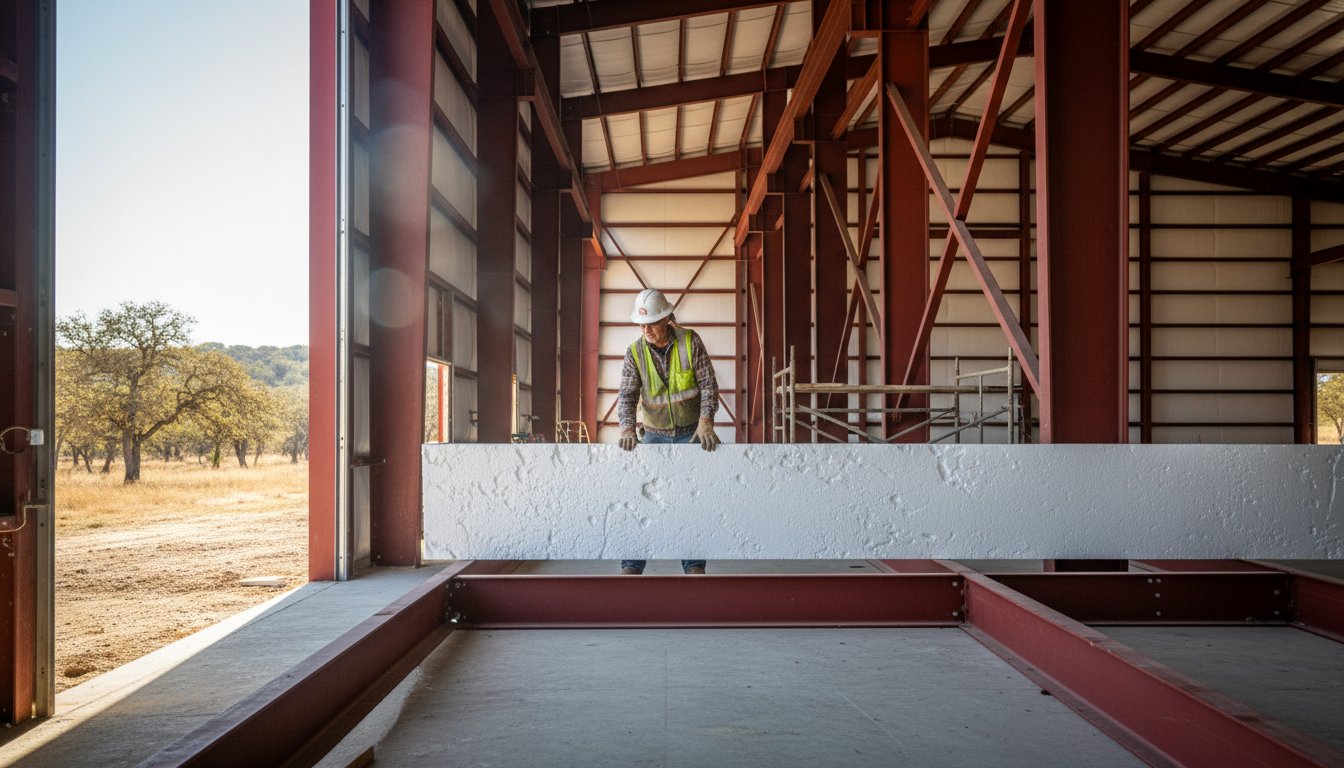
A standard steel building without high-quality building insulation can reach internal temperatures 20 degrees hotter than the outside air during a Central Texas July. When the humidity climbs in the Brazos Valley, that same structure often faces “sweating” issues that lead to premature rust and ruined equipment. You worked hard to invest in a structure that lasts, but the Texas sun and moisture are constant threats to your property.
We agree that a workshop should be a place of productivity, not a stifling furnace or a damp storage unit. According to the U.S. Department of Energy, high-quality insulation can reduce heating and cooling costs by an average of 15% annually. This guide provides the most effective building insulation strategies to keep your steel structure cool, dry, and energy-efficient year-round. We will explore the best materials for our specific climate and how to ensure your building remains a comfortable, low-maintenance asset for the next 25 years. Bradberry Steel is here to help you select the right materials to protect your investment for the long haul.
Key Takeaways
- Learn why specialized insulation is necessary to stop condensation and regulate heat transfer in Texas steel structures.
- Evaluate the differences between fiberglass batts and rigid foam board to determine which material offers the best long-term durability.
- Discover the specific R-value requirements needed to keep your project comfortable in local areas like Stephenville and Brownwood.
- Identify the most effective building insulation strategies to protect your investment while staying within your project budget.
- Find out how a complete steel building package from Bradberry Steel simplifies the process of selecting the right thermal protection.
The Role of Building Insulation in Central Texas Steel Structures
Effective building insulation works as a complete system to regulate heat transfer and manage moisture levels within a structure. For steel buildings in Dublin and Stephenville, this system is not just an optional upgrade. It is a fundamental requirement for long-term durability. Steel is a high-performance material, but it reacts quickly to external temperatures. Without a proper barrier, your metal workshop or barn becomes an oven during the peak of July. Bradberry Steel provides the heavy-duty materials required for these environments, and we understand that a building is only as good as its climate control.
The Texas sun hits uninsulated metal roof panels with intense radiation. On a 100-degree day in Erath County, an uninsulated roof surface can reach temperatures exceeding 150 degrees. This heat transfers directly into the building interior through the conductive metal. Proper building insulation stops this cycle before it starts. It also protects the structural steel components themselves. Extreme temperature swings cause metal to expand and contract. Over several decades, this constant movement stresses fasteners and joints. Insulation stabilizes the internal environment, which extends the life of the frame and maintains the integrity of the fabrication.
Combating the Central Texas Heat
Radiant heat gain is the primary challenge for metal buildings in the Brazos Valley. When the sun beats down on a metal roof, the energy moves through the panel and radiates downward into the workspace. This is different from simple air temperature; you feel it as a heavy, oppressive heat coming off the ceiling. Residents in Dublin must prioritize cooling efficiency over heating. While winter nights in North Central Texas get cold, the cooling season lasts significantly longer. A well-insulated building maintains a steady internal temperature that provides seasonal comfort for people and livestock. It also offers structural protection by preventing the condensation that leads to rust on secondary framing like purlins and girts.
The Importance of Thermal Breaks
Steel conducts heat approximately 400 times faster than wood. This physical property makes steel buildings prone to a phenomenon known as thermal bridging. Thermal bridging is the movement of heat through highly conductive materials like steel. When heat bypasses your insulation through the steel frame, the efficiency of the entire system drops. Installing a thermal break prevents this energy loss. It creates a physical gap that stops the flow of heat from the exterior skin to the interior frame. This keeps your shop cooler and protects your investment from the harsh Texas climate.
If you are ready to start your next project, you can use our 3D design tool to visualize your structure or request a quote for a complete steel building package today.
Comparing Building Insulation Types for Metal Kits
Selecting the right building insulation determines the long-term performance and comfort of your steel structure. Metal is a highly conductive material. Without a proper thermal break, your workshop or barn will bake in the summer and freeze in the winter. Most prefabricated steel buildings require a specific approach to insulation that accounts for the unique way steel frames handle heat transfer and moisture.
Fiberglass Blanket Insulation
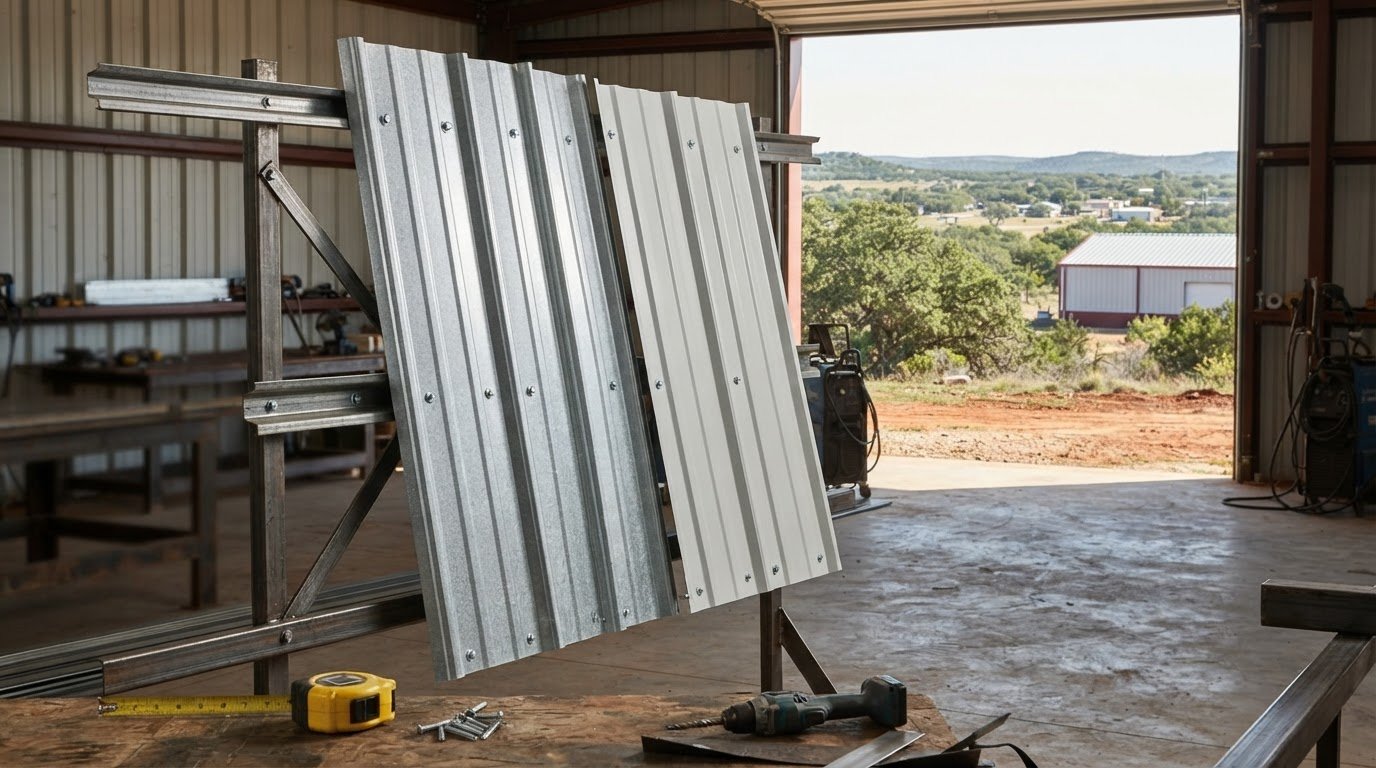
Vinyl-backed fiberglass is a standard choice for pre-engineered steel building kits. It is exceptionally cost-effective for large agricultural structures in Erath County where covering vast square footage is the primary goal. The white vinyl facing acts as a vapor retarder and provides a clean, finished look for the interior. You must install this material during the erection process. The blankets are pulled over the purlins before the metal roof and wall sheets are fastened. This method ensures the insulation is compressed at the attachment points, which creates a necessary thermal break. For more technical details on R-values and material performance, you can review insulation guidance from the Department of Energy to see how different thicknesses impact energy loss.
Spray Foam and Rigid Board Solutions
Spray foam offers an airtight seal that is hard to beat for climate-controlled workshops. Closed-cell foam is the superior option for moisture control in the humid Texas climate. It becomes rigid when cured and adds measurable structural strength to the wall panels. Open-cell foam is more affordable but lacks the same density and moisture resistance. For those building steel framed homes, rigid foam boards are a smart alternative. These boards provide a high R-value per inch of thickness. They fit tightly between the steel studs to prevent thermal bridging. This setup keeps residential interiors comfortable and reduces the load on your HVAC system.
Radiant Barriers and Reflective Foil
Texas heat is relentless and requires a specific defense. Radiant barriers are a staple for aircraft hangar solutions in Dublin and across the Brazos Valley. This material uses a reflective surface to block up to 97 percent of radiant heat from the sun. It does not work like traditional building insulation that slows conductive heat; instead, it reflects the heat back toward the source. This keeps the interior of the hangar significantly cooler for pilots working on their aircraft during the afternoon. It is a lightweight, durable solution that handles the high-temperature environment of a metal roof without degrading over time.
If you are ready to start planning your structure, you can use our 3D design tool to visualize your building and determine the best layout for your insulation needs.
Managing Condensation and R-Values in Dublin TX
Texas weather presents a unique challenge for steel structures. In Dublin and the surrounding Erath County area, high humidity levels often collide with rapid temperature shifts. This environment creates the perfect conditions for metal buildings to “sweat.” When moisture collects on your steel frames and panels, it does more than just drip on your equipment. It creates a long term risk for structural rust and mold growth. Proper building insulation is the only way to stabilize the internal environment and protect your investment.
The geography of Central Texas also dictates your insulation strategy. While Brownwood and Weatherford are only about 70 miles apart, they often fall under different local building code interpretations regarding energy efficiency. Weatherford sits closer to the DFW metroplex, where stricter energy codes frequently require higher R-values for commercial and residential structures. Brownwood projects might prioritize heat reflection over thick thermal mass. Understanding these local nuances ensures you don’t overspend on materials you don’t need or fail an inspection because your R-value is too low.
Stopping the Sweat: Vapor Barriers
A vapor barrier is your first line of defense against moisture. Condensation occurs when warm moist air hits a cold metal surface. In a Texas summer, the humid outside air wants to move toward the cooler, conditioned air inside your building. Without a barrier, this moisture reaches the steel panels and liquefies. Bradberry Steel recommends using high quality facing materials like WMP-50 or reinforced polypropylene. These materials are designed to withstand the high heat and humidity of the Brazos Valley without degrading.
For a vapor barrier to work, it must be continuous. Any gap in the facing or a poorly sealed seam allows moisture to bypass the insulation entirely. This leads to “hidden” condensation behind the blankets, which is the primary cause of rust in red iron buildings. Use heavy duty insulation tape on every joint to create a seamless envelope.
Determining the Right R-Value
R-value measures the thermal resistance of your building insulation. For commercial storage facilities in Central Texas, an R-19 roof and R-13 walls are common standards. These ratings provide a solid balance between cost and climate control. If you are planning a workshop or a space where people will work daily, increasing to R-30 in the ceiling can significantly reduce cooling costs during July and August.
- Clearance Balance: Thicker insulation provides better R-values but takes up more interior space. In a red iron building, 6-inch thick fiberglass is standard, but going thicker may require longer go-to bolts and specialized thermal blocks.
- Structural Integrity: Never compress your insulation to make it fit. Squeezing a 6-inch blanket into a 3-inch cavity can reduce its effectiveness by more than 50 percent.
- Roofing Performance: High quality insulation directly improves the lifespan of residential metal roofs by preventing the constant expansion and contraction caused by extreme temperature swings.
Choosing the right package requires a clear understanding of your building’s end use. Whether you are sheltering livestock or storing vintage cars, the insulation must match the mission. You can explore different configurations and see how they fit your project by using the 3D design tool at Bradberry Steel or contacting us for a detailed quote.
Planning Your Insulation Strategy for a New Project
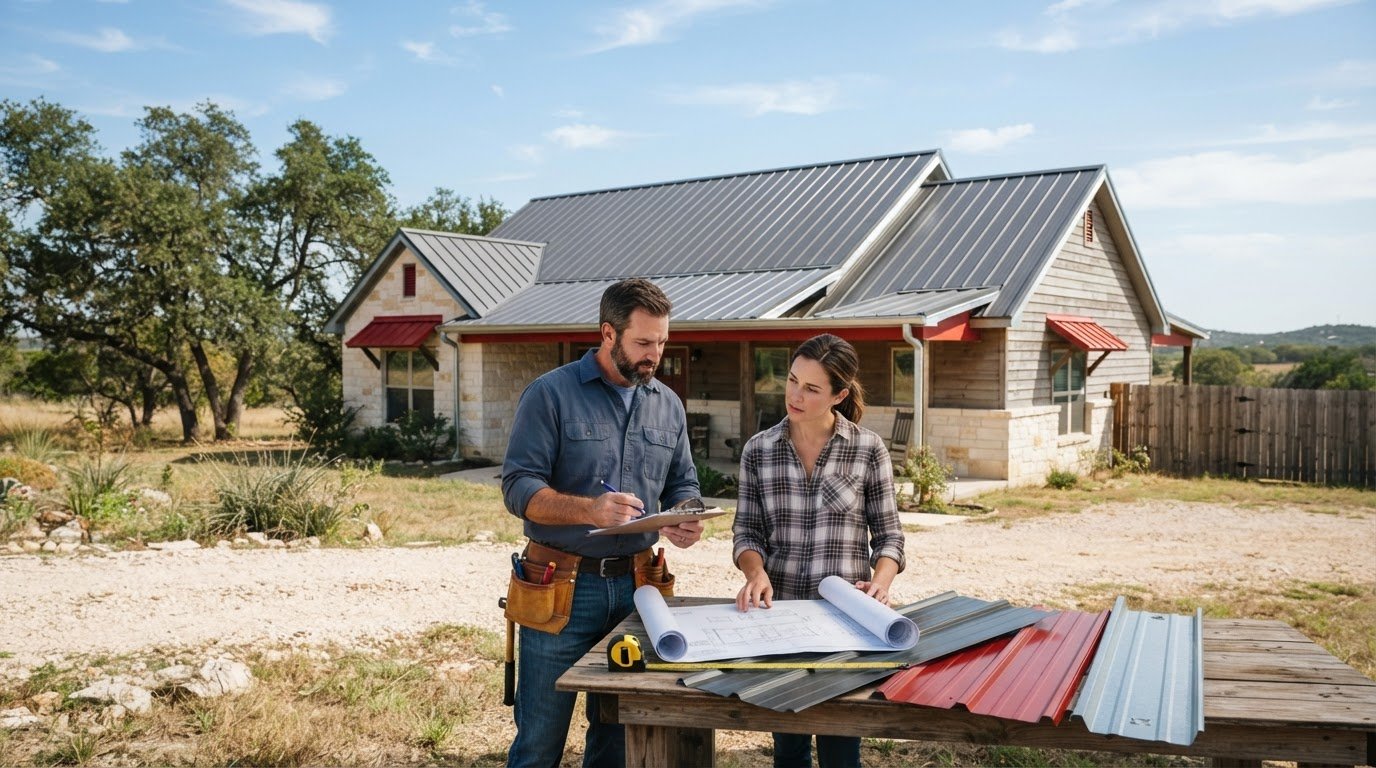
Success in a steel project starts long before the first bolt is tightened. You must define the purpose of your structure to choose the right building insulation. A warehouse used for dry storage has different thermal requirements than a retail space or a residential shop. Planning these details early ensures your material package remains cost-effective and functional. Bradberry Steel provides the high-quality components you need to protect your investment from the unpredictable Texas weather.
Budgeting for insulation should happen during the initial quote phase. Integrating these costs into your total package prevents financial surprises later in the build. It also allows for coordinated delivery. Having your insulation arrive alongside your steel building kit keeps the project moving without downtime. This synchronization is a hallmark of a well-managed Central Texas job site. It ensures that materials are protected from the elements and ready for immediate installation as the frame goes up.
Ensuring your foundation is ready is another critical step. An insulated structure often requires specific slab edge detailing to prevent thermal bridging. You should prepare your site with the final weight and thickness of your wall systems in mind. This foresight prevents moisture issues and structural misalignment during the erection process. A solid foundation is the literal and figurative base of a durable building.
Use-Case Specific Recommendations
Your specific application dictates your insulation strategy. For climate-controlled self-storage facilities in Granbury, high R-value building insulation is mandatory to protect tenant goods from the humidity of the Brazos Valley. If you are building a farm workshop for year-round maintenance, you need a solution that keeps the space workable during July heat and January freezes. Proper site prep is vital. You should review the Metal Building Foundation Guide to ensure your slab is ready for an insulated, heavy-duty structure.
The Design Phase
Precision in the design phase eliminates waste. You can use a steel building design tool to visualize your space and plan for wall thickness. You must also account for the weight of the insulation in your structural calculations. While fiberglass blankets are light, specialized rigid board systems add weight that the primary frame must support. Addressing these factors during the quote stage saves money. It allows for accurate structural detailing and prevents the need for expensive field modifications. A disciplined approach to planning ensures your structure stands strong for decades.
Ready to start your project? You can utilize our 3D design tool to plan your building today.
Completing Your Bradberry Steel Building Package
Selecting the right building kit in Dublin requires more than just picking a floor plan. Our team works with you to ensure every component meets the heavy demands of the Central Texas climate. We help you move from a basic design concept to a fully realized structure. This process includes selecting the best building insulation to protect your inventory, livestock, or equipment from 100-degree summer days. Proper planning at this stage prevents moisture issues and high energy costs later.
Local expertise is vital for success in our region. Texas weather is unpredictable; high winds and intense UV exposure can degrade inferior materials quickly. Sourcing your steel locally means you receive components designed for these specific environmental stressors. We focus on providing the structural bones and precision-engineered materials needed for a lifetime of use. Our 25 years of experience in the Brazos Valley ensures your package is complete and ready for a smooth assembly process.
Quality Steel Components
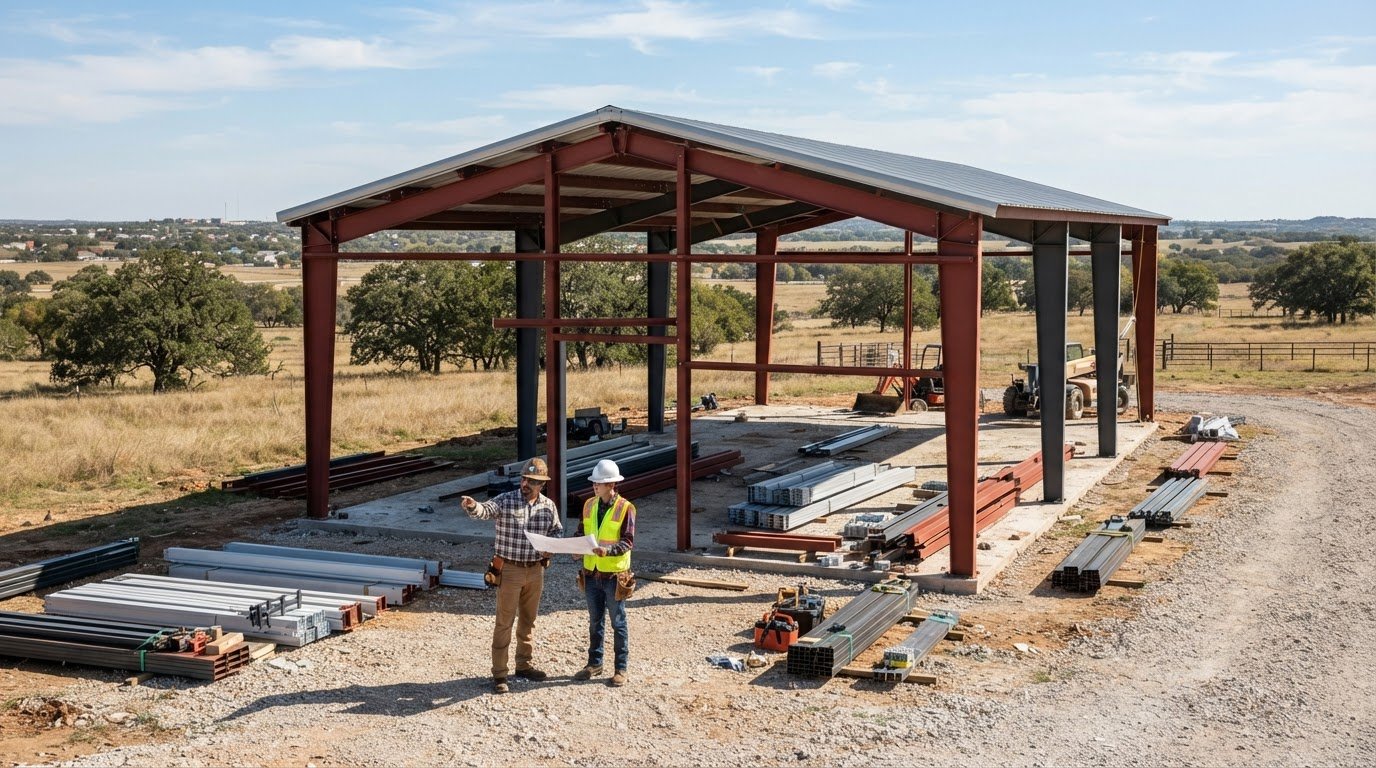
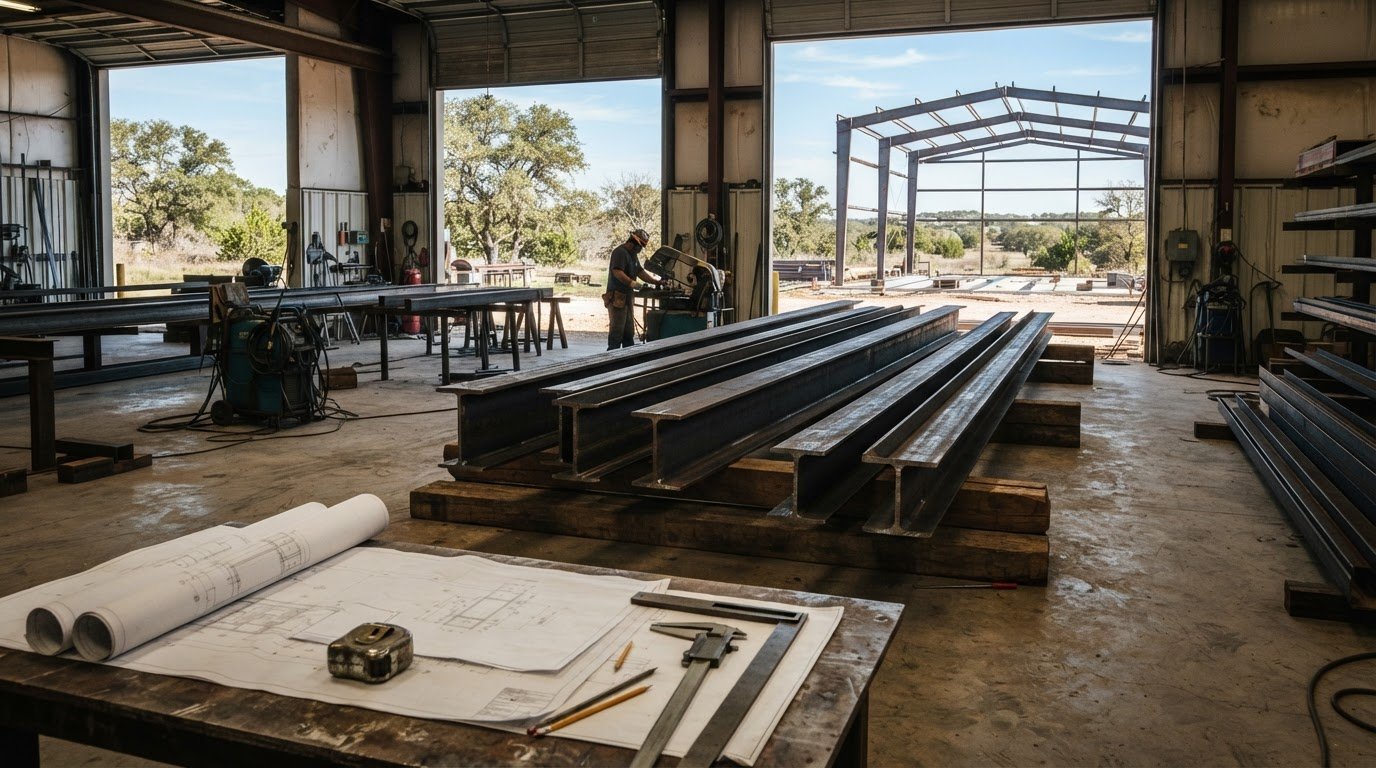
We provide the heavy-duty structural bones for your project. Our focus remains on high-grade fabrication and precision detailing for every beam and purlin. Durable materials are essential for any insulated project to maintain its thermal efficiency over time. If the frame isn’t right, the building insulation won’t perform as intended. You can learn more about sourcing materials in our Dublin and Central Texas Supply Guide. We prioritize integrity in our steel so your building remains a low-maintenance asset for decades.
- Precision-cut structural steel for exact fitment
- Durable coatings to resist Texas sun and rain
- Components engineered for specific local wind loads
- Compatibility with various high-performance insulation systems
Next Steps for Your Project
Moving from the design phase to material delivery is a straightforward process with our team. We provide a clear transition that keeps your project on schedule. You can start by visualizing your structure using our interactive tools. We provide the complete steel package, and you manage the site preparation and final assembly. This clarity helps you stay within your budget while ensuring you receive a professional-grade building.
Ready to start your build? Use our 3D design tool to plan your layout and see your vision take shape. For a detailed breakdown of your specific steel package, you can request a comprehensive quote today. We are proud to be a reliable partner for builders in Dublin and Stephenville who value hard work and structures that last.
Protect Your Investment with the Right Thermal Strategy
Selecting the right building insulation is a vital step in protecting your investment from the intense Central Texas heat and humidity. A well-insulated structure effectively manages condensation and maintains stable interior temperatures, which extends the life of your steel kit. Whether you’re building in Dublin or the surrounding Brazos Valley, getting your R-values right from the start prevents moisture issues. Bradberry Steel brings over 25 years of Texas steel expertise to every project. We’re a local family-owned and operated business in Dublin, TX, dedicated to providing precision-engineered steel building packages that meet rigorous standards. Our team focuses on delivering the structural materials and guidance you need to build with confidence. You can start planning your project right now by exploring different layouts and configurations. Design your custom Texas steel building today with our 3D tool to see how quality materials and smart planning come together. We’re ready to help you build something that stands the test of time.
Frequently Asked Questions
What is the best insulation for a metal building in Texas?
Radiant barrier and closed-cell spray foam are the top choices for managing the intense Texas heat. Radiant barriers reflect up to 97 percent of solar heat away from the structure, which keeps the interior manageable during 100-degree summer days. Closed-cell foam adds structural rigidity and provides a superior moisture seal. It is a reliable choice for any insulation project in the Lone Star State.
How do I stop my metal building from sweating?
You stop a metal building from sweating by installing a high-quality vapor barrier and ensuring proper ventilation. Condensation forms when moist air touches cold steel surfaces. Using a 6-mil polyethylene barrier or vinyl-faced fiberglass prevents this moisture from reaching the metal panels. Ridge vents and louvered fans also help by circulating air; this balances internal and external temperatures to keep your equipment dry.
Does a steel building need a vapor barrier in Central Texas?
Every steel building in Central Texas requires a vapor barrier to protect against high humidity. The average humidity in regions like the Brazos Valley often hits 80 percent in the morning hours. Without a barrier, this moisture clings to the frame and causes dripping. A properly installed barrier keeps the interior dry. It protects your structural components and inventory from water damage throughout the year.
Can I add insulation to a metal building after it is built?
You can definitely add building insulation to a metal structure after the initial construction is finished. Spray foam is the most effective retrofit option because it adheres directly to the existing wall and roof panels. Rigid foam boards are another solid choice for DIY projects. These boards fit between the girts and purlins to provide a clean, finished look inside your shop, barn, or warehouse.
What R-value do I need for a workshop in Dublin, TX?
A workshop in Dublin, Texas, should aim for an R-value of at least R-13 in the walls and R-30 in the ceiling. These targets align with the 2021 International Energy Conservation Code for Climate Zone 3. Meeting these standards ensures your climate control system doesn’t work overtime. High R-values keep the space comfortable for year-round work and help reduce your long-term energy expenses significantly.
Is spray foam better than fiberglass for steel buildings?
Closed-cell spray foam offers better air sealing and a higher R-value per inch than traditional fiberglass batts. Spray foam expands to fill every gap in the steel frame; this eliminates drafts and strengthens the overall structure. Fiberglass remains a popular, budget-friendly choice for many owners. It works well when paired with a heavy-duty vinyl facing to prevent sagging. This combination provides a dependable thermal barrier.
How much does it cost to insulate a 40×60 metal building?
The cost to insulate a 40×60 metal building varies based on the material thickness and local labor rates. Industry data from 2023 suggests that professional spray foam applications generally range between 1.50 and 4.50 dollars per square foot of surface area. Fiberglass blankets are typically more affordable. You should calculate the total surface area of your walls and roof to get an accurate estimate for your specific building kit.
Will insulation prevent rust in my steel structure?
Insulation prevents rust by eliminating the condensation that leads to oxidation on steel surfaces. When you keep the metal dry, you stop the chemical reaction that creates rust. Quality building insulation acts as a shield between the humid air and the structural components. This protection extends the lifespan of your building. It maintains the integrity of the primary frames and keeps the structure looking new.
Bradberry Steel is your primary resource for high-quality prefabricated steel building packages and project guidance. Use our 3D design tool to start planning your structure today. You can also request a quote to see how our steel solutions provide a durable, low-maintenance option for your property.
Disclaimer
Bradberry Steel is a steel supply and metal building package company based in Dublin, Texas. We do not provide installation, site preparation, foundation work, or general contracting services. All building projects should be reviewed by a qualified local contractor and may require permits depending on your county or municipality. Contact Bradberry Steel for product guidance and material quotes.