The lowest upfront price for a new workshop or barn might actually be your most expensive mistake. Choosing between weld-up vs pre-engineered steel buildings is a decision that dictates the lifespan of your property and your peace of mind. You need a structure that handles heavy Texas winds and meets the 2021 International Building Code standards now required across the state. Settling for a non-engineered design in a regulated area can lead to costly delays or even forced teardowns.
It is common to feel frustrated by conflicting advice on labor costs and structural integrity. You want a building that lasts for generations without the stress of engineering failures or permitting red tape. This guide breaks down the critical differences in durability, cost, and assembly for both systems. We will show you how to select the right steel solution for your specific Texas acreage or commercial site.
Bradberry Steel stands as a dependable resource for those ready to start their project. We supply high-quality red iron components and pre-engineered packages from our home base in Dublin, Texas. Understanding these two building methods ensures you invest your money into a structure that stays as solid as the ground beneath it.
Key Takeaways
- Understand the core differences between on-site fabrication and factory-ready kits to determine which fits your property.
- Learn why pre-engineered systems are often required for residential and commercial permits to meet 2021 Texas building codes.
- Compare the labor requirements for weld-up vs pre-engineered steel buildings to better manage your project timeline and contractor budget.
- Evaluate the long-term value of engineered kits versus the lower initial material costs of raw red iron components.
- Discover which building method offers the best protection against high winds and extreme weather common in Central Texas.
Understanding the Fundamentals: Weld-Up vs. Pre-Engineered Steel
Texas weather does not go easy on structures. Whether you are putting up a small workshop in Erath County or a massive commercial warehouse, the debate between weld-up vs pre-engineered steel buildings usually comes down to how much control you want over the construction process. Bradberry Steel has spent over 25 years supplying the materials for both, helping owners decide based on their specific land and local codes. We act as a dedicated partner for sourcing the raw steel or the complete kits you need to get the job done right.
A weld-up building is a structure where every piece is measured, cut, and joined by a welder right on your property. In contrast, a pre-engineered steel building (PEMB) is a prefabricated building system where components are manufactured in a factory and arrive at your site ready to be bolted together. Both methods utilize durable materials like C-purlins and I-beams, but the way those materials are handled determines the final strength and cost of the project. Bradberry Steel provides the specialized weld-up components and full pre-engineered metal building packages required for either path.
The Anatomy of a Weld-Up Building
Weld-up construction starts with a delivery of raw red iron. This delivery typically includes bundles of C-purlins, square tubing, and metal sheeting. There are no pre-drilled holes or custom-cut lengths. The project success depends entirely on the expertise of the field welder. This professional must possess the skill to ensure every joint is square and every weld is deep enough to hold under pressure. This method is a staple for Central Texas ranchers building hay barns, equipment sheds, or livestock fences. It allows for on-site adjustments as the terrain or needs change during the build.
The Anatomy of a Pre-Engineered System
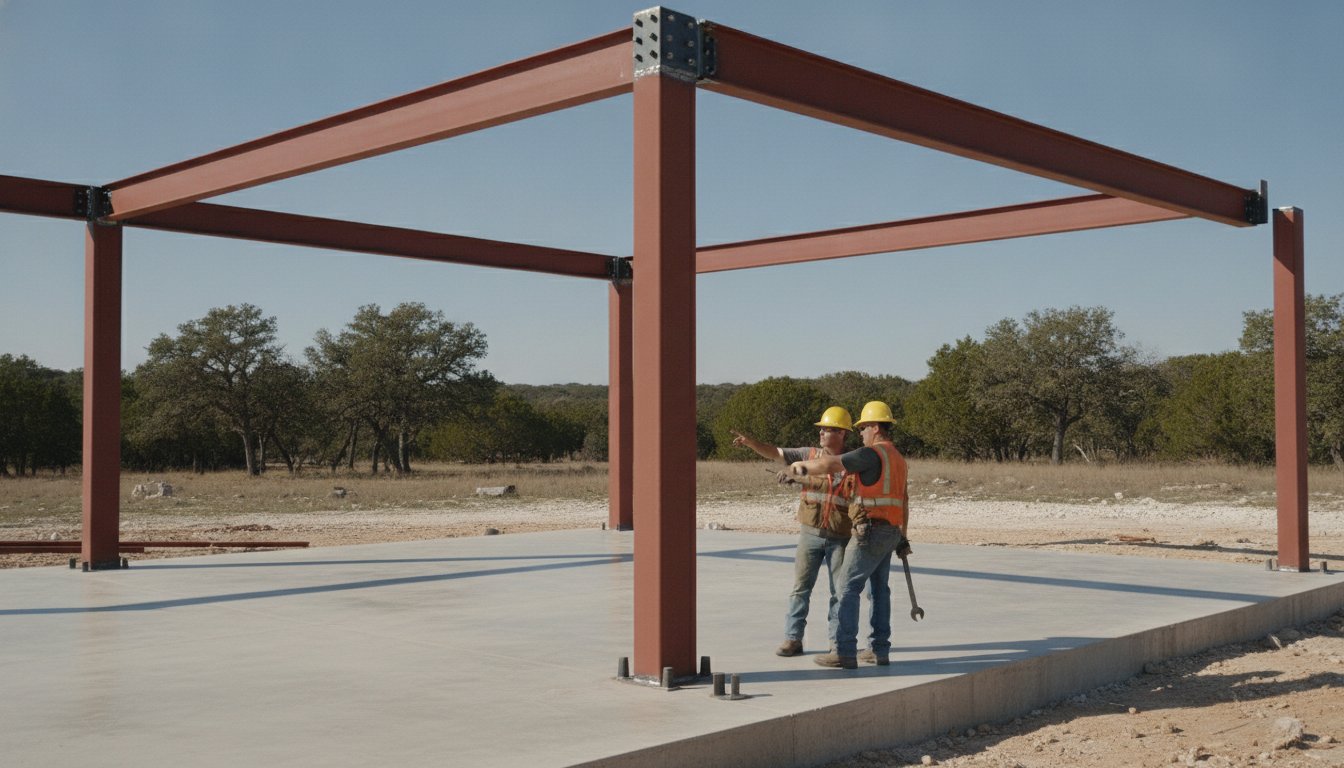
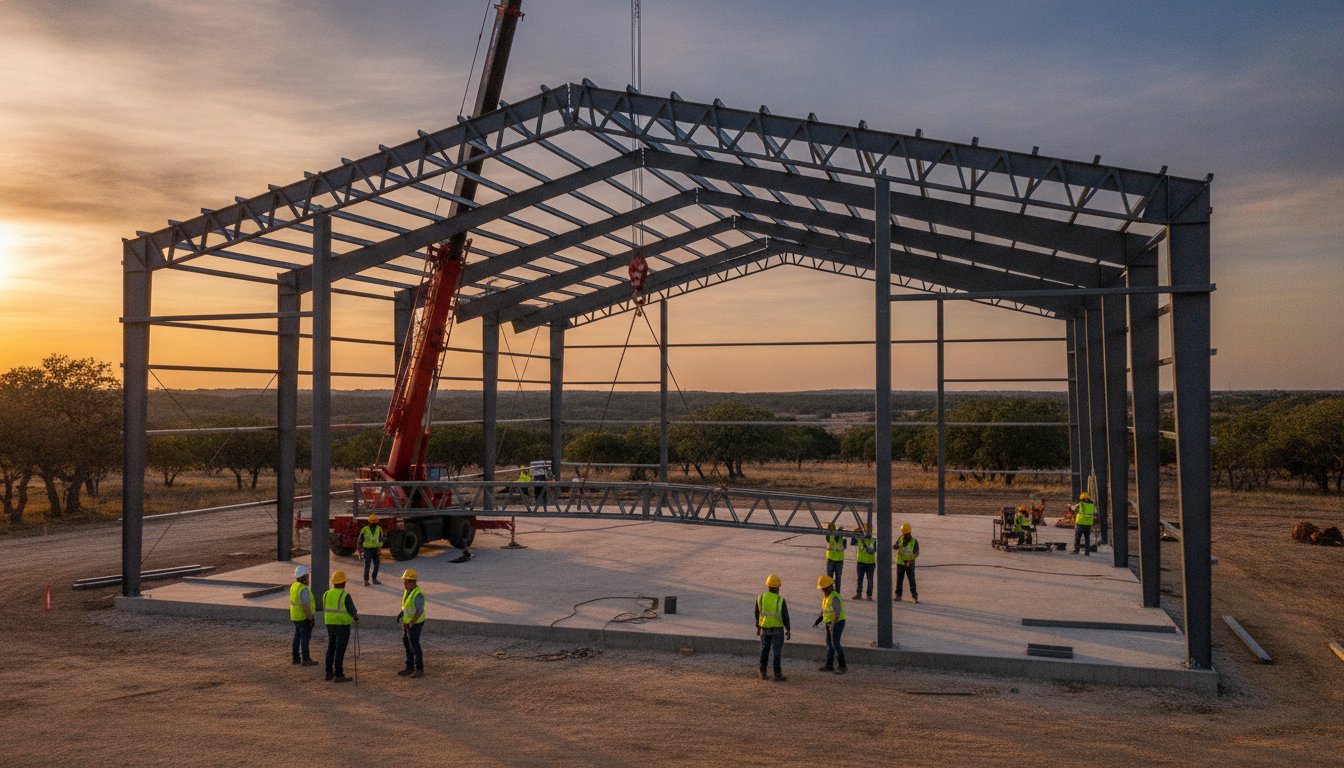
A pre-engineered system is a complete kit designed by engineers before the first piece of steel is even touched. Every column, rafter, and purlin is cut to the exact inch at the factory. These parts arrive with pre-punched holes and clear markings that match a set of blueprints. Instead of a welding torch, the primary tool for assembly is a heavy-duty impact wrench. Because these buildings are engineered to meet specific wind and snow load requirements, they offer a level of certified structural integrity. This certification is often mandatory for commercial storage facilities, aircraft hangars, or residential homes in regulated areas.
Engineering Standards and Structural Integrity in Texas
Texas wind is a force that tests every joint and anchor bolt. In high-wind regions like Erath County, structural integrity is not just a preference; it is a safety requirement. When evaluating weld-up vs pre-engineered steel buildings, the primary difference lies in the paperwork. A weld-up structure is built based on traditional field practices. While often sturdy for simple agricultural sheds, it lacks the formal documentation required by modern authorities in growing counties.
The state of Texas now requires compliance with the International Building Code for most industrialized buildings. Pre-engineered systems are designed using rigid frame technology. This specific engineering allows for massive clear spans without the need for interior support columns. This is essential for aircraft hangars or large commercial warehouses where open floor space is a priority. Without these calculations, you may find the permitting process for a weld-up building in a city or regulated county to be a significant hurdle.
Why an Engineer’s Stamp Matters
Safety is the most obvious reason for a stamped set of plans. An engineer’s stamp serves as a professional guarantee that your structure will withstand the specific environmental loads of your site. Beyond safety, this documentation is usually a non-negotiable requirement for commercial insurance policies and residential financing. Banks want to know the asset they are funding is built to a recognized standard. Choosing pre-engineered steel buildings provides you with the verified calculations needed to satisfy lenders and local building inspectors alike. It removes the guesswork from the structural capacity of your investment.
Wind Loads and Soil Conditions
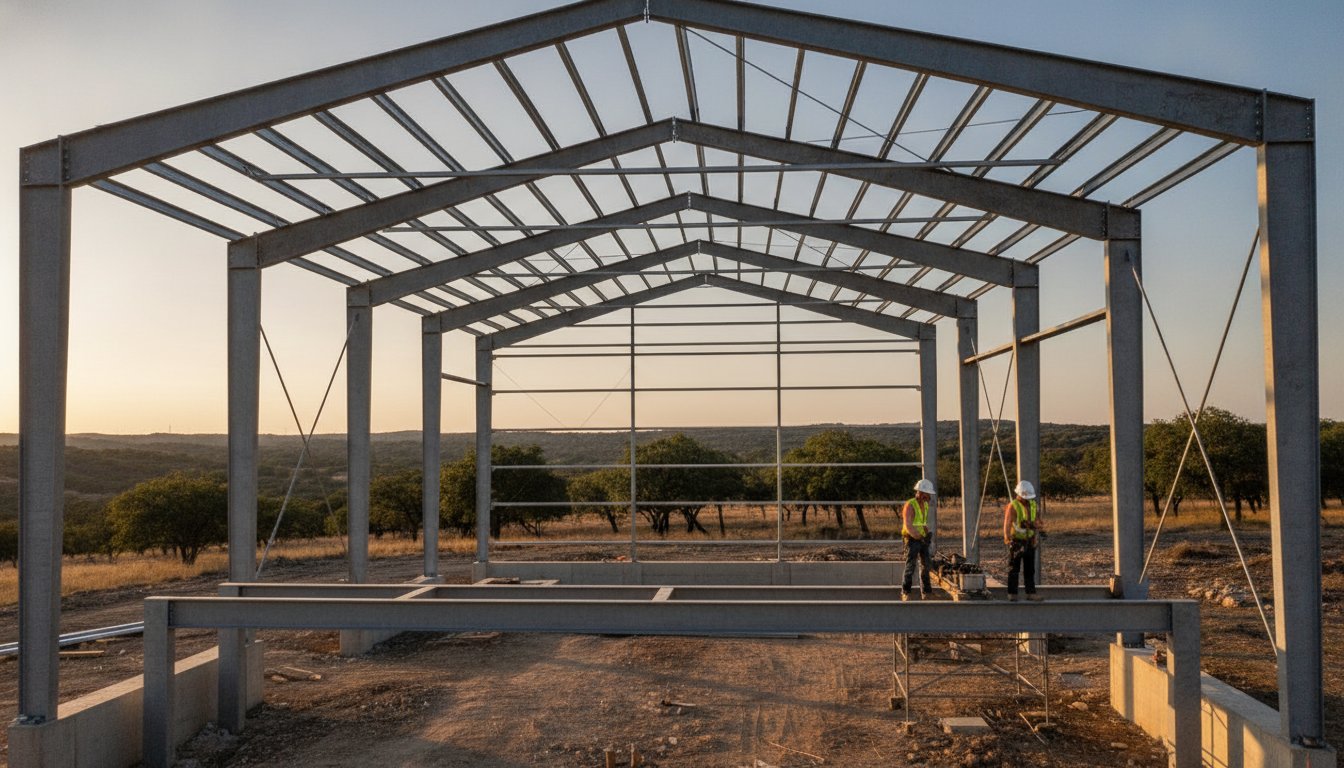
Central Texas weather patterns dictate the specific grade and thickness of the steel used in your project. Weld-up structures often rely on standard tubing or purlins that might not be rated for the extreme gusts we see during storm season. Without proper X-bracing and calculated portal frames, a field-fabricated building risks shaking apart over time. The vibration from high winds can stress welds until they fail. Bradberry Steel focuses on supplying heavy-duty materials that handle these stresses and account for local soil shifting. We help you choose components that stay rooted during the toughest weather. If you are ready to see how an engineered kit fits your land, you can request a detailed quote to compare your options and ensure your building is up to code.
Construction Process: Timeline and Labor Requirements
Every successful project begins with a clear understanding of the labor and equipment required to move from a dirt pad to a finished structure. When comparing weld-up vs pre-engineered steel buildings, the primary difference is where the fabrication happens. Bradberry Steel serves as your primary resource for all necessary materials and project guidance. We supply the steel components or the complete packages you need; however, we do not provide on-site construction labor, foundation work, or installation services. You are responsible for hiring the crew or providing the hands to assemble the materials we deliver.
The choice of method changes the type of specialized tools your team will need on-site. A weld-up project requires heavy-duty welding rigs, cutting torches, and grinders. In contrast, a pre-engineered system relies mostly on impact wrenches, drift pins, and torque wrenches to secure the factory-punched bolt holes. Because labor accounts for 35% to 45% of the total project cost in Texas commercial construction, choosing an efficient assembly method is vital for your budget.
The Weld-Up Timeline
The biggest advantage of a weld-up project is the speed of material delivery. If the red iron components are in stock at our Dublin facility, you can often have them on your site within days. This is ideal for ranchers who need to start a simple equipment shed immediately. However, the on-site fabrication process is slow. A crew must measure, cut, and weld every single connection. This requires highly skilled welders who, in 2026, command average Texas labor rates between $38 and $55 per hour. You can source all the necessary raw components for these weld-up buildings directly from our inventory.
The Pre-Engineered Timeline
Pre-engineered systems require more patience at the beginning of the project. Current domestic steel mill lead times are averaging about 7.6 weeks as of September 2026. This period covers the engineering design and the factory manufacturing of your specific kit. Once the package arrives, the timeline shifts into high gear. Because every piece is pre-cut and marked, a bolt-up crew can often erect the primary frame in a fraction of the time it takes to weld one from scratch. This “building in a box” efficiency makes these kits the preferred choice for do-it-yourself builders and homeowners. You can explore the benefits of a building in a box to see how factory precision simplifies your assembly phase.
Cost Analysis: Initial Investment vs. Long-Term Value
Evaluating the total investment of weld-up vs pre-engineered steel buildings requires looking past the first invoice. A building is a decades-long commitment. While the price of raw steel components might look attractive at first, the hidden costs of field fabrication and long-term maintenance can quickly narrow the gap. Bradberry Steel provides the high-quality materials for both methods, helping you weigh the upfront savings against the long-term performance of your structure.
Labor accounts for a massive portion of your budget. As established, Texas crews command significant hourly rates in 2026. A weld-up project relies on these experts for every single cut and join, which extends the number of paid hours on the clock. A pre-engineered kit reduces those hours by moving the difficult work to the factory. You pay more for the engineering upfront, but you save on the back end through reduced assembly time and fewer specialized labor requirements.
Upfront Material Costs
A weld-up project typically starts with a lower material cost because you are purchasing raw steel in bulk. You pay for the red iron beams and purlins without the added expense of factory engineering and precision cutting. However, this means you must source every fastener, trim piece, and closure strip separately. Pre-engineered kits solve this by arriving as a complete package. Every bolt and piece of flashing is included. This prevents mid-project delays and extra shipping costs for forgotten parts. For those planning a home or barndominium, our residential steel products offer a clear path to understanding the total material requirements for a durable living space.
Total Value and Maintenance
The real cost of a building reveals itself over twenty years of Texas sun and rain. Weld-up structures feature joints that are welded in the field. These points are common areas for rust to begin if the paint is not applied perfectly over the raw weld. You should expect a more frequent maintenance schedule to wire-brush and touch up these joints. Pre-engineered components come with factory-applied coatings that are baked on under controlled conditions. This finish lasts much longer and resists the fading and chalking common in the Texas climate.
Insurance providers also favor structures with a paper trail. Because pre-engineered buildings come with certified blueprints, they often qualify for better coverage terms compared to non-engineered weld-up buildings. This documentation protects your property resale value as well. A future buyer will have more confidence in a structure that has a stamped engineering record. If you are ready to see the financial breakdown for your specific project, use our 3D design tool to build your structure and get a clear picture of the materials involved.
Choosing the Right Solution for Your Central Texas Project
Deciding between weld-up vs pre-engineered steel buildings is a matter of matching the building method to the intended use of the structure. For over 25 years, Bradberry Steel has helped Central Texas property owners navigate this decision by providing the highest quality red iron and engineered kits. The best structure is one that meets your functional needs while staying within your budget and complying with local regulations. To make the right choice, you should evaluate your project based on location, intended use, and long-term goals.
Consider this checklist before you place your material order:
- Does your local jurisdiction require an engineer’s stamp for a building permit?
- Is the structure intended for residential use or commercial storage?
- Do you have access to a certified welding crew or a bolt-up assembly team?
- Are you looking for a clear span design to maximize open floor space?
- Will you need to insure the building against wind or fire damage?
Bradberry Steel serves as a dependable partner for sourcing the materials for either path. While we don’t provide the labor, we ensure the steel that arrives at your site is built for the rugged demands of our region.
When to Choose Pre-Engineered
Pre-engineered systems are the superior choice for high-stakes projects. They are the industry standard for steel framed homes and barndominiums because they provide the certified safety records that lenders require. These systems are also ideal for aircraft hangars where wide, unobstructed spans are necessary to move planes safely. If your property is located within city limits or in a county that has adopted the 2021 International Building Code, a pre-engineered kit is usually a requirement. The factory-controlled fabrication ensures that every component meets specific load ratings for the Texas climate.
When to Consider Weld-Up
Weld-up construction remains a practical and popular choice for many agricultural applications. If you’re building a simple hay barn, a lean-to for livestock, or custom cattle fencing on rural acreage, the flexibility of weld-up steel is hard to beat. This method is especially cost-effective for projects in unincorporated areas where formal permitting is not required. It is also an excellent option for owners who are certified welders and want to provide their own labor to save on project costs. Weld-up components allow for on-site modifications that can accommodate existing non-standard structures or irregular terrain. Bradberry Steel remains a steady supplier of the red iron purlins and tubing needed for these custom builds.
Visualizing your project is the first step toward a successful build. We encourage you to use our professional 3D design tool to see how different dimensions and styles look on your site. This tool helps you plan the materials you need before the first truck arrives at your property in Dublin or the surrounding Central Texas region.
Build Your Texas Future on a Strong Foundation
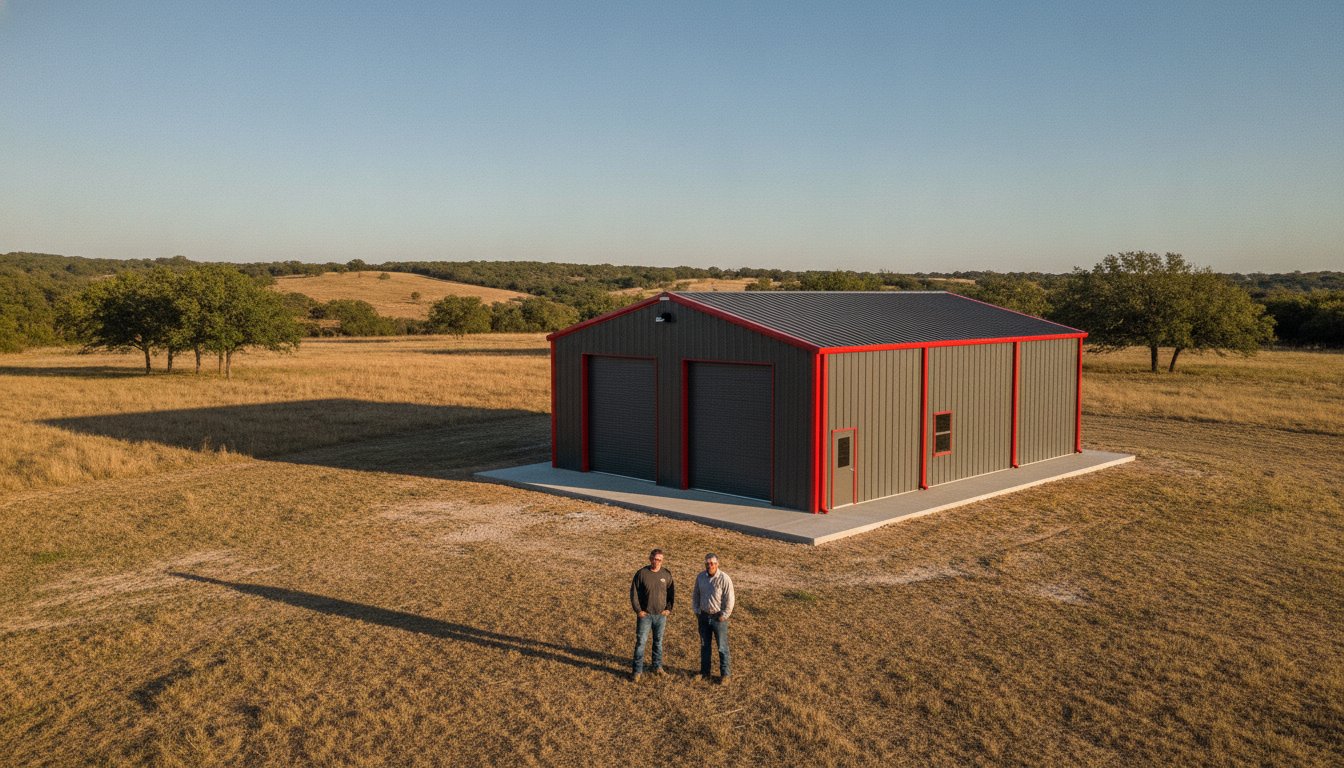
Choosing between weld-up vs pre-engineered steel buildings is a decision that impacts the longevity and legality of your property. While weld-up components offer immediate availability for simple farm projects, pre-engineered kits provide the structural certification required for modern codes and insurance. At Bradberry Steel, we bring over 25 years of local expertise to every material order. As a family-owned operation in Dublin, we supply high-quality red iron and complete building packages designed to withstand the Central Texas climate.
We are here to provide the expert guidance and structural components you need to build with confidence. Whether you are erecting a private aircraft hangar or a durable equipment shed, your investment deserves the strength of professional-grade materials. Our team is ready to help you navigate the specifics of your project and source the right steel for the job.
Ready to start your project? Request a custom steel building quote today or design your building in 3D. Build it once and build it to last.
Frequently Asked Questions
Is a weld-up building as strong as a pre-engineered steel building?
A pre-engineered building is generally stronger because it is designed to meet specific wind and snow loads before fabrication begins. When comparing weld-up vs pre-engineered steel buildings, the latter offers certified structural integrity that field-welded projects often lack. Weld-up buildings rely entirely on the skill of the field welder. While a well-welded agricultural shed is sturdy, it may not withstand the same extreme conditions as a factory-engineered system in wind-prone areas like Erath County.
Can I get an engineer’s stamp for a weld-up building in Texas?
Obtaining an engineer’s stamp for a weld-up building is difficult because the structure is fabricated on-site without pre-approved plans. Most engineers prefer to stamp pre-engineered systems that follow a controlled manufacturing process. If your project in Stephenville or Granbury requires a permit, you will likely need an engineered kit. Bradberry Steel provides the material packages for these projects, but we do not provide engineering stamps, site preparation, or permitting services.
Which building type is better for a Texas barndominium?
Pre-engineered steel buildings are the superior choice for a Texas barndominium. These kits come with the blueprints and load calculations required by most lenders and insurance providers. While weld-up is popular for simple barns, the complexity of a residential home makes the precision of a bolt-up kit more reliable. Bradberry Steel supplies residential steel packages that ensure your home meets the 2021 International Building Code standards required for industrialized housing across the state.
How long does it take to get a pre-engineered steel building kit delivered?
Lead times for pre-engineered steel buildings currently average about 7.6 weeks as of September 2026. This period allows for the custom design and factory fabrication of your specific kit. If you are in a hurry for a simple project in Dublin or Hico, weld-up components are often available for immediate pickup. When evaluating weld-up vs pre-engineered steel buildings, remember that the extra time spent waiting for a kit often results in a much faster on-site assembly phase.
Does Bradberry Steel offer installation for either building type?
Bradberry Steel does not offer installation or construction labor for any building type. We are a dedicated steel supplier providing high-quality red iron components and complete building packages. Our focus is on material supply and project guidance for builders in Central Texas. You will need to hire your own contractor or provide the labor for site preparation, foundation work, and the final erection of the structure on your property.
What is the most cost-effective steel building for a backyard workshop?
For a small backyard workshop in an unincorporated area near Comanche, a weld-up building is often the most cost-effective option. It allows you to purchase raw materials like C-purlins and tubing at a lower upfront cost. If you live within city limits where permits are mandatory, a small pre-engineered workshop kit might save you money in the long run by avoiding inspection delays. We can help you compare the material costs for both methods at our Dublin facility.
Are bolt-up buildings easier to expand in the future?
Bolt-up buildings are generally easier to expand because they follow a set engineering plan. You can often order additional bays that match the existing frame perfectly. Expanding a weld-up building requires a skilled welder to cut into the original structure and join new steel, which can be more labor-intensive and unpredictable. Having original blueprints for a pre-engineered system makes the design and permitting of an addition much simpler for your contractor in Weatherford or Hillsboro.
Do I need a special foundation for a pre-engineered steel building?
Every steel building requires a concrete foundation designed to handle the weight and wind uplift of the structure. Pre-engineered buildings come with specific anchor bolt patterns that must be set precisely in the concrete during the pour. While Bradberry Steel does not provide concrete or foundation work, we provide the anchor bolt plans included in your building package. It is critical to work with a local foundation expert in Brownwood or Eastland to ensure your pad is level.
Disclaimer
Bradberry Steel is a steel supply and metal building package company based in Dublin, Texas. We do not provide installation, site preparation, foundation work, or general contracting services. All building projects should be reviewed by a qualified local contractor and may require permits depending on your county or municipality. Contact Bradberry Steel for product guidance and material quotes.