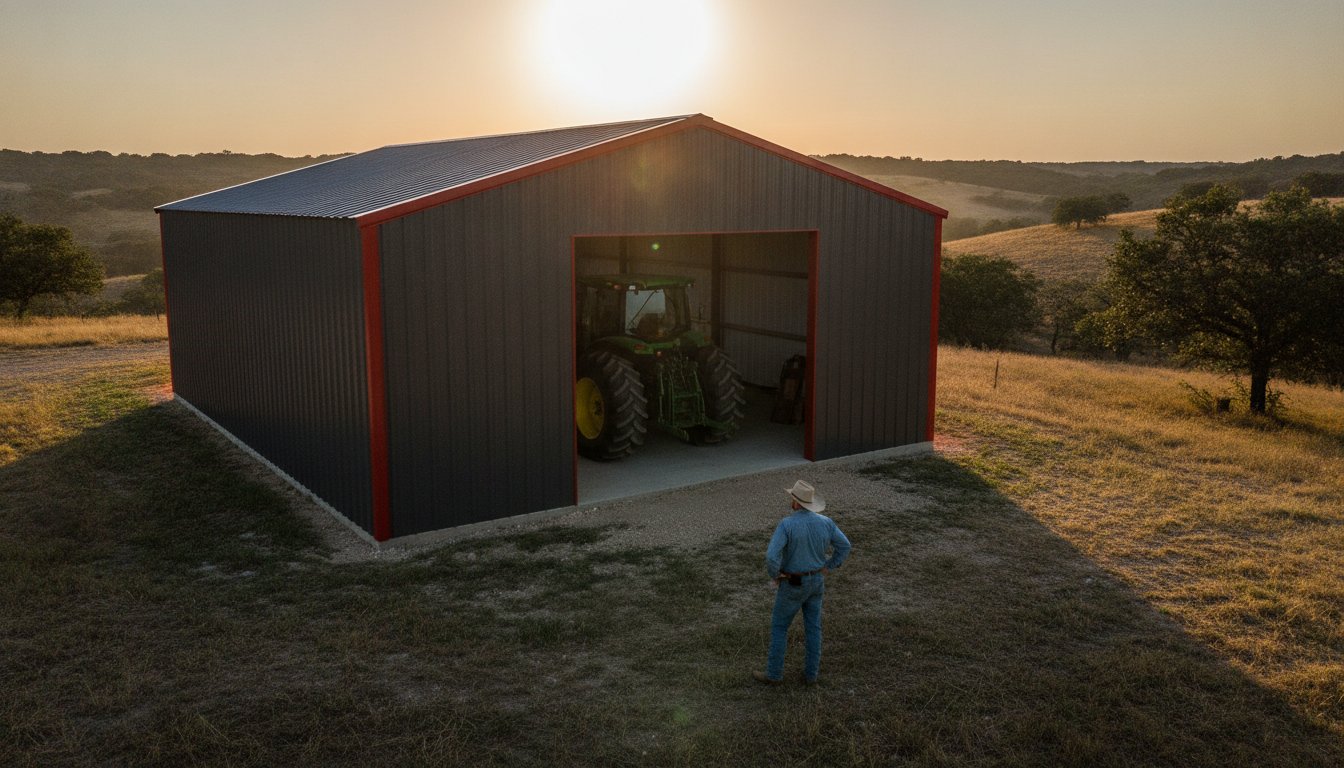
A traditional wood barn is often a liability waiting to happen when a Central Texas windstorm rolls through. Investing in agricultural steel buildings isn’t just about adding storage; it’s about securing your livelihood against the elements with a structure that doesn’t flinch at triple-digit heat or straight-line winds. You’ve likely spent too many weekends replacing rotted boards or repainting siding that the Texas sun has stripped bare. It’s a cycle of maintenance that pulls you away from more important work on the ranch.
We understand that a building is a significant investment in your future. This guide will show you how to choose, size, and plan the most durable steel structures for your specific operation. You’ll learn how to achieve maximum clear span space for your largest tractors and how to navigate the technical differences between various kit types. We will cover everything from site considerations to material selection. Bradberry Steel provides the heavy-duty components and 25 years of Texas expertise required to help you build a legacy that stands for decades without the headache of constant repairs.
Key Takeaways
- Steel provides superior protection against Central Texas weather, termites, and fire compared to traditional wood barns.
- Customize your agricultural steel buildings with clear-span designs to maximize space for large tractors, hay storage, or riding arenas.
- Understand the differences between weld-up construction and pre-engineered kits to determine the best fit for your ranch’s needs.
- Use specific equipment measurements to plan your layout and door sizes, focusing on efficient footprints like the 40×60 gold standard.
- Partner with a local supplier to source high-quality red iron materials while maintaining control over your own site preparation and installation.
The Case for Agricultural Steel Buildings in Central Texas
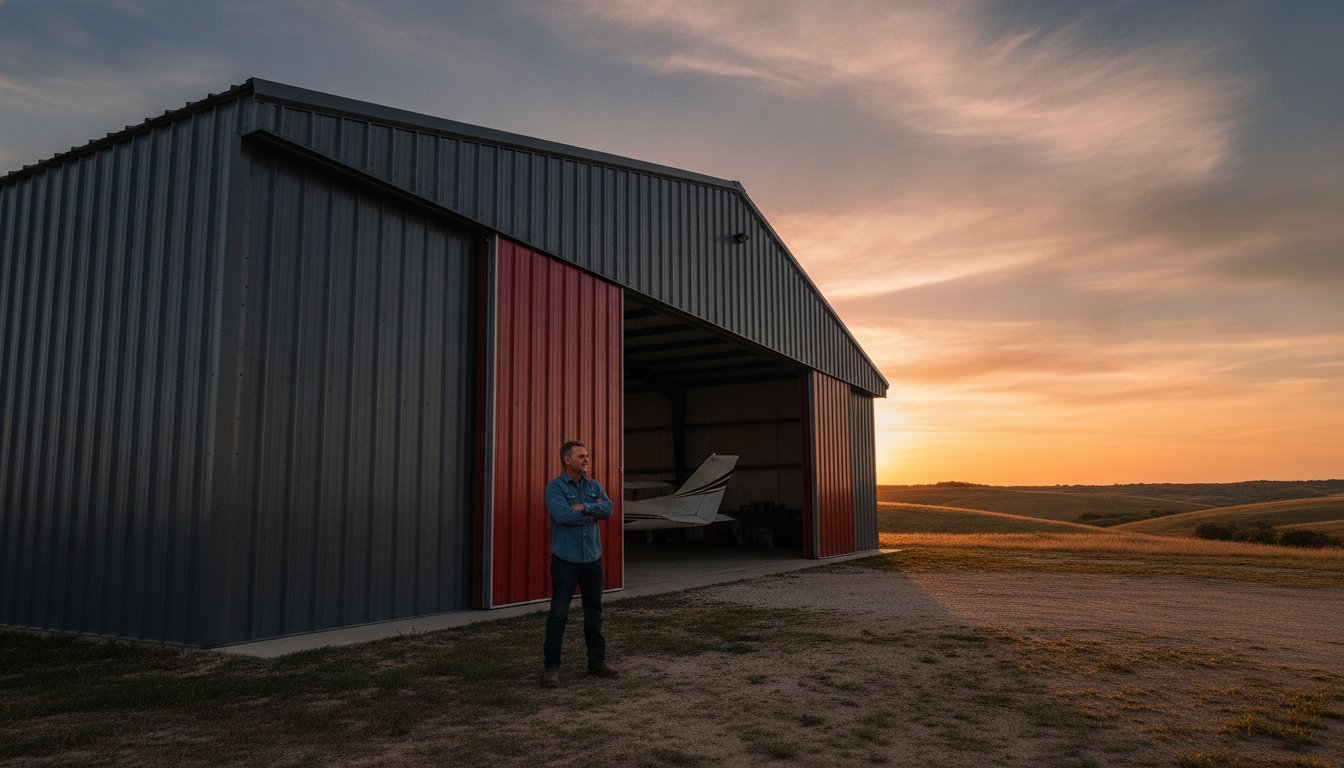
Agricultural steel buildings are specialized metal structures engineered to handle the heavy demands of modern ranching. These are not just generic sheds; they are high-strength systems designed specifically for barns, riding arenas, and equipment storage. In local communities like Dublin and Stephenville, steel has become the standard for new construction. Ranchers are choosing red iron frames because they offer a level of durability that traditional materials simply cannot match. When you build with steel, you’re investing in a structure that resists the common enemies of Texas agriculture: termites, rot, and fire.
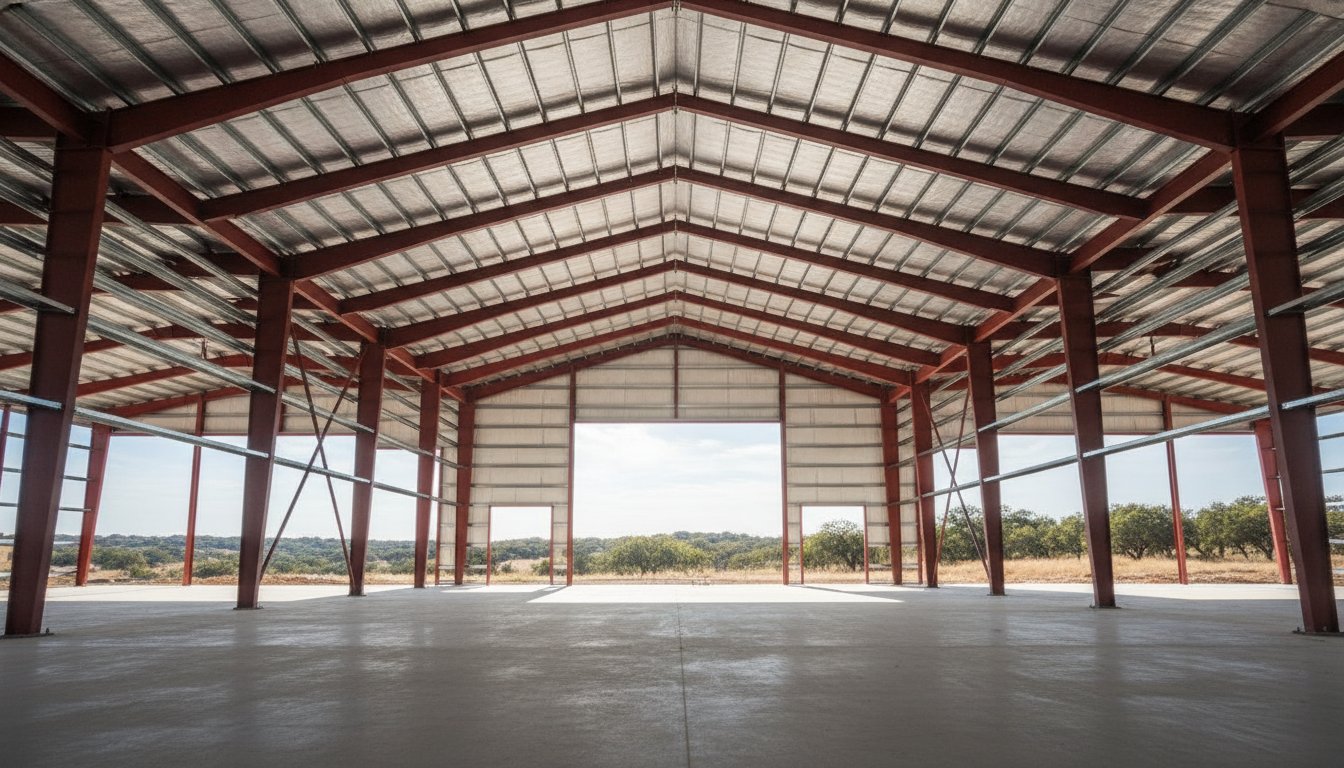
The strength of a building starts with its frame. Most agricultural steel buildings use red iron, which is high-grade structural steel coated in iron oxide to prevent rust and corrosion. This heavy-duty material provides the backbone needed for large, clear-span spaces. These designs are essential because they allow for wide-open interiors where columns don’t obstruct the movement of tractors or the flow of livestock. For a busy ranch operation, the low maintenance of metal siding and roofing is a major advantage. You won’t spend your weekends scraping paint, treating for pests, or replacing siding that has been hammered by the Texas sun.
Why Texas Ranchers are Moving Away from Wood
Traditional pole barns and wood-framed structures were once the norm, but the landscape has changed. Lumber costs fluctuate wildly, making it difficult to budget for large projects. Beyond the initial price, wood requires constant upkeep. It warps in the humidity and rots when moisture gets trapped against the ground. Steel eliminates these issues entirely. It is also naturally fire-resistant, which is a critical consideration in dry Central Texas summers. Many insurance providers recognize this safety factor, often leading to better rates for steel structures compared to flammable wood buildings.
Engineered for the Texas Climate
The open acreage of Erath County offers little protection from the wind. Agricultural steel buildings are engineered with specific wind load ratings to ensure they stay grounded during severe storms. Unlike wood, which can creak and shift, a properly engineered steel frame remains rigid. Heat management is another vital factor. Metal roofing reflects a significant portion of solar radiation, keeping the interior of the barn cooler for livestock and workers alike. If you’re looking for more information on sourcing these materials, you can explore our metal buildings in Texas guide to see how we support local projects.
Ready to start planning your next project? You can use our 3D design tool at Bradberry Steel to visualize your layout or request a quote to get your material list started.
Customizing Your Steel Structure for Specific Agricultural Needs
Customization is what turns a basic metal shell into a functional tool for your ranch. Agricultural steel buildings must be tailored to the specific flow of your daily operations. A building designed for cattle handling will look very different from one intended for tractor maintenance. Steel allows for easy-clean surfaces that don’t harbor bacteria or parasites like porous wood. Proper ventilation is vital for animal health. These structures can incorporate ridge vents, louvers, or even large overhead doors to ensure constant airflow through the facility.
Equipment storage is another area where precision matters. Modern tractors and implements are taller and wider than the machinery of the past. You need wide bays and high clearances to safely maneuver your equipment. Adding a lean-to on the exterior of the main structure is a practical way to gain extra shaded storage. These extensions provide protection for implements that don’t require a fully enclosed environment while keeping your main floor space clear for active work. You can use our 3D design tool to see how these additions look on your layout before you buy.
Barns and Livestock Shelters
Cattle handling and horse stalls require specific interior heights to ensure safety for both the animals and the handlers. A standard height might not be enough if you’re installing specialized stall systems or overhead feeders. We help ranchers plan layouts that include dedicated wash bays or climate-controlled tack rooms within the main steel shell. If your project includes a multi-purpose space like a ranch office, our residential steel products offer solutions for integrated workshops or living quarters that fit seamlessly with your barn.
Hay Sheds and Riding Arenas
Moisture is the enemy of stored hay. Open-walled designs are the most effective way to encourage maximum airflow and prevent the heat buildup that causes spontaneous combustion. High ceilings are also a requirement for stacking round or square bales to the rafters. In a riding arena, the clear span design is the most significant advantage of steel. A 100-foot clear span provides an unobstructed riding space without dangerous center columns. This allows for full maneuvers and safe training environments for both horse and rider. The absence of interior supports means every square foot of your arena is usable space.
Weld-Up vs. Pre-Engineered Agricultural Systems
Deciding how to build your structure is just as important as deciding what to build. For agricultural steel buildings in Central Texas, the choice usually comes down to two distinct methods: weld-up construction or pre-engineered bolt-together kits. Both systems utilize high-quality red iron and heavy-duty components, but the assembly process and labor requirements differ significantly. Understanding these differences helps you match the right building method to your budget and timeline.
Weld-up buildings offer ultimate flexibility for on-site changes. If you decide to move a door or adjust a window height while the frame is going up, your welder can make those changes with a torch and a grinder. Pre-engineered systems, on the other hand, rely on factory precision. Every bolt hole is pre-punched and every beam is cut to the exact inch before it reaches your ranch. This precision reduces the margin for error and ensures the building meets specific engineering standards for wind loads without guesswork.
The Traditional Texas Weld-Up Building
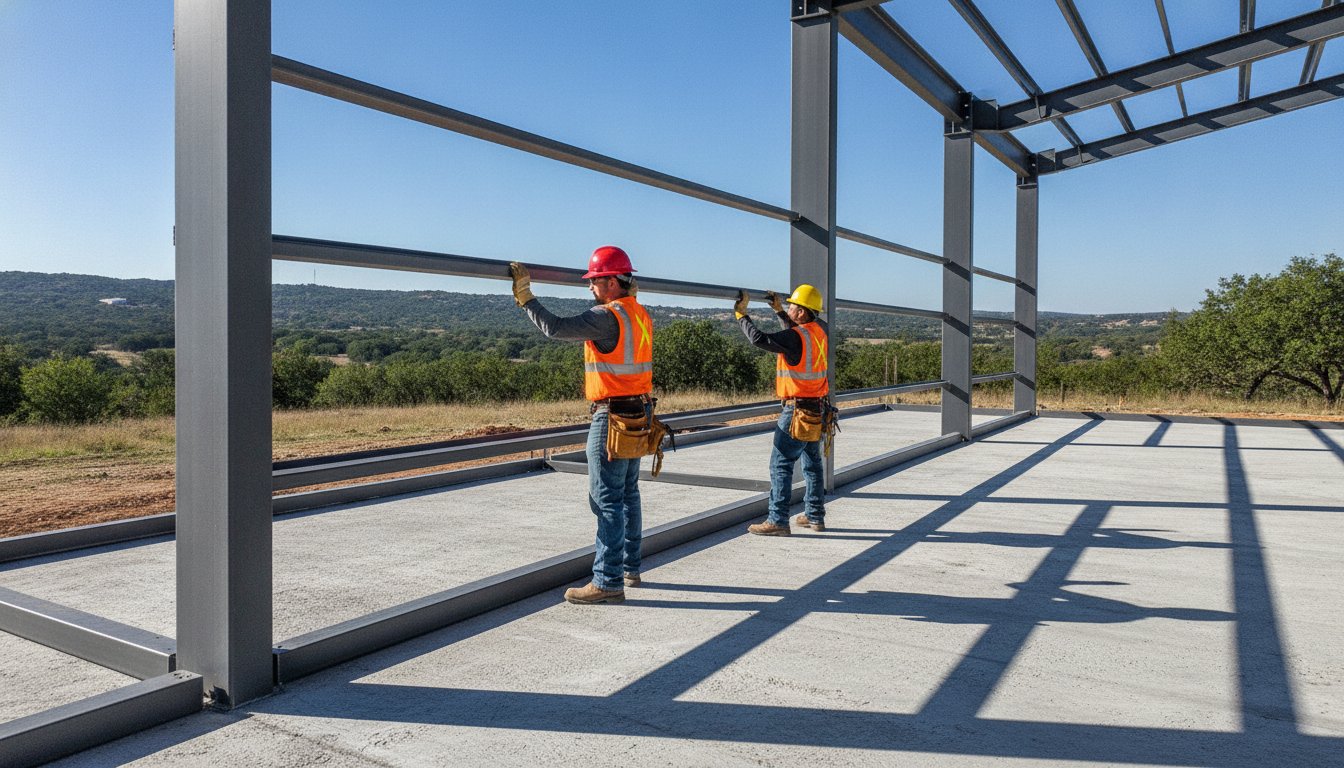
The weld-up method is a staple of rural Texas construction. This process involves delivering raw steel components, such as c-purlins and square tubing, directly to your site. A skilled crew then cuts, fits, and welds every joint from scratch. This approach is highly popular for smaller ranch projects, equipment sheds, and custom livestock shelters. It allows you to build a rugged, permanent structure using local labor and traditional techniques. If you have the welding skills or a trusted local contractor, you can explore our Weld-Up Buildings material packages to get started.
The Efficiency of Pre-Engineered Steel
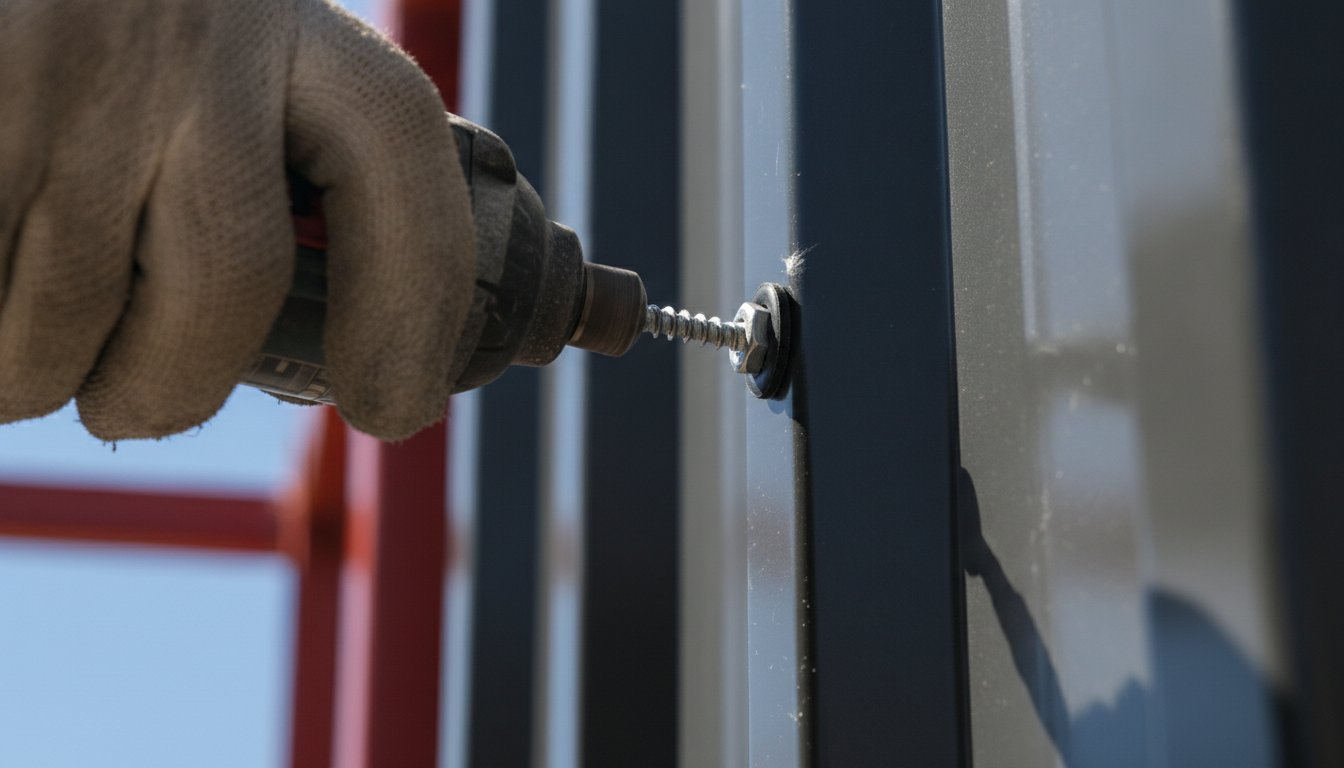
For larger or more complex agricultural steel buildings, pre-engineered kits are often the most efficient choice. Think of this as a sophisticated building in a box. Every primary and secondary member is numbered and corresponds to a detailed set of assembly drawings. Because the components are bolt-together, the assembly time is much faster than welding every connection on-site. This is the gold standard for commercial warehouses, large-scale hay storage, and professional riding arenas. You can learn more about these precision kits on our Pre-Engineered Steel Buildings page.
Cost is always a factor. While weld-up materials may sometimes have a lower upfront price, the labor costs for a skilled welder can be higher. Pre-engineered kits often have a higher material cost but save you money on the back end through reduced assembly time. We provide the high-quality materials for both methods so you can choose the one that fits your project best. Use our 3D design tool at Bradberry Steel to visualize your layout and compare your options.
Planning Your Layout and Sizing for Maximum Efficiency
Efficiency starts with a tape measure. When planning agricultural steel buildings, you shouldn’t guess your dimensions. Measure your widest implement with the wings folded and your highest exhaust stack. A common mistake is building for the equipment you own today rather than the machinery you’ll buy tomorrow. Modern combine harvesters require significant eave height for safe clearance. We recommend at least 14 to 16 feet for standard equipment, but larger operations often need 20 feet or more to accommodate high-clearance sprayers and harvesters.
The 40×60 barn is often called the gold standard for family ranches in Central Texas. It provides enough clear span space for a primary tractor, a few implement attachments, and a dedicated corner for a workbench. If you anticipate growth, plan your layout to allow for end-wall additions. Steel structures are uniquely suited for expansion because you can remove an end wall and add new bays without compromising the original frame’s integrity. This modular capability ensures your building can grow alongside your herd or equipment roster.
Common Agricultural Building Sizes
Choosing a footprint depends on your specific goals. A 30×40 shop is ideal for a small maintenance bay and secure tool storage. However, if you’re protecting a season’s worth of hay, a 60×100 barn is more appropriate to ensure proper airflow and stacking height. For livestock, your footprint should be based on head count and the required square footage per animal for health and movement. You can use our 3D design tool to visualize how these different sizes sit on your property and interact with your existing structures.
Door Placement and Interior Flow
Where you put your doors determines how much work you actually get done. A “pull-through” design with large doors on opposite ends is a favorite for ranchers who frequently move trailers. It eliminates the need for difficult backing maneuvers. Roll-up doors offer better weather sealing and security, while sliding barn doors are often preferred for larger openings where headroom is limited. Don’t forget to include a standard walk-through door near your most frequent entry point. It saves you from cycling a heavy overhead door just to grab a wrench or a piece of tack. If you’re ready to map out your site, request a quote for your building materials to see how a custom layout fits your budget.
Navigating the Supply and Design Process with Bradberry Steel
Building agricultural steel buildings requires a partner who understands the difference between a generic shed and a working ranch facility. At Bradberry Steel, our philosophy is simple. We provide the highest quality red iron and structural components while offering the expert guidance you need to manage your project successfully. We don’t handle the concrete work, site preparation, or the actual physical erection of the building. Instead, we focus on what we do best: supplying heavy-duty materials that are engineered to last for decades. This approach gives you full control over your budget and your choice of local contractors. It allows you to be the project manager of your own legacy while relying on our 25 years of technical expertise to ensure the materials are right.
From Design to Delivery
The process of designing agricultural steel buildings begins with our 3D design tool. This platform allows you to visualize every aspect of your structure before a single bolt is shipped. You can experiment with different roof styles and use our color guide to ensure your new barn matches existing ranch houses or outbuildings perfectly. Once the design is finalized, we coordinate the delivery directly to your property. Whether you’re located near Dublin, Brownwood, or out in the more remote parts of Erath County, we ensure your materials arrive organized and ready for assembly. For those who aren’t looking for a full kit, we also maintain a steady supply of individual structural components. This is ideal for ranchers doing their own repairs or making small additions to current structures without needing a whole new package.
Your Local Central Texas Partner
Working with a local supplier means working with someone who knows the land. The Bradberry family has served the Central Texas community for over 25 years. We understand the specific challenges of building in Erath and Comanche counties, from the high wind loads on open plains to the unique soil conditions that affect your foundation planning. We aren’t a faceless national corporation. We are your neighbors in Dublin, and we take pride in seeing our steel standing strong on ranches across the region. Our reputation is built on the steady delivery of precision materials and honest, straightforward advice. We help you navigate the technical requirements so you can focus on the daily operations of your ranch. If you’re ready to move from the planning phase to reality, we invite you to Request a Quote for your next project.
Build for the Future of Your Ranch
Choosing the right structure for your operation is a decision that impacts your ranch for decades. We have covered how agricultural steel buildings provide a level of durability and fire resistance that traditional wood barns simply cannot match. By focusing on clear span designs and proper eave heights, you ensure your building remains functional as your equipment and herd grow. Whether you choose a traditional weld-up frame or a precision pre-engineered kit, the quality of your materials is the foundation of your success.
Bradberry Steel brings over 25 years of Central Texas experience to every project. We specialize in high-quality red iron components designed to withstand local wind and heat. Our 3D design tool is available to help you visualize every detail of your layout before you buy. When you are ready to secure your property with a structure built for the long haul, we are here to provide the expert guidance and heavy-duty steel you need. Start your project today with a custom quote from Bradberry Steel and build a legacy that stands the test of time.
Frequently Asked Questions
What is the best size for a hay storage barn in Texas?
The ideal size for hay storage depends on whether you use round or square bales and your total annual volume. A 60×100 structure is a frequent choice for large-scale operations because it provides ample height for stacking and wide bays for airflow. You should plan for enough clearance to operate your loader safely inside the structure. Proper sizing ensures you don’t waste square footage while still protecting your forage from the elements.
Do I need a concrete slab for my agricultural steel building?
A concrete slab is not a requirement for all agricultural steel buildings. Many ranchers prefer dirt or gravel floors for hay storage and livestock shelters to allow for better drainage and lower initial costs. However, if you plan to use the space as a workshop or for heavy machinery maintenance, a reinforced concrete slab provides a stable and clean working surface. Your choice should match the intended daily use of the facility.
How long does it take to receive a steel building kit after ordering?
Standard delivery times for steel building kits generally range from four to eight weeks depending on the design complexity. Simple agricultural structures often move through the process faster than complex commercial facilities with custom requirements. We coordinate the shipping of your red iron and components directly to your site in Central Texas. It is always best to confirm current lead times during your initial design phase to keep your project on schedule.
Can I install a Bradberry Steel building kit myself?
You can install a kit yourself if you have the right equipment and construction experience. Many of our customers manage their own builds to save on labor costs. However, these are heavy-duty industrial materials that require cranes or telehandlers for safe lifting and placement. While we provide the steel and the guidance, Bradberry Steel does not offer installation or contracting services. You are responsible for hiring a crew or handling the assembly yourself.
What is the difference between red iron and C-purlin buildings?
Red iron refers to the heavy-duty structural steel used in the primary frame of a building. It is coated in iron oxide to prevent rust and is essential for achieving wide clear spans. C-purlins are lighter secondary members used to support the roof and wall panels. For larger agricultural steel buildings, a red iron primary frame is necessary to handle the weight and wind loads common in open Texas acreage.
Are steel buildings hotter than wood barns in the summer?
Steel buildings are not naturally hotter than wood if you plan for the Texas sun. Metal roofing with high solar reflectivity actually bounces heat away from the structure. When combined with ridge vents and large doors for cross-ventilation, a steel barn can stay significantly cooler than a poorly ventilated wood building. Adding insulation or choosing lighter colors for your roof panels further improves temperature control during the peak of summer.
Does Bradberry Steel provide the blueprints for my building?
Bradberry Steel provides detailed assembly drawings for every pre-engineered building package we supply. These documents act as a guide for your crew to ensure every component is placed correctly according to the design. For weld-up material orders, we provide a clear list of all structural components included in your package. We do not provide engineering stamps or handle the permitting process; those steps remain the responsibility of the property owner.
How do I choose between a weld-up and a pre-engineered building?
Your choice depends on your project size and your access to skilled labor. Weld-up buildings are excellent for smaller, custom projects where you want to make on-site adjustments. Pre-engineered kits are better for large facilities like riding arenas that require precise engineering and faster assembly times. If you have a trusted welder, a weld-up might be your preference. If you want a kit that bolts together quickly, go with pre-engineered.
Disclaimer
Bradberry Steel is a steel supply and metal building package company based in Dublin, Texas. We do not provide installation, site preparation, foundation work, or general contracting services. All building projects should be reviewed by a qualified local contractor and may require permits depending on your county or municipality. Contact Bradberry Steel for product guidance and material quotes.