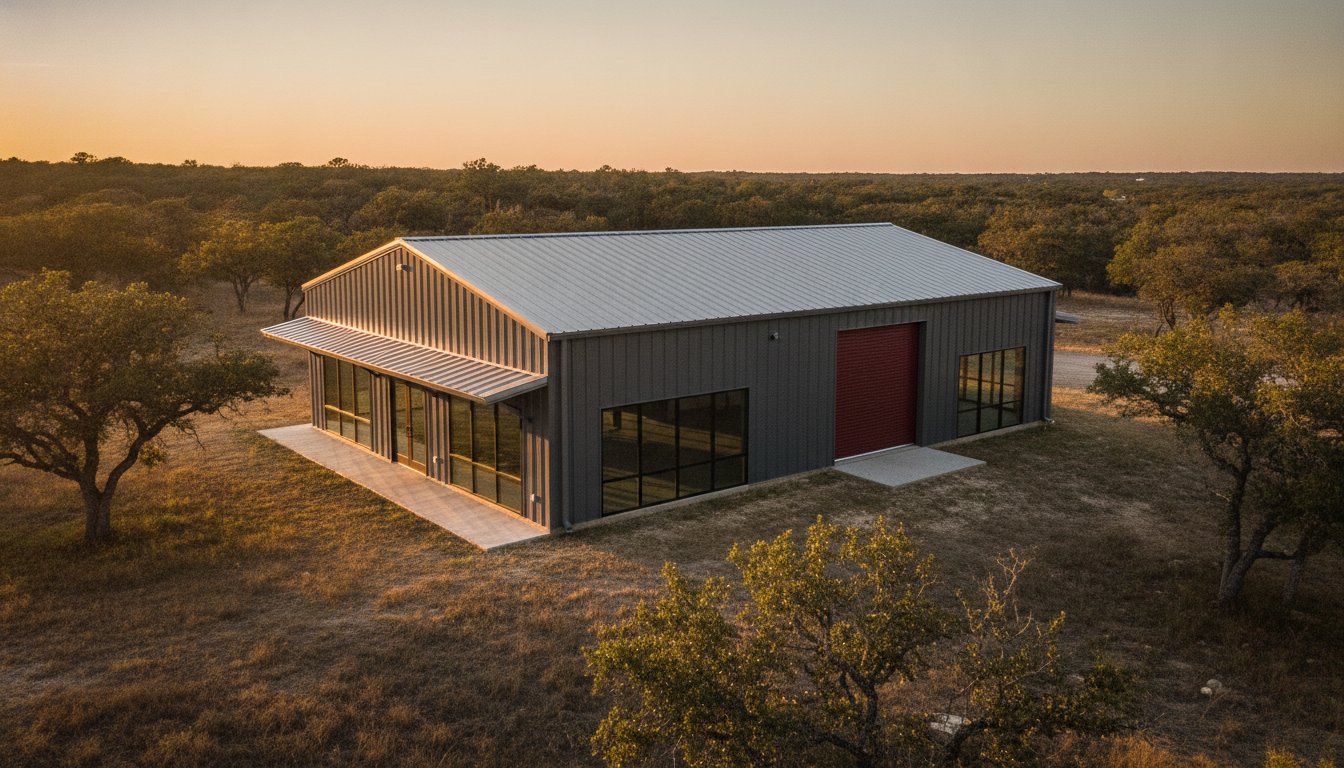
What if the most expensive part of your new workshop isn’t the steel frame, but the heat soaking through the roof every July? Many folks in Erath County accept staggering cooling bills as a simple fact of life in Central Texas, but that is a costly misconception. You can design a structure that stays comfortable during a triple-digit heatwave without draining your bank account every month. Mastering energy efficient metal building design Texas requires a proactive strategy that addresses thermal bridges and moisture control before the first bolt is tightened.
At Bradberry Steel, we understand that a building is only as good as its performance in the field. You’re likely looking for ways to prevent condensation and rust while navigating the confusion of modern insulation ratings. This guide provides a clear roadmap for 2026, covering everything from the latest energy codes to reflective roofing options that can reduce peak cooling demand by up to 25 percent. You’ll learn how to select a high-performance building kit that protects your investment, lowers your utility bills, and provides a dependable environment for your family or your equipment year round.
Key Takeaways
- Understand why heat rejection and thermal break management are the most critical factors for staying cool in a Texas steel building.
- Discover how reflective cool roofing and deep eaves work together to bounce solar energy away from your structure.
- Master the fundamentals of energy efficient metal building design Texas by selecting high performance components like insulated doors and low-e windows.
- Learn how to orient your building on its site to minimize sun exposure and lower your monthly utility bills.
- Find out how a custom building package from Bradberry Steel provides a durable, low maintenance solution tailored to the Central Texas climate.
Understanding Energy Efficiency for Texas Metal Buildings
In Texas, energy efficiency isn’t just a buzzword; it’s a survival strategy for your budget. Most people think of insulation first, but true energy efficient metal building design Texas starts with understanding how heat interacts with a steel structure. Efficiency in our climate focuses on two main goals: rejecting solar heat and managing thermal breaks. If you fail to address these, your building becomes an oven in July and a condensation trap in January. Following the 2021 International Energy Conservation Code (IECC) is now the mandatory minimum for commercial projects in Texas, but these principles apply to any shop or home looking to stay comfortable. A precision-engineered kit from Bradberry Steel provides the structural integrity needed to support these energy-saving measures from day one.
The Impact of the Central Texas Climate
The sun in the Dublin and Stephenville area is relentless. High solar radiation means your building’s exterior faces a constant barrage of energy. Without high-reflectivity materials, that energy turns into heat that soaks into your workspace. Additionally, Erath County experiences significant humidity. When warm, moist air hits a cold steel surface, you get condensation. This moisture leads to rust and mold, which compromises both the building’s lifespan and your health. Understanding Green Building Principles helps explain why managing this environment requires a holistic approach to material selection and site planning. It’s about more than just the walls; it’s about how the entire system breathes.
Thermal Conductivity and the Steel Frame
Steel is a superior building material for durability, but it’s also a high-performance conductor of heat. It transfers thermal energy much faster than wood or masonry. This leads to a problem called thermal bridging. This occurs when the steel frame acts as a bridge, allowing heat to bypass your insulation and enter the building. Without a plan to stop this transfer, your air conditioner will work overtime just to keep up with the heat soaking through the walls, a challenge that HVAC specialists such as Ray Brown Air and Heat address by emphasizing the synergy between a building’s structure and its climate control systems.
To fight this, your design must include specific strategies:
- Thermal Breaks: These are physical barriers or spacers that stop the flow of heat through the metal frame.
- Vapor Barriers: These layers prevent humid air from reaching cold surfaces, which stops condensation before it starts.
- Reflective Coatings: Specialized finishes bounce radiation away before it ever reaches the steel panels.
By reducing the heat load on your HVAC system, you don’t just save money on monthly bills. You also extend the life of your expensive mechanical equipment. A well-designed pre-engineered steel building handles the massive temperature swings between hot days and cool nights by allowing for controlled thermal expansion without losing its weather-tight seal. You can begin planning your own high-performance structure by using the 3D design tool at Bradberry Steel to visualize your project and ensure it’s built to last.
Core Design Strategies for Heat Mitigation
Heat mitigation is not an accessory you add to a building after it is finished. It is a fundamental part of the engineering process. To build a structure that stands up to the Texas sun, you must address how energy hits the exterior and how it is managed once it tries to enter. The U.S. Department of Energy highlights several Core Design Strategies for Heat Mitigation that focus on reducing the thermal load on a building. In our region, this means prioritizing reflection and ventilation. Effective energy efficient metal building design Texas requires a plan that includes deep eaves, reflective coatings, and a structural frame that accommodates modern insulation needs.
The Power of Cool Roof Technology
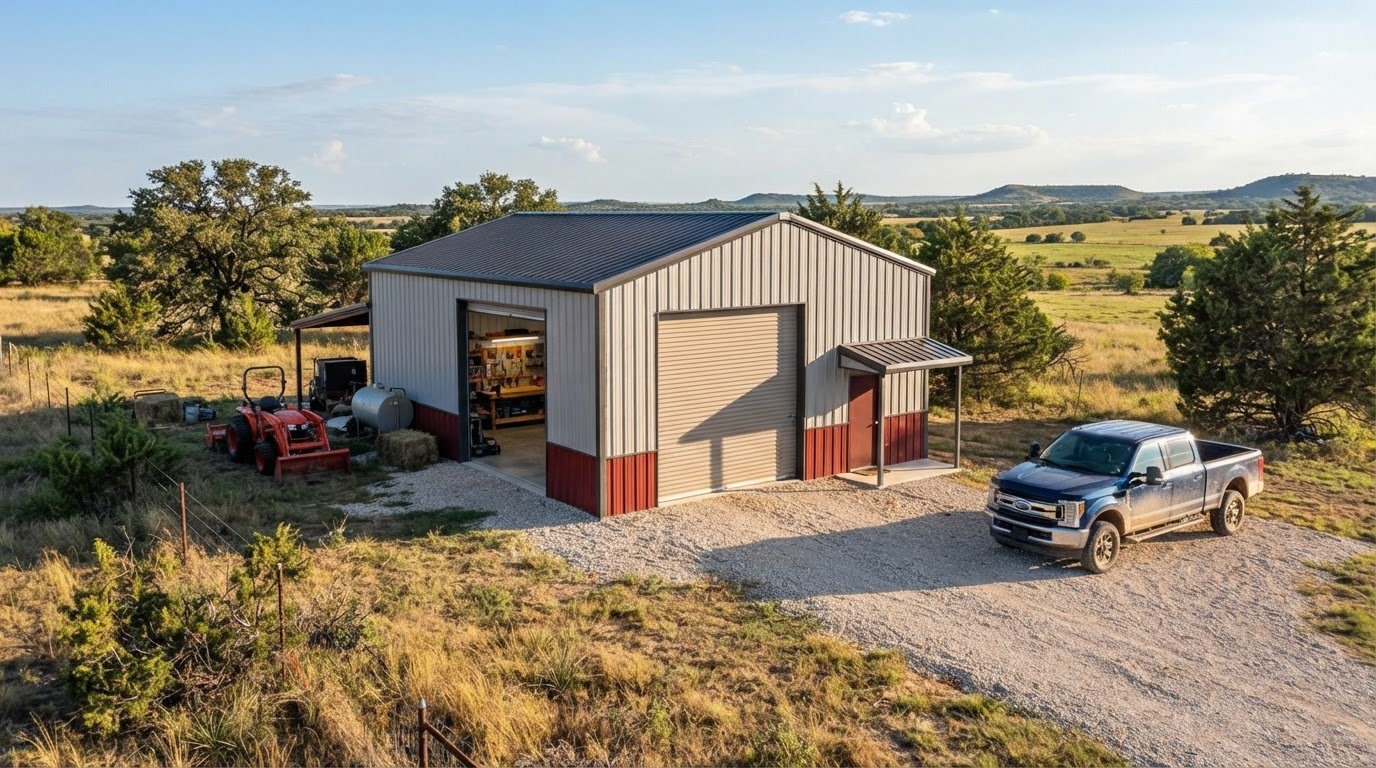
The roof is the primary target for solar radiation. Selecting a light colored finish like white or light stone can make a massive difference in surface temperature. These “cool roofs” can stay up to 50 degrees cooler than dark shades like charcoal or forest green. This temperature difference directly impacts how much heat radiates into your shop or barn. Emissivity is also vital; it measures how well a surface sheds the heat it has absorbed. High emissivity prevents the metal from acting like a radiator that pumps heat downward into your living space. You can view various energy efficient finish options in the Bradberry Steel Color Guide to see which shades provide the best performance for your site.
Structural Choices for Better Performance
Your choice of framing style dictates how much space you have for insulation. Pre-engineered systems are designed with tighter tolerances, which leads to better air sealing and less leakage. These systems also allow for deeper purlins and girts. These are the horizontal beams that support the roof and wall panels. Deeper components create larger cavities, allowing you to install thicker insulation without compressing the material. Compressed insulation loses its R-value and effectiveness. When you specify a building kit, ensure the structural components are sized to handle the weight and volume of the thermal barriers you plan to use.
Ventilation is the final piece of the puzzle. Even with the best insulation, some heat will inevitably enter the building. Proper ridge vents allow this hot air to escape naturally from the highest point of the roof. This creates a chimney effect that pulls cooler air in through lower openings. When you combine this natural airflow with deep eaves that shade your walls during the hottest parts of the day, you significantly reduce the strain on your cooling systems. Start your project right by utilizing the 3D design tool to visualize how these features fit your specific layout.
Essential Energy Saving Components and Materials
Designing a durable shell is the first step, but the components you install within that shell determine the final performance. For energy efficient metal building design Texas, you must treat doors and windows as thermal barriers rather than just access points. Every opening in the steel skin is a potential leak for conditioned air. By following Department of Energy guidelines for high-performance envelopes, you can ensure your workshop or home remains stable regardless of the outside temperature. This requires a focus on high-quality sealants and weather stripping at every joint and transition to prevent air infiltration.
Windows and Doors as Thermal Barriers
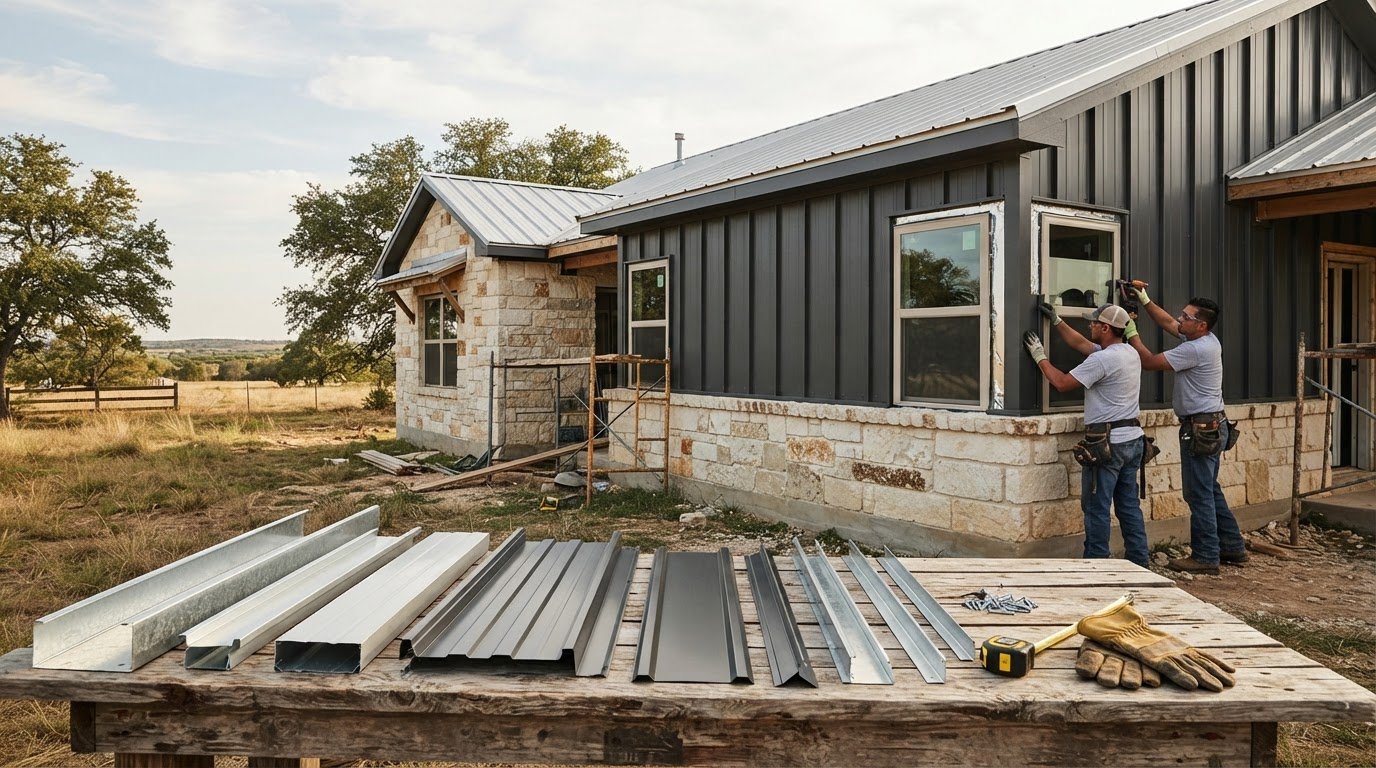
Standard utility doors are fine for an unheated barn, but they fail in climate-controlled spaces. These doors often lack internal insulation, meaning the metal surface transfers heat directly into the room. For any steel framed home or conditioned shop, insulated walk doors and overhead doors are essential. Windows should feature low-emissivity (Low-E) coatings and double-pane glass at a minimum. These coatings reflect infrared light, keeping heat out during the summer and inside during the winter. Ensure your window frames include thermal breaks to prevent the frame itself from conducting heat through the wall. While Bradberry Steel specializes in providing the structural building kit, selecting these high-efficiency components is a critical step in your project planning.
Planning for Post Supply Insulation
The physical design of your building kit dictates your insulation options. The depth of your purlins and girts determines how much space you have for fiberglass batts or spray foam. Closed-cell spray foam is a popular choice for Texas metal buildings because it provides a high R-value per inch and acts as its own vapor barrier. This is vital for protecting your steel from internal moisture and preventing the condensation issues common in Erath County. If you prefer fiberglass blankets, you must ensure they are installed with a high-quality vapor retarder. This prevents humid air from reaching the cold steel panels, which protects your structure from rust over time.
A well-insulated building only works if it is air-tight. High-quality weather stripping on all doors and industrial-grade sealants at the base of the walls are necessary to stop drafts. These small details prevent your HVAC system from running constantly to replace lost air. You can start planning these details today by utilizing our 3D design tool to see how different layouts and openings will affect your overall structure. This helps ensure your building is designed correctly from day one.
Site Orientation and Layout for Natural Efficiency
Where you place your building on your property is just as important as the materials you use to build it. A smart layout is a cornerstone of energy efficient metal building design Texas. By aligning the longest axis of your structure from east to west, you present the smallest surface area to the intense morning and evening sun. This simple choice significantly reduces the amount of solar heat absorbed by your walls. You should also place large bay doors on the north or south sides. This prevents the interior of your shop from becoming a heat trap when you open the doors during the peak hours of a Texas summer. For industrial facilities, incorporating high-speed doors from DoorUp can further minimize thermal exchange during frequent use. These orientation choices work in tandem with the cool roof technology discussed earlier to keep your utility costs manageable.
Harnessing the Sun and Wind
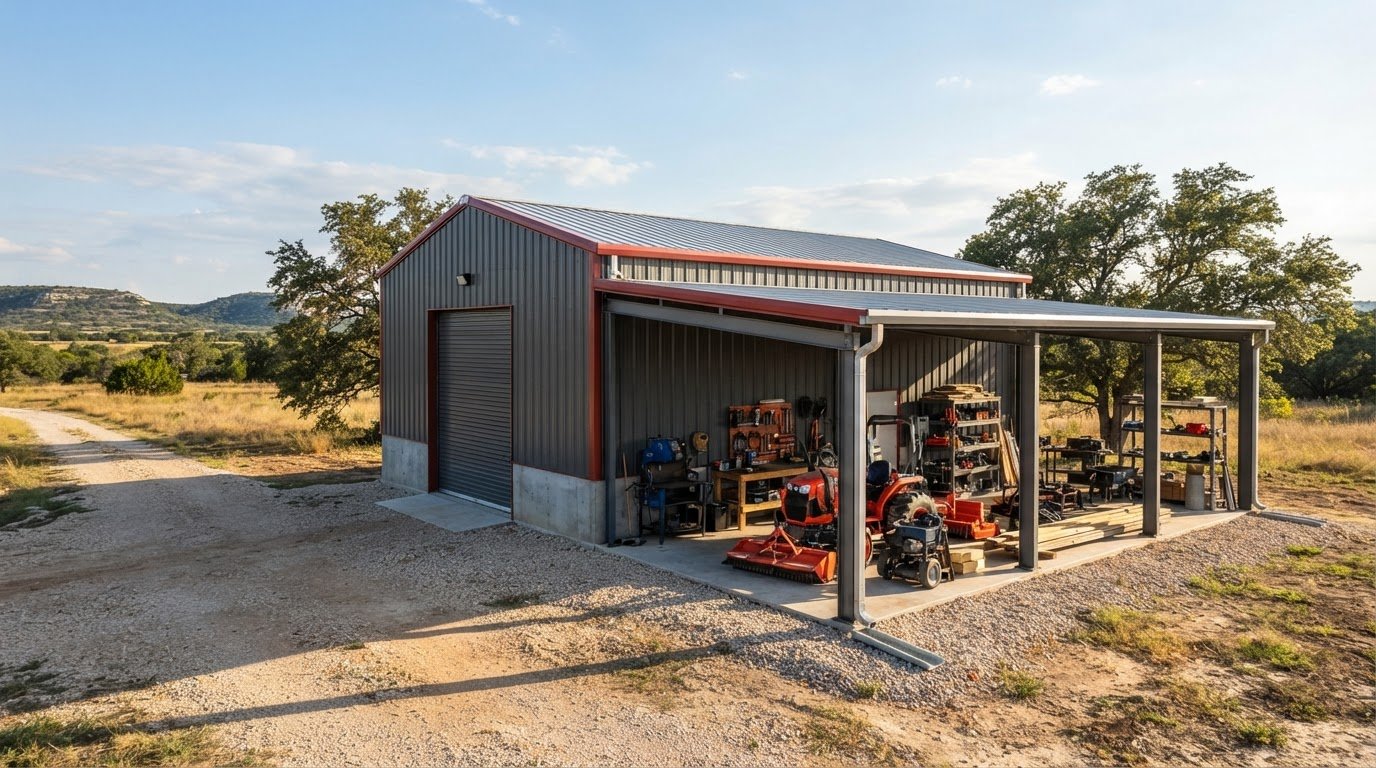
In Central Texas, you can use the environment to your advantage. A south facing porch or deep overhang can shade the main structure during the hottest part of the day while still allowing natural light to enter. This reduces the radiant heat load on your steel panels. You should also consider prevailing wind patterns. By placing openings to facilitate cross ventilation, you can use natural breezes to cool unconditioned workshops or barns. Many owners choose pre-engineered steel buildings because they offer the flexible layout options needed to align with these natural forces. This approach turns your site’s geography into a tool for thermal management.
Landscaping and Natural Shading
Existing tree lines are a valuable asset for any new construction. Positioning your building to take advantage of afternoon shade from mature trees can lower the temperature of your siding by several degrees. However, you must also be mindful of the ground surface around your building. Large gravel or concrete pads reflect heat back onto your walls, which increases the cooling load. Planning for future growth is also vital. Consider how future additions or nearby structures might block your airflow or reflect additional heat onto your current building. Creating thermal buffer zones, such as placing storage rooms or utility areas on the west side of a building, can further protect your main living or work areas from the harshest sun.
A building that is designed with its environment in mind will always outperform one that is placed at random. By coordinating your site layout with a high quality steel package, you ensure your project is efficient from the moment the first column is set. To get started on a layout that works for your property, you can request a quote for a custom building package that meets your specific energy goals.
Partnering with Bradberry Steel for Efficient Building Design
Building a high-performance structure requires more than just good intentions. It demands a partner who understands the specific challenges of the Central Texas landscape. For over 25 years, Bradberry Steel has served as a primary resource for builders and property owners across the region. We focus on providing the technical expertise and high-quality material packages necessary for successful energy efficient metal building design Texas. Whether you are planning a small backyard shop or a sprawling commercial facility, the foundation of your energy savings starts with a precision-engineered kit. We specialize in providing durable solutions for everything from steel framed homes to commercial aircraft hangars.
Our team understands that a building kit is only as good as the components it includes. We help you coordinate the right materials to ensure your project meets your performance goals. This includes selecting the correct panel profiles for weather tightness and ensuring your structural frame is ready for the insulation systems discussed in previous sections. By focusing on the quality of the steel supply, we give you and your local contractor a reliable starting point for a building that will last for generations.
Designing Your Project with Precision
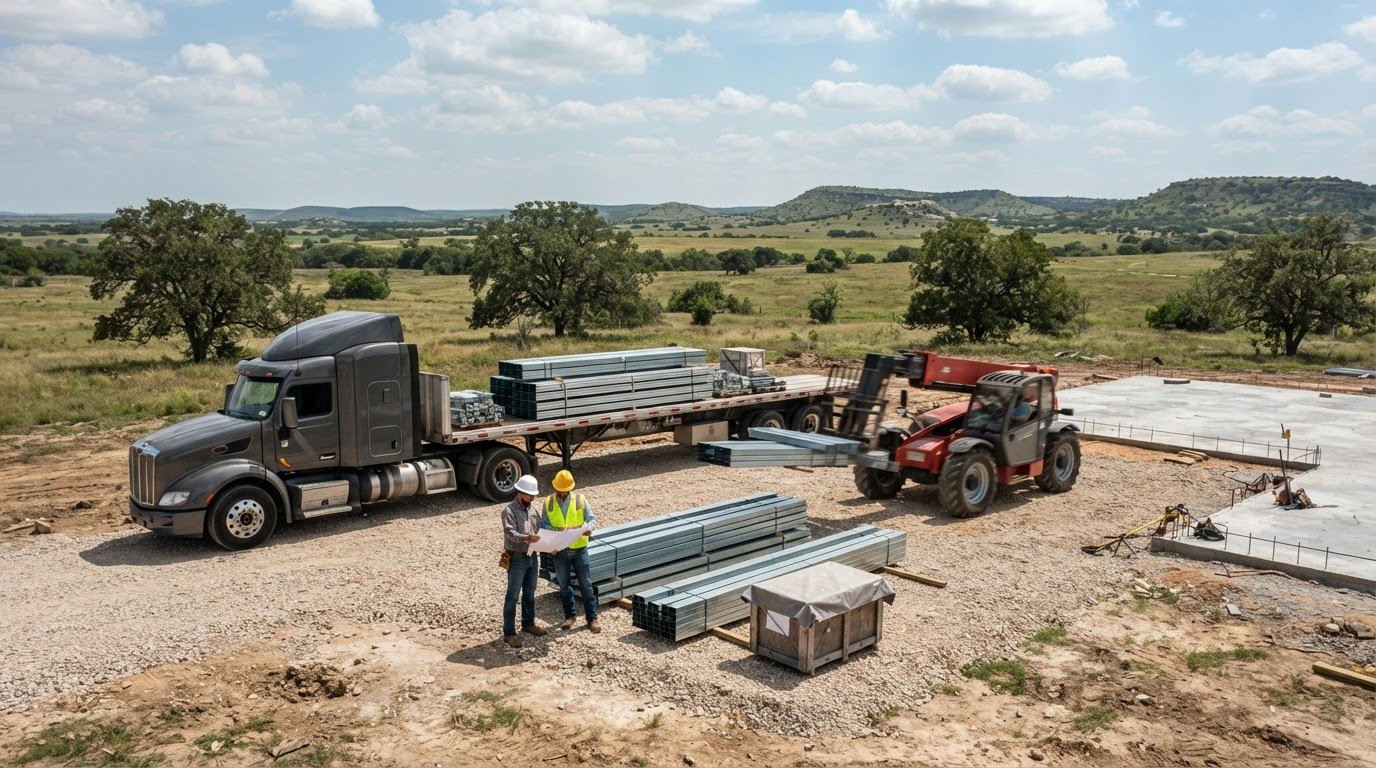
Planning for efficiency shouldn’t be a guessing game. You can utilize our online tools to visualize your structure and select colors that provide the best thermal performance. We invite you to use our 3D design tool to start your efficiency planning today. This tool allows you to experiment with different layouts, door placements, and roof pitches before you ever place an order. Our primary focus is providing the highest quality steel supply. Once your custom kit is delivered to your site, it is ready for your chosen local contractor to begin the installation process with confidence.
The Bradberry Commitment to Quality
The rugged nature of our pre-engineered steel systems is a point of pride for our team. These buildings are designed to withstand the extremes of the Texas climate while remaining cost-effective and low-maintenance. We are not a faceless corporation; we are a local partner invested in the growth and stability of the Central Texas community. We take the time to ensure your material package is complete and manufactured to the precise tolerances required for a tight, energy-efficient envelope. When you are ready to move from the planning phase to reality, you can request a quote for your specific energy efficient design. We look forward to providing the dependable steel supply your next project deserves.
Build Your Legacy with a High-Performance Steel Structure
Designing a structure that withstands the Texas heat requires more than just heavy-duty materials. It demands a strategy that combines smart site orientation with advanced thermal management. By prioritizing cool roof technology and choosing insulated components, you protect your investment from the inside out. Successful energy efficient metal building design Texas is about creating a workspace or home that remains comfortable while keeping your monthly utility bills low. Bradberry Steel brings over 25 years of Texas steel expertise to every project, providing rugged and dependable material packages specialized for our unique Central Texas climate needs.
We focus on delivering precision-engineered kits that serve as the foundation for your local contractor’s work. You have the power to control your building’s performance before the first piece of steel arrives on your property. Take the first step toward a more efficient future today. Start designing your energy efficient Texas steel building with our 3D tool and see how a custom package can work for you. Building something that lasts starts with a plan that works.
Frequently Asked Questions
Are metal buildings energy efficient compared to wood frame buildings?
Metal buildings can be more efficient than wood frames because they allow for thicker, continuous insulation layers. While steel conducts heat, energy efficient metal building design Texas uses thermal breaks to stop that transfer. This creates a superior airtight seal that prevents the drafts common in aging wood structures. A properly designed steel building kit provides a precision fit that wood simply cannot match over time.
What is the best insulation for a metal building in Texas?
Closed-cell spray foam is widely considered the best option for the Texas climate. It provides a high R-value in a thin layer and acts as a built-in vapor barrier to block humidity. If you use fiberglass blankets, you must ensure they are thick enough to meet 2021 IECC codes and include a high-quality reinforced facing. This facing is essential for protecting the insulation from moisture and physical damage.
How do I prevent condensation in my Texas steel building?
You prevent condensation by installing a high-quality vapor barrier and ensuring adequate ventilation through ridge vents. Condensation occurs when warm, humid air touches a cold steel surface. By sealing the interior and allowing air to circulate, you keep the steel dry and prevent rust or mold from forming. This is especially important in Erath County, where humidity levels can fluctuate significantly throughout the year.
Does the color of my metal roof really affect my electric bill?
Roof color has a major impact on your cooling costs because of how it handles solar radiation. Light colors like white or light stone reflect energy and can keep your roof surface 50 degrees cooler than dark colors like charcoal. This reduces the heat that enters your building and can lower your peak cooling demand by 15 percent to 25 percent. Choosing the right finish is a simple way to save money.
Can I add solar panels to a Bradberry Steel building kit?
Yes, a Bradberry Steel building kit is an excellent foundation for solar power. The standing seam roofs common in our packages allow for solar panels to be clamped on without piercing the metal panels. This preserves your warranty while letting you take advantage of the 30 percent federal tax credit available for solar projects in 2026. Steel roofs are the most durable choice for supporting long-term renewable energy systems.
What is a thermal break and why do I need one?
A thermal break is a non-conductive material placed between the exterior metal panels and the interior steel frame. Since steel transfers heat quickly, you need this barrier to stop energy from bridging into your workspace. This is a critical component of energy efficient metal building design Texas that keeps your HVAC system from working too hard. Without it, your frame acts like a radiator during the summer months.
How much can I save on cooling costs with an efficient design?
Proper design can reduce your annual cooling expenses significantly. A cool roof alone can save between $400 and $800 annually for a typical 2,500 square foot structure in North Texas. When you combine this with high-performance insulation and smart site orientation, the long-term savings on your utility bills are substantial. These choices pay for themselves through lower monthly operating costs over the life of the building.
Do I need a special foundation for an energy efficient steel home?
You don’t need a special foundation, but your slab should be designed to support the specific loads of a steel frame. While Bradberry Steel does not provide foundation or concrete work, we recommend discussing slab edge insulation with your local contractor. This prevents heat from the Texas ground from creeping into your floor. Ensuring your foundation is correctly insulated is a vital step for any high-performance residential steel project.
Disclaimer
Bradberry Steel is a steel supply and metal building package company based in Dublin, Texas. We do not provide installation, site preparation, foundation work, or general contracting services. All building projects should be reviewed by a qualified local contractor and may require permits depending on your county or municipality. Contact Bradberry Steel for product guidance and material quotes.