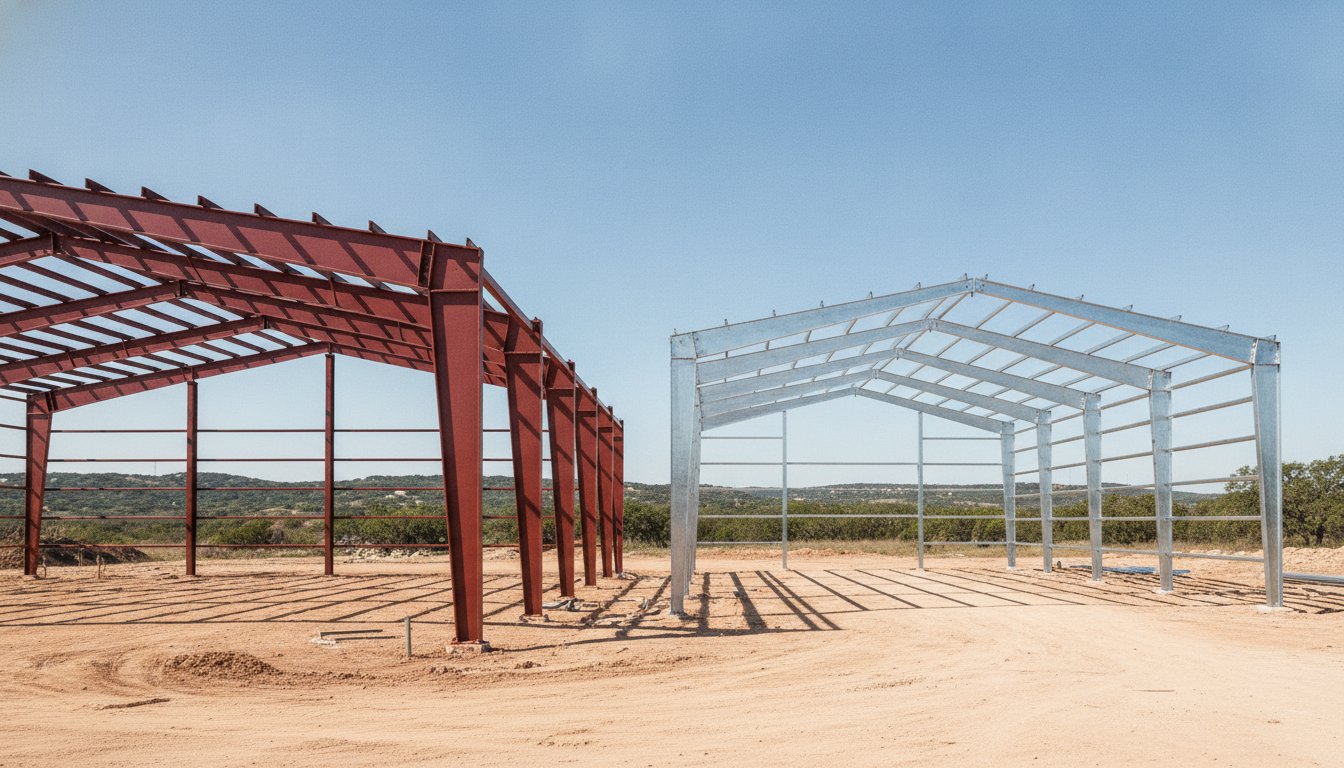
A building frame in Central Texas has to survive more than just the wind; it has to survive the air itself. Choosing between red iron vs galvanized steel buildings is the most important decision you’ll make before your slab is even poured. It’s common to feel uncertain about which material will actually hold up against the humidity or support the wide spans your equipment requires. You want a structure that stands as a legacy, not one that requires constant worry over rust or structural integrity.
You deserve a project that offers peace of mind rather than a future maintenance headache. This guide identifies the critical differences between these two framing options to help you choose the most durable and cost-effective solution for your specific site. We’ll compare structural strength, corrosion resistance, and the best applications for each material type. At Bradberry Steel, we’ve spent over 25 years providing our neighbors with the expertise needed to build with confidence. From massive aircraft hangars to residential workshops, we’ll help you understand which steel frame fits the scale and environment of your project.
Key Takeaways
- Identify the fundamental differences between red iron oxide primer and molten zinc galvanized coatings to ensure your building survives the Texas humidity.
- Compare the structural strength and span capabilities of red iron vs galvanized steel buildings to see which frame supports the wide open spaces needed for hangars and large warehouses.
- Debunk common myths about steel corrosion and learn why red iron remains the industry standard for heavy-duty commercial and agricultural applications.
- Evaluate how the size and intended use of your project dictate whether a light-gauge or heavy-duty structural frame is the most cost-effective choice.
- Gain the confidence to select a building package that balances initial material costs with long-term structural reliability and minimal maintenance.
Understanding Red Iron and Galvanized Steel Basics
Choosing the right skeleton for a project is the first step toward a building that lasts decades. In the Lone Star State, the conversation usually centers on red iron vs galvanized steel buildings. Both materials offer distinct advantages for the unique Texas climate. While red iron provides the heavy-duty mass needed for large spans, galvanized steel offers specialized chemical protection against moisture. Understanding Structural Steel Basics is vital for any project owner who wants to balance initial costs with long-term reliability.
These two materials dominate the market because they are purpose-built for efficiency. Red iron is the standard for heavy structural frames, while galvanized steel is often used for secondary components or smaller, specialized structures. At Bradberry Steel, we help our clients navigate these choices to ensure their pre-engineered steel buildings are designed for the specific demands of their site. Whether you are planning a massive commercial warehouse or a simple workshop, the material you choose dictates the lifespan of your investment.
What is Red Iron Structural Steel?
In Central Texas, you’ll see red iron in everything from agricultural barns to massive distribution centers. It is the primary choice for weld-up buildings and large frames because it offers incredible load-bearing capacity at a lower price point than fully galvanized frames. The heavy-duty nature of these beams allows for the wide, clear spans that Texas ranchers and business owners require for their equipment and inventory.
What is Galvanized Steel?
Galvanized steel takes a different approach to protection. Instead of a primer, the steel undergoes a hot-dip process where it is submerged in a bath of molten zinc. This creates a permanent metallurgical bond between the zinc and the steel. This coating is incredibly tough. It won’t chip, peel, or flake off like traditional paint might over several decades.
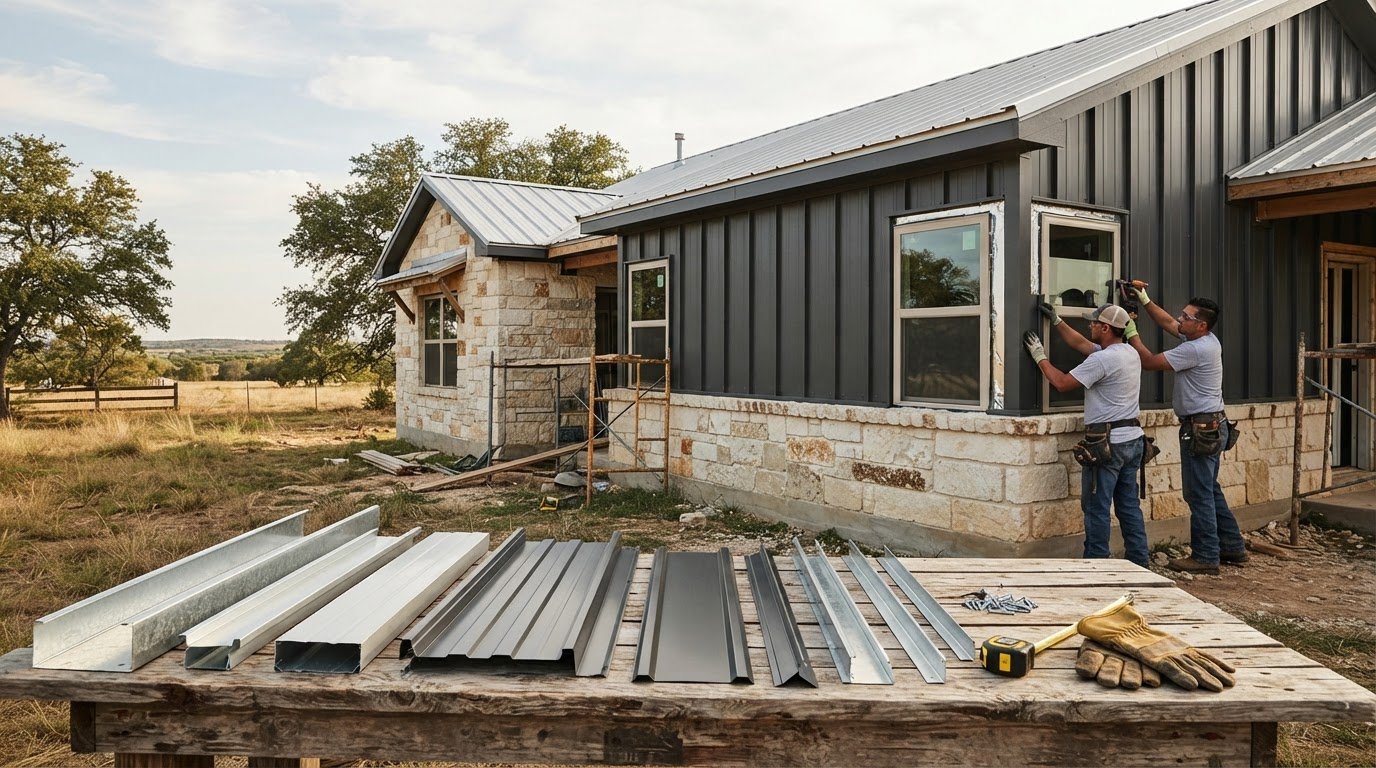
One of the most impressive features of galvanized steel is its self-healing property. If the surface is scratched during a storm or during the assembly of your metal building kit, the surrounding zinc protects the exposed steel through a process called galvanic action. You will most commonly find galvanized steel used for secondary framing members like purlins and girts. These components provide the extra support needed for your roof and wall panels, ensuring the entire structure remains rigid and weather-tight.
Structural Strength and Span Capabilities
When comparing red iron vs galvanized steel buildings, the primary distinction lies in their structural capacity. Red iron is built for heavy-duty performance. It utilizes thick structural steel I-beams that can withstand massive pressure. In contrast, many galvanized buildings use light-gauge tubular steel. While galvanized options are excellent for smaller structures, they simply cannot match the load-bearing potential of a heavy-duty red iron frame. Choosing the wrong skeleton for a large project can lead to structural failure or the need for intrusive interior columns that eat up your floor space.
Why Red Iron Dominates Large Open Spans
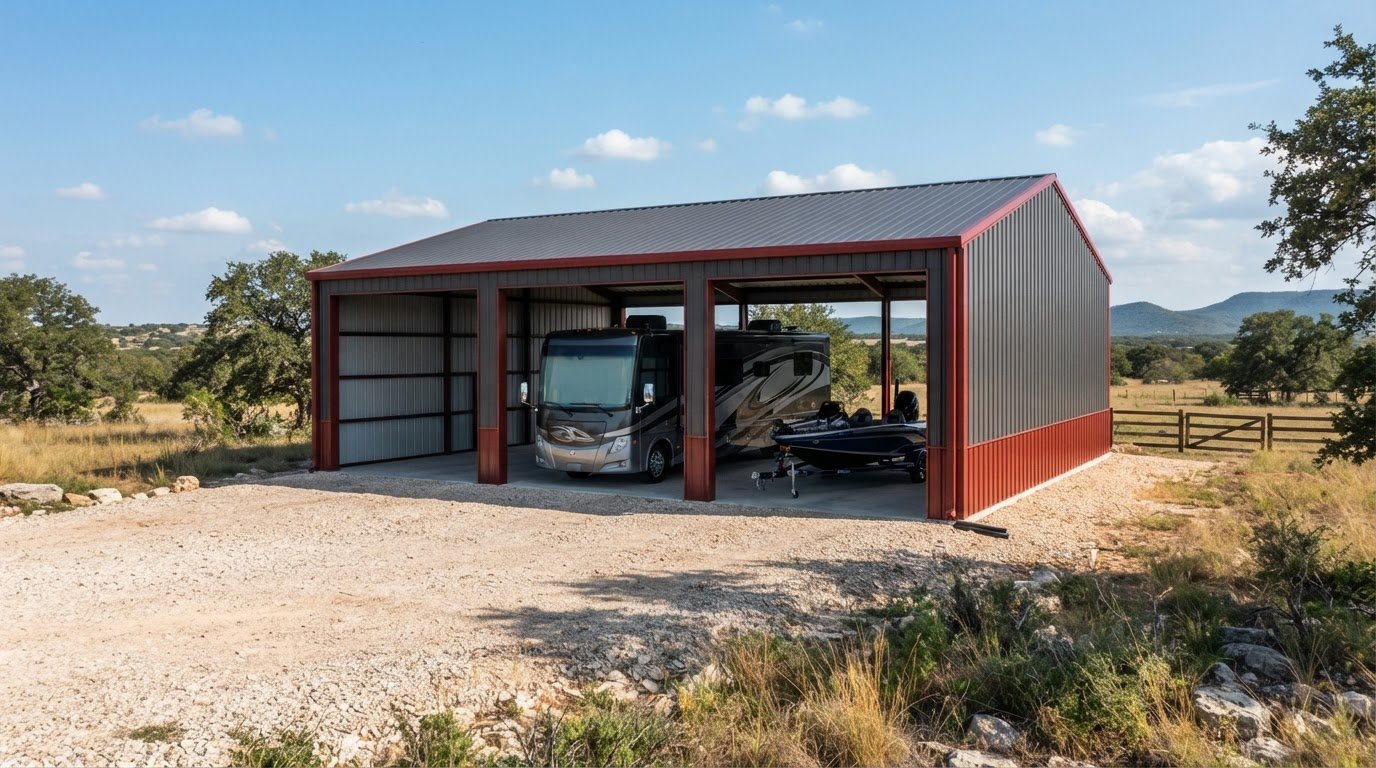
For projects requiring wide, clear spaces like aircraft hangars or industrial warehouses, red iron is the only logical choice. These frames support heavy roof loads across distances exceeding 100 feet without the need for interior columns. This is essential for moving large machinery or storing aircraft. In the Dublin and Stephenville areas, buildings must also handle significant wind loads. Red iron frames are engineered to meet these demands, providing a stable backbone that won’t flex or fail under pressure. Red iron I-beams are manufactured to handle the specific requirements of the ASCE 7-22 standard, which includes provisions for wind and tornado loads. You can see how these frames come together on our pre-engineered steel buildings page.
Galvanized Steel for Secondary Members
Strength isn’t just about the main frame. Most high-quality buildings use a hybrid approach. While the main columns are red iron, the secondary members like purlins and girts are often galvanized. This is because these smaller components are more susceptible to moisture trapped between the frame and the wall panels. Understanding how galvanized coatings protect steel helps explain why this combination is so effective. The zinc coating prevents rust on these critical attachment points through a process of cathodic protection. This hybrid design is a staple in self-storage facility kits and residential workshops. It offers the structural mass of red iron where it counts and the corrosion resistance of galvanized steel where it is most needed. If you aren’t sure which frame suits your acreage, you can experiment with different layouts using our 3D design tool to visualize your project.
Corrosion Resistance in the Central Texas Climate
Texas weather is unpredictable. The intense UV rays from the sun can bake a coating until it becomes brittle, while the morning dew introduces moisture into every crevice. These conditions present a specific challenge for any structure. When choosing between red iron vs galvanized steel buildings, you must consider how each material handles these environmental stressors over several decades. It isn’t just about surviving a single storm; it’s about withstanding the relentless cycle of heat and humidity that defines our region.
Many people mistakenly believe red iron is “unprotected” steel. This is a common myth. The red oxide primer is an industrial-grade barrier applied at the factory. It’s designed to keep moisture out during the fabrication, shipping, and assembly phases. Once a building is dried-in with wall and roof panels, the frame is largely shielded from the sun and rain. However, the silent threat to any steel frame is condensation. Without proper ventilation, moisture can collect on the interior of your frame. This is why we emphasize design features that promote airflow to keep your investment dry and stable.
The Protective Power of Red Oxide Primer
The primer on red iron isn’t just for color. It acts as a rugged shield that prevents oxidation from taking hold before your building is fully enclosed. For most commercial and agricultural projects in Dublin and Stephenville, this protection is more than sufficient. Once the building is clad, the red iron remains in a climate-controlled or at least weather-shielded environment. For those looking for more detail on how to keep their structure in top shape, our understanding structural steel components guide offers specific maintenance tips for Central Texas residents. Keep in mind that for long-term exposure in open-sided structures, red iron may eventually require a topcoat of paint to maintain its integrity against the elements.
How Galvanized Zinc Prevents Rust
Galvanized steel operates on the principle of sacrificial protection. The zinc coating is chemically bonded to the steel, meaning it won’t chip or peel like a standard paint job. In high-moisture environments like livestock barns, wash bays, or areas near the coast, this zinc layer is essential. If the coating is scratched, the surrounding zinc actually corrodes first to protect the exposed steel underneath. This makes it an incredibly low-maintenance option for specific agricultural needs. Bradberry Steel also provides high-quality residential metal roofs that utilize these same galvanized layers to ensure your home stays protected for decades. If you are planning a project in a particularly damp area, using galvanized components for your secondary framing is a smart, long-term move.
Cost Comparison and Long-Term Maintenance
Comparing red iron vs galvanized steel buildings requires looking beyond the initial invoice. You have to consider the total cost of ownership. For many Texas ranchers and business owners, the goal is a structure that pays for itself through decades of reliability. While one material might appear more affordable today, the maintenance requirements over the next 20 years could flip that equation. Every project has a unique balance between the cost of materials and the labor required to keep them in peak condition.
Steel remains the most cost-effective and low-maintenance building solution for the Texas climate. It doesn’t warp like wood or crumble like masonry. However, the specific type of steel you choose for your frame dictates your future workload. Understanding these financial trade-offs is essential for making a confident long-term investment in your property.
Initial Investment for Your Steel Package
Galvanized steel usually carries a higher price per pound. This is due to the intensive hot-dip zinc process required to bond the protective coating to the metal. While this adds to the upfront cost, it provides a level of protection that paint cannot match. On the other hand, red iron is often more economical for massive commercial and industrial structures. Because red iron is incredibly strong, engineers can often design frames that use less total steel to achieve the same structural integrity in large spans. This reduces the total material volume needed for the project. To see how these factors apply to your specific site, you should request a quote for accurate regional pricing.
Maintenance Requirements and Durability
Maintenance is where these two materials truly diverge. Red iron depends on its red oxide primer and the building’s exterior cladding to stay protected. If the frame is left exposed to the elements or used in an open-sided barn, it may eventually require repainting to prevent surface rust. Galvanized steel is essentially a “set it and forget it” solution. In Erath and Comanche counties, where cattle and equipment are constantly moving, the scratch-resistant nature of galvanized steel is a major benefit. Even if the surface is dinged by a tractor, the zinc continues to protect the steel underneath.
Bradberry Steel focuses on supply precision to help you avoid future headaches. We ensure every component in your package meets the exact specifications of your design. This reduces long-term structural issues caused by poor fitment or mismatched materials. Whether you choose a heavy-duty red iron frame or a specialized galvanized kit, the key is starting with a plan that accounts for your budget and your daily workload. You can begin this process today by using our 3D design tool to visualize the best layout for your property.
Selecting the Right Material for Your Texas Project
Choosing between red iron vs galvanized steel buildings is a matter of matching the material to the mission. It isn’t about finding a single “best” metal; it’s about selecting the frame that handles the specific physical and environmental demands of your property. A massive commercial warehouse requires a different structural approach than a backyard workshop. By understanding the strengths of each material, you can make a decision that ensures your building remains a functional asset for decades without unnecessary overhead or structural worry.
Bradberry Steel acts as your partner in procurement, ensuring that the materials delivered to your site are exactly what your project requires. We focus on design coordination to help you avoid common pitfalls in material selection. Whether you need the brute strength of structural I-beams or the specialized protection of zinc coatings, we provide the expert guidance needed to move your project from a concept to a reality.
Best Use Cases for Red Iron Buildings
Red iron is the heavy-duty solution for those who need to go big. It is the gold standard for aircraft hangars and large agricultural barns where wide, open spaces are non-negotiable. If your design requires clear spans over 40 feet or exceptionally high ceilings for equipment storage, red iron provides the necessary structural mass. It remains the most popular choice for industrial metal buildings in Texas because it handles the high wind loads of the Central Texas plains with ease. For projects where scale and load-bearing capacity are the primary concerns, a red iron frame offers the most cost-effective path to a durable structure.
When Galvanized Steel is the Smarter Choice
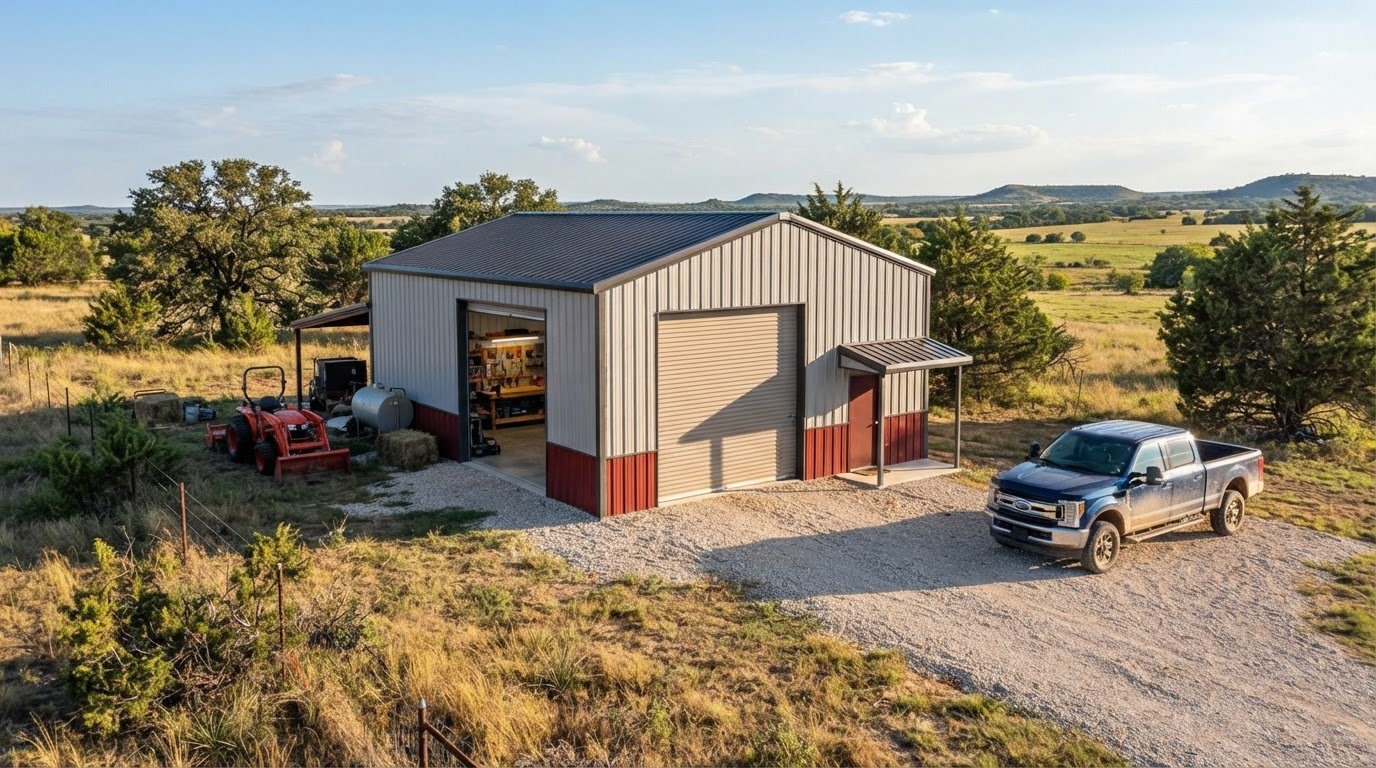
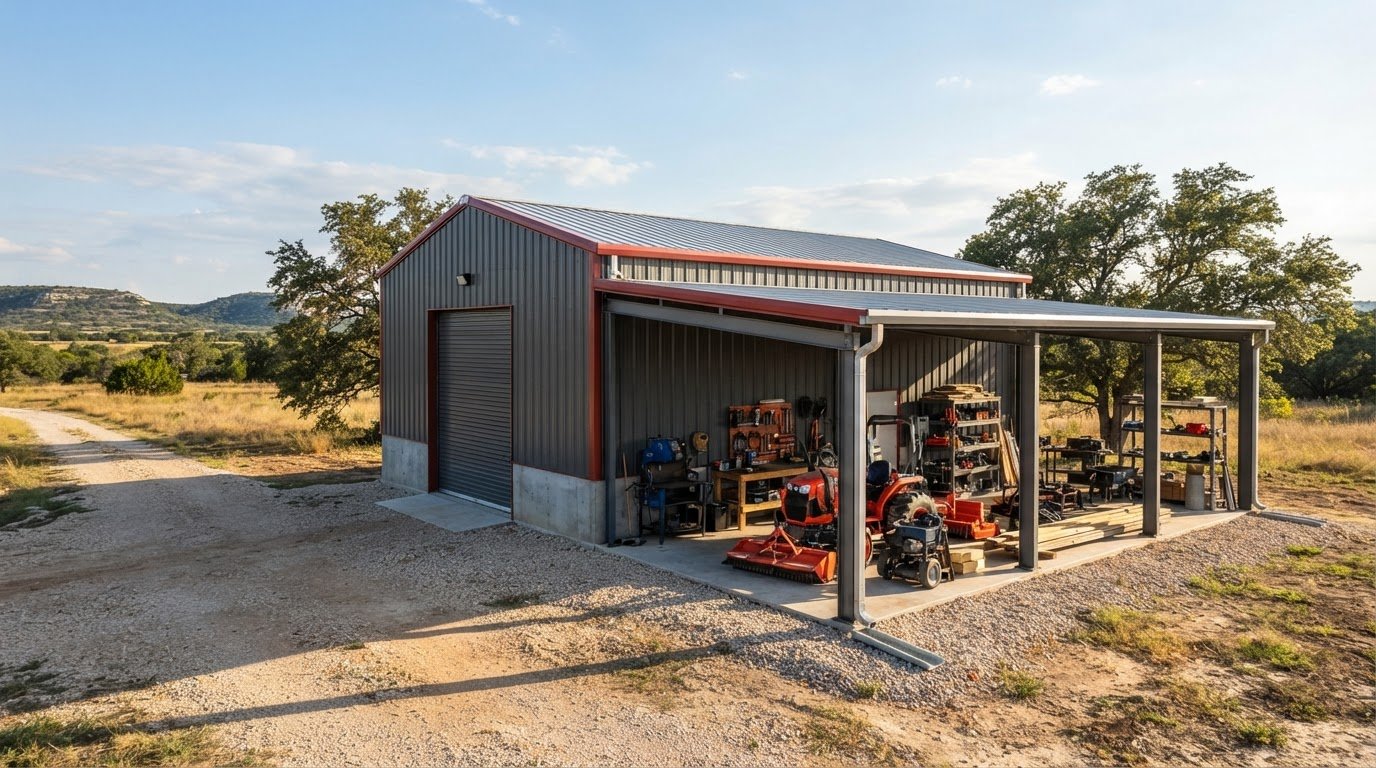
Galvanized steel is the superior option for smaller, more specialized applications. It is the smarter choice for residential workshops, small-scale storage, and environments where moisture is a constant factor. For those planning steel framed homes, galvanized steel is often utilized for secondary framing and light-gauge components to ensure the skeleton of the house remains pristine for a lifetime. You should also insist on galvanized steel for any components that will remain exposed to the elements, such as the framing for open-sided lean-tos or wash bays. The self-healing nature of the zinc coating provides a level of security against rust that primer alone cannot match in high-moisture scenarios.
The best way to determine which frame fits your vision is to see it for yourself. You can start your project today by utilizing our 3D design tool to visualize your layout and experiment with different building sizes. Once you have a clear picture of your requirements, we can help you coordinate the perfect steel package for your Texas legacy.
Secure Your Investment with the Right Steel Frame
Choosing between red iron vs galvanized steel buildings is about more than just checking a box on a material list. It’s about matching structural strength to the specific demands of your property. You now know that red iron provides the heavy-duty backbone required for massive clear spans, while galvanized steel offers specialized protection in moisture-heavy environments. Most successful Texas projects utilize a hybrid approach to ensure structural integrity and minimal maintenance for decades.
Bradberry Steel brings over 25 years of Texas steel expertise to every project. As a local, family-owned operation in Dublin, we supply high-quality structural steel components that stand up to our regional climate. We’re here to act as your dependable partner in material coordination and planning. You don’t have to guess which material fits your acreage. You can start designing your custom steel building with our 3D tool to visualize your layout and prepare for your next big project. Build with confidence and create a legacy that lasts.
Frequently Asked Questions
Which is better for a 40×60 shop in Texas: red iron or galvanized?
Red iron is generally the better choice for a 40×60 shop because it handles the structural load of larger spans more efficiently. While galvanized steel works well for small sheds or carports, a shop of this size benefits from the heavy-duty I-beams found in red iron kits. This ensures the structure remains rigid against high winds without requiring extra interior columns that eat up your floor space.
Does red iron steel rust faster than galvanized steel?
Red iron can rust faster if the protective primer is left exposed to the elements for several years without a topcoat or cladding. Galvanized steel uses a zinc coating that chemically prevents rust through sacrificial protection. However, once a red iron building is fully enclosed with metal panels, the frame is shielded from rain and sun. This makes it an incredibly durable choice for the Central Texas climate.
Can I use a mix of red iron and galvanized steel in my building?
Mixing the two materials is a standard practice in high-quality building packages. Many projects use red iron for the main structural frame and galvanized steel for secondary members like purlins and girts. When evaluating red iron vs galvanized steel buildings, this hybrid approach gives you the brute strength of red iron where it counts and the extra corrosion resistance of galvanized steel on the smaller components.
Is galvanized steel more expensive than red iron?
Galvanized steel typically carries a higher price per pound because of the intensive hot-dip zinc coating process. While the initial investment is higher, it can save money over time in high-moisture environments by reducing the need for maintenance. For large commercial projects, red iron often remains the more economical choice because its strength allows for an efficient design with less total steel volume.
How long does a red iron building last in the Texas climate?
A properly maintained red iron building can last 50 years or more in the Texas climate. The key to this longevity is ensuring the building is correctly enclosed and ventilated to prevent interior condensation. Since red iron is used in everything from agricultural barns to industrial warehouses, it has a proven track record of standing up to the intense heat and storms common in Erath County.
Do I need to paint galvanized steel to prevent rust?
You do not need to paint galvanized steel for rust prevention. The zinc coating is a permanent metallurgical bond that protects the steel through a process called galvanic action. While you can paint it for aesthetic reasons, the galvanized layer itself is designed to be a low-maintenance solution that survives the elements without any additional topcoats or primers.
Which material is better for an aircraft hangar?
Red iron is the gold standard for aircraft hangars. These structures require massive clear spans to allow planes to move in and out freely. Heavy-duty red iron I-beams support these wide roof loads without the need for interior columns. When comparing red iron vs galvanized steel buildings for aviation projects, red iron provides the necessary structural mass and engineering flexibility required for large-scale safety.
Does Bradberry Steel offer both red iron and galvanized options?
Bradberry Steel supplies both red iron and galvanized components depending on the specific requirements of your project. We coordinate complete building packages that often include a mix of both materials to maximize durability and cost-effectiveness for our neighbors. Our team focuses on providing high-quality structural steel that meets the specific wind load requirements for your site. You can utilize our 3D design tool at bradberrysteel.com to begin planning your layout today.
Disclaimer
Bradberry Steel is a steel supply and metal building package company based in Dublin, Texas. We do not provide installation, site preparation, foundation work, or general contracting services. All building projects should be reviewed by a qualified local contractor and may require permits depending on your county or municipality. Contact Bradberry Steel for product guidance and material quotes.