If you are planning a new shop or barn in Central Texas, the choice between red iron vs galvanized steel is likely your first major hurdle. You want a structure that survives the local humidity and shifting seasons without becoming a rust-streaked eyesore. It is a common concern for ranchers and developers alike who worry that red iron might fail in the heat or that galvanized steel is an overpriced luxury. Bradberry Steel has spent over 25 years helping folks in Dublin and Stephenville navigate these exact decisions with straightforward, expert advice.
You deserve a building package that matches your budget and your long-term goals for durability. This guide explains the critical differences between red iron oxide primer and zinc-based galvanized coatings. We will look at how each material handles the Texas climate, which one suits weld-up projects versus pre-engineered kits, and the real-world cost trade-offs you can expect. By the end, you will have the confidence to select a material that keeps your investment solid for decades.
Key Takeaways
- Learn the fundamental differences between red iron oxide primer and zinc-based galvanized coatings for long-term rust protection.
- Compare the structural advantages of red iron vs galvanized steel to see which fits your budget and specific building site in Central Texas.
- Discover why red iron is the preferred choice for heavy-duty clear-span interiors while galvanized steel provides superior protection for secondary components.
- Understand the cost differences between a lower initial investment in red iron and the long-term maintenance savings of galvanized materials.
- Evaluate which steel type is best for your construction method, whether you are planning a weld-up project or a pre-engineered package.
Red Iron vs Galvanized Steel: Defining the Standards of Texas Building
Choosing the right skeleton for your project starts with understanding the base material. In the Texas construction industry, the debate usually centers on red iron vs galvanized steel. Both materials are staples for local builders, but they serve different structural roles. Red iron is structural steel treated with a red iron oxide primer. This coating prevents rust during transport and while the frame is being erected. Galvanized steel uses a zinc coating to provide a high level of corrosion resistance. At Bradberry Steel, we have supplied materials for both types of structures for over 25 years. We know that the right choice depends on your specific location in Dublin or Stephenville and how you plan to use the space.
What Makes Red Iron the Gold Standard for Strength?
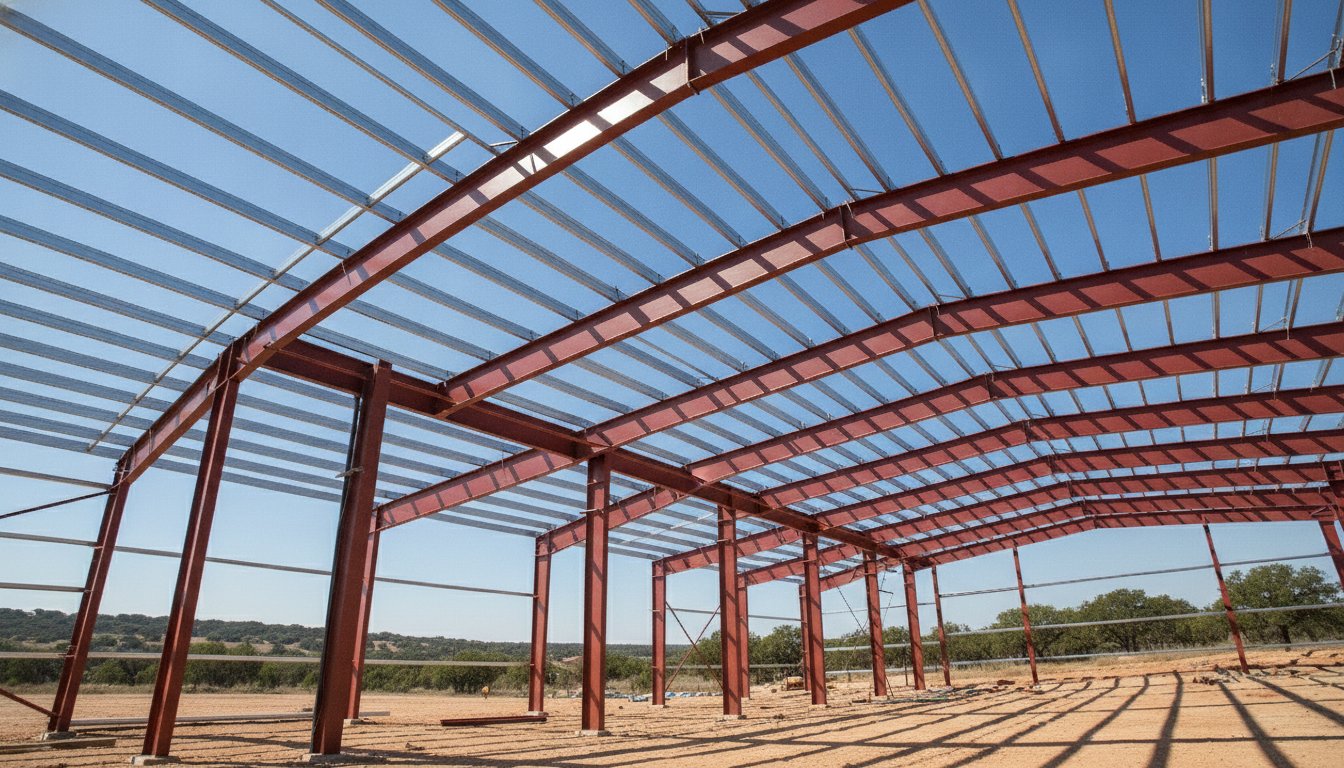
Red iron is characterized by its heavy-duty structural capacity and signature red-orange primer. It is the backbone of most large-scale pre-engineered steel buildings. Because red iron uses heavy I-beams, it allows for massive clear-span interiors. This makes it the primary material for aircraft hangars and commercial warehouses where interior columns would get in the way. The oxide primer is not just for looks. It provides a solid base for secondary painting if you want a specific aesthetic for your interior. It is a cost-effective way to get industrial-grade strength without a premium price tag.
The Protective Science Behind Galvanized Steel
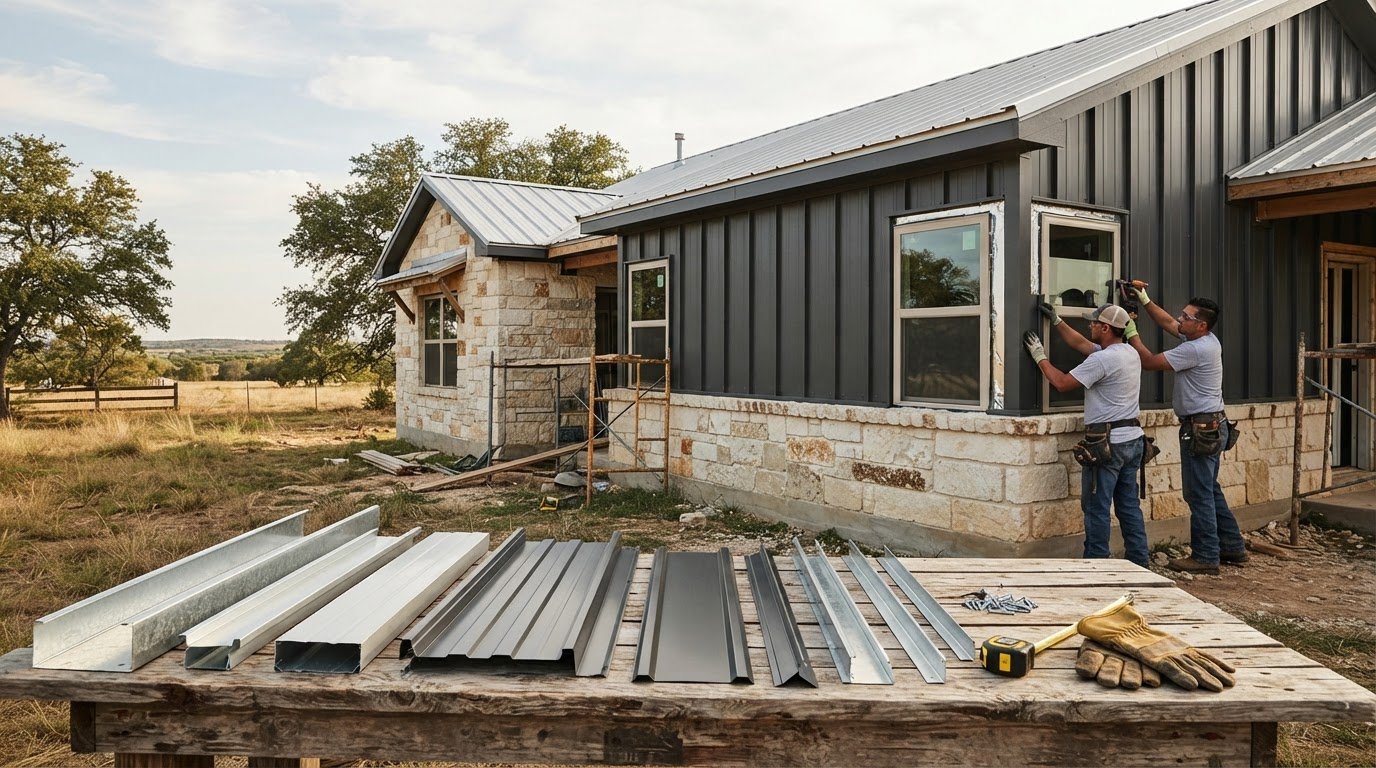
The process of Galvanization involves coating steel in a layer of zinc. This coating acts as a sacrificial layer. It is designed to corrode slowly over time so that the underlying steel remains untouched. This science makes galvanized steel highly resistant to scratches and environmental wear. In a typical building package, you will often find galvanized steel used for secondary framing members. This includes C-purlins, Z-purlins, and girts that support the roof and wall panels. These components are thinner than structural I-beams, so the extra protection against moisture is vital for long-term durability.
For many Central Texas projects, a combination of both materials is often the most practical solution. You get the raw strength of red iron for the main frame and the rust-resistance of galvanized steel for the lighter components. Whether you are planning weld-up buildings or a residential shop, picking the right material is about matching the steel to the job. You can use our 3D design tool to visualize how these components come together for your specific project. This approach ensures your building is engineered for the heat and humidity unique to our region.
The Structural Power of Red Iron in Central Texas Construction
Red iron is the heavy lifter of the Texas construction world. Its reputation comes from an incredible strength-to-weight ratio that makes it the preferred choice for large-scale pre-engineered steel buildings. When comparing red iron vs galvanized steel, the structural capacity of red iron is often the deciding factor for projects requiring wide, open spaces. It allows for massive clear-span interiors that eliminate the need for interior support columns. This flexibility is essential for commercial warehouses and agricultural facilities where unobstructed floor space is a requirement.
The signature red-orange color comes from a factory-applied iron oxide primer. This coating serves as a critical barrier during the high-stakes phases of shipping and on-site assembly. According to industry experts, protective coatings for structural steel are the first line of defense against environmental degradation. While some worry about long-term rust, this primer is engineered to keep the steel sound until the building is fully enclosed. Bradberry Steel recommends red iron for projects where structural integrity and cost-efficiency are the top priorities.
Why Red Iron is Ideal for Aircraft Hangars and Large Workshops
Large structures require the rigid support that only heavy-gauge red iron I-beams can provide. In Erath and Comanche counties, buildings must withstand high wind loads that can stress lighter frames. Red iron provides the stability needed for these conditions. For pilots and aviation enthusiasts, this material is the foundation of reliable aircraft hangars. You can read more about these specific requirements in our pilot’s guide to steel storage. The rigidity of red iron ensures that large hangar doors operate smoothly even after years of use.
Managing Maintenance and Longevity of Oxide-Coated Steel
The relatively dry climate of Central Texas is actually an advantage for oxide-coated steel. In our region, the primer offers excellent long-term protection without the need for constant upkeep. Many owners choose to leave the red iron exposed inside their building to achieve a rugged, industrial look that fits the local landscape. The key to longevity is a proper enclosure. Using high-quality metal roofing and siding prevents the primer from facing direct moisture. This simple step ensures the core structure remains protected for decades. If you are ready to start planning your layout, you can use our 3D design tool to see how a red iron frame fits your vision.
Galvanized Steel: Precision Protection for Secondary Components
While red iron provides the heavy-duty skeleton for your structure, galvanized steel offers precision protection for the components most vulnerable to the elements. Galvanized steel excels in environments where moisture or corrosive materials are present. It is the standard material for secondary framing members like C-purlins and Z-purlins. These members support your roof and wall panels, acting as the bridge between the structural frame and the exterior skin. Because these components are typically made of thinner steel than main I-beams, they require the superior corrosion resistance that only a zinc coating provides. This commitment to using the correct material for the environment is similar to the approach taken by Bowmanville Foundry, which produces specialized malleable and ductile iron castings for various industrial sectors.
At Bradberry Steel, we supply galvanized components to ensure the most vulnerable parts of your building stay rust-free for years. Beyond rust protection, the zinc coating provides a clean, silver finish. This surface reflects light naturally, which brightens the interior of a workshop or garage without the need for additional paint. When weighing red iron vs galvanized steel, it is important to remember that these materials often work best as a team. Using them together ensures every part of the building is matched to its specific environmental exposure.
Base angles are a prime example of where galvanization is a smart choice. These parts sit at the floor level and are in frequent contact with concrete and ground moisture. Using galvanized steel for base angles prevents the rust that often starts at the foundation of older buildings. Purlins and girts also benefit from the maintenance-free nature of this material. By utilizing galvanized secondary members with a red iron primary frame, you create a high-performance building system. This hybrid approach balances the raw strength of structural steel with the long-term durability of zinc protection. For those looking for high-quality components, JABAL AL NOOR Steel is a leading supplier of the long and flat steel products required for such robust industrial and construction projects.
Galvanized steel is also the foundation for modern steel-framed homes. It is used in light-gauge framing for residential projects because it provides a straight, rot-resistant alternative to traditional wood framing. For Dublin homeowners, this means a house that won’t warp, sag, or suffer from termite damage. This precision material ensures that every wall remains perfectly plumb and every corner stays square over time. If you are ready to see how these materials can work for your next project, you can start your layout with our 3D design tool today. This tool helps you visualize how galvanized components integrate into a complete building package.
Critical Comparison: Cost, Durability, and Texas Climate Resilience
Choosing between red iron vs galvanized steel often comes down to a simple calculation of your immediate budget versus your long-term maintenance goals. Red iron typically carries a lower initial price tag. This is because the process of applying an oxide primer is less intensive than the hot-dip or electroplating required for galvanized products. For many business owners in Dublin and Stephenville, these upfront savings allow for a larger building footprint or higher-quality interior finishes. However, galvanized steel offers a different kind of value by virtually eliminating the need for future painting or rust treatment. Bradberry Steel helps you evaluate the specific environmental risks of your site to ensure your material choice is both cost-effective and durable. You can even use our 3D design tool to see how these different materials affect your building’s footprint and layout.
Initial Investment vs Long-Term Value in Erath County
Red iron provides the best value for large agricultural and commercial buildings where the cost per square foot is the primary concern. Its structural strength is unmatched for the price. Conversely, galvanized steel is a wise investment for specialized environments like wash bays, fertilizer storage, or chemical facilities where moisture and corrosive agents are always present. These harsh environments can degrade primer much faster than a standard workshop would experience. Red iron remains the superior choice for standard dry-storage applications because it delivers maximum structural integrity at the lowest possible entry price. This balance of affordability and strength is why it remains the backbone of the Texas steel industry for commercial storage facilities and personal shops.
How the Texas Climate Affects Oxide vs Zinc Coatings
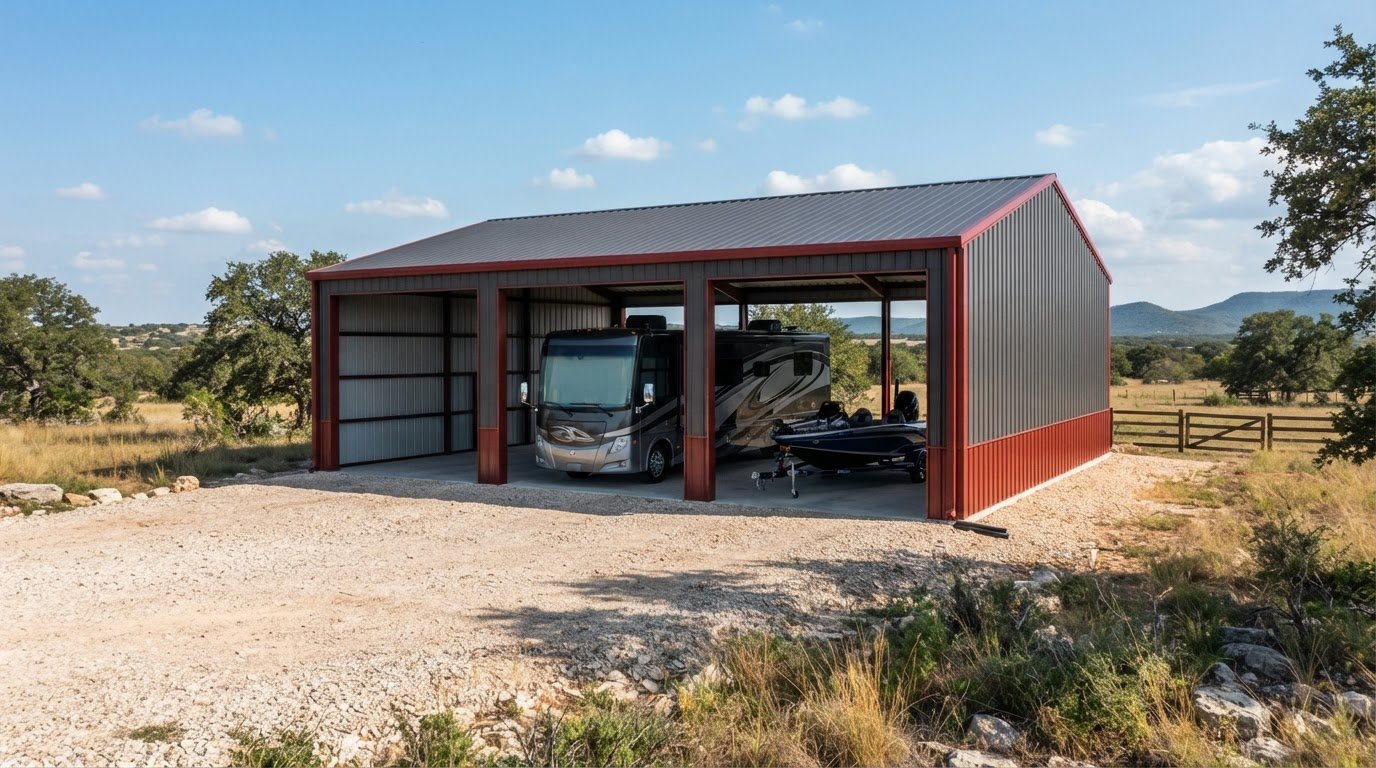
The Central Texas heat and periodic humidity can be tough on building materials. Over several decades, these conditions test the limits of any protective layer. Red iron primer is highly effective if the building stays dry and has proper ventilation. It is a reliable solution for enclosed shops and warehouses where the frame is shielded from the elements. Galvanized steel provides peace of mind for open-sided structures like hay barns or equipment sheds. These buildings face direct exposure to wind-driven rain and heavy morning dew that can linger on the frame. Comparing red iron vs galvanized steel for an open barn usually leads to the zinc-coated option for its superior weather resistance. Zinc protection ensures these exposed frames stay clean and strong without the threat of surface rust. This extra layer of security is worth the investment for structures that won’t be fully enclosed.
If you are ready to see how these materials impact your budget, request a quote for your building package today.
Choosing the Right Material for Your Specific Texas Project
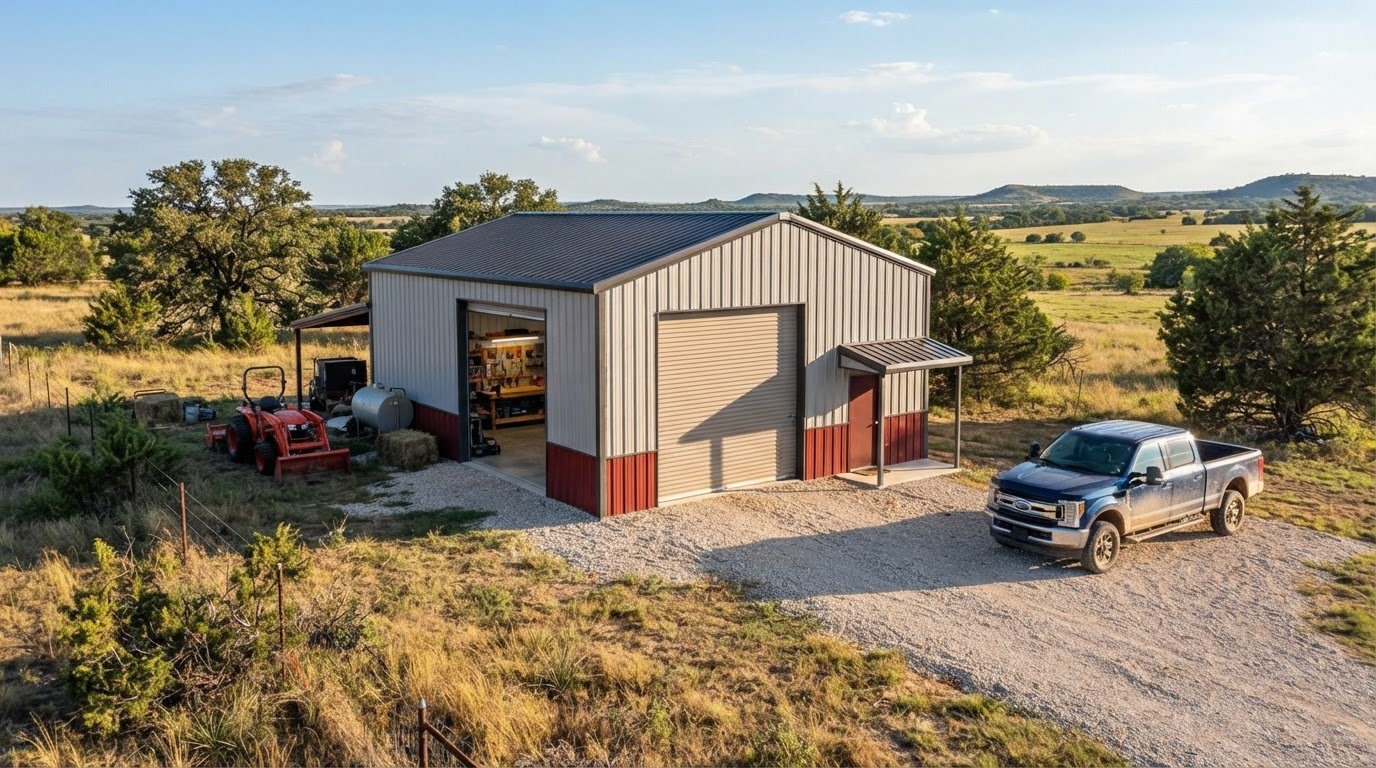
Finalizing your decision between red iron vs galvanized steel requires a clear look at how you will use the building. A fully enclosed workshop in Dublin has different needs than an open-sided equipment shed in a pasture. If you’re building a structure that will be climate-controlled, red iron provides a sturdy and cost-effective frame. For buildings that face constant exposure to wind and rain, galvanized steel components offer the extra protection needed to prevent surface rust over the next thirty years. You must also evaluate your local terrain. Sites located in low-lying areas with higher moisture retention often benefit from galvanized base angles to ensure the skeleton of the building remains pristine.
Consider these factors before finalizing your material list:
- Enclosure: Fully enclosed buildings protect red iron primer from the elements.
- Exposure: Open barns or wash bays require the zinc coating of galvanized steel.
- Budget: Red iron offers the lowest initial cost for large-scale structural frames.
- Maintenance: Galvanized steel virtually eliminates the need for future painting or rust treatment.
Material Selection for Pre-Engineered vs Weld-Up Systems
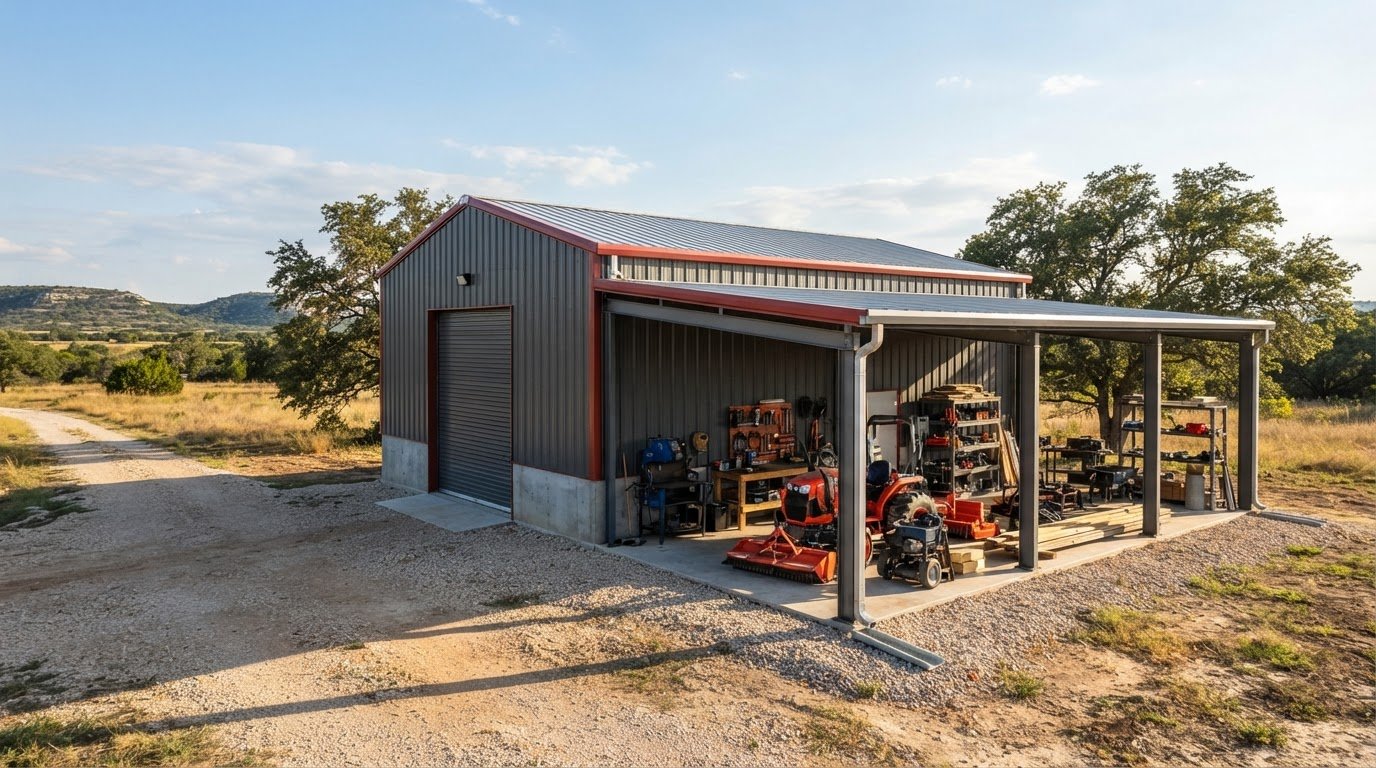
The construction method you choose also dictates your material needs. Pre-engineered buildings often arrive as a balanced kit. These packages typically use red iron for the primary structural beams and galvanized steel for the secondary members. This hybrid design gives you the best of both worlds: industrial strength where it counts and rust protection where it’s most vulnerable. On the other hand, weld-up buildings rely on the availability of high-quality structural steel that can be cut and joined on-site. You can learn more about these differences in our guide to Weld-Up vs. Pre-Engineered Buildings in Texas.
Designing Your Custom Steel Package with Bradberry Steel
The team at Bradberry Steel brings over 25 years of Texas supply experience to your project. We understand the specific challenges of building in the Dublin and Stephenville areas. Our goal is to coordinate the right mix of red iron and galvanized materials to fit your vision and your budget. You can start the process by using our 3D design tool. This allows you to visualize the layout and select the specific components that match your requirements. Once you’ve a design in mind, you can request a quote to receive a detailed breakdown of the materials required. We provide the expert guidance needed to ensure your building package is engineered for long-term durability in the Texas climate.
Build Your Legacy with the Right Steel
Choosing between red iron vs galvanized steel is a vital step in ensuring your project stands the test of time. Red iron delivers the structural strength and cost-efficiency required for heavy-duty frames and wide clear-span interiors. Galvanized steel provides the necessary corrosion resistance for secondary members and exposed components that face the Texas humidity. By combining these materials strategically, you create a high-performance building system that balances your immediate budget with long-term maintenance savings.
Bradberry Steel offers over 25 years of Texas steel expertise to help you navigate these technical decisions. As a family-owned and operated business in Dublin, we take pride in our specialized Central Texas local knowledge and our commitment to integrity. We understand the specific environmental challenges of our region and provide the high-quality components your project requires. Whether you are planning a massive commercial warehouse or a personal workshop, we are here to provide the guidance you need. You can request a custom quote for your red iron or galvanized steel building today to get started. We look forward to helping you build something that lasts for generations.
Frequently Asked Questions
Is red iron steel better than galvanized steel for a Texas workshop?
When deciding between red iron vs galvanized steel for a Texas workshop, red iron is often the practical choice for fully enclosed structures. It provides high structural strength at a lower initial cost. However, if you plan to use the space for washing equipment or storing chemicals, galvanized steel components offer better protection against corrosion. Most local builders use a hybrid approach to balance long-term durability and your project budget.
Does red iron steel rust if it is not painted?
Red iron steel will eventually develop surface rust if left exposed to the elements without a protective enclosure or secondary coat of paint. The iron oxide primer is specifically designed to protect the metal during shipping and the construction phase. Once your building is enclosed with metal roofing and siding, the dry Central Texas climate keeps the frame protected. For open structures, galvanized steel is a more reliable solution.
Why is galvanized steel more expensive than red iron?
Galvanized steel costs more because the manufacturing process involves an extra step called hot-dip galvanization or electroplating. This process bonds a layer of zinc to the steel to create a sacrificial barrier against rust. In contrast, red iron is simply sprayed with a red iron oxide primer. While the upfront investment is higher for galvanized materials, it often pays for itself by eliminating future maintenance and repainting costs.
Can I use red iron and galvanized steel together in the same building?
You can and should use both materials together to create a high-performance building system. This hybrid approach is the standard for most pre-engineered kits supplied by Bradberry Steel. We typically use heavy red iron for the main structural I-beams and galvanized steel for the lighter secondary members like purlins and girts. This ensures the strongest parts of the building are cost-effective while the most vulnerable parts are rust-resistant.
How long does a galvanized steel building last in Central Texas?
A galvanized steel building can last 50 years or more in the Central Texas climate with minimal maintenance. The zinc coating is highly effective at resisting the humidity and temperature swings common in Erath and Comanche counties. Because the coating is bonded to the metal, it does not chip or peel like traditional paint. This longevity makes galvanized components a smart choice for agricultural buildings and equipment sheds.
Is red iron the same as structural steel?
Red iron is a specific category of structural steel that has been treated with a red iron oxide primer. The term refers to the heavy I-beams and C-channels used to form the main skeleton of a building. When comparing red iron vs galvanized steel, both are structural in nature, but red iron is the industry standard for large-span buildings. It provides the necessary rigidity for aircraft hangars and warehouses.
Do I need galvanized steel for an aircraft hangar?
You do not necessarily need an entirely galvanized frame for an aircraft hangar, but using galvanized secondary members is highly recommended. The main structural frame is typically red iron to handle the massive clear-span requirements of aviation storage. However, using galvanized purlins and girts ensures that the parts supporting your roof and wall panels remain free of rust. This combination provides a durable, low-maintenance environment for your aircraft investment.
Which steel type is better for a weld-up building project?
Red iron is generally the better choice for a weld-up building project because the oxide primer is easier to weld through than a zinc coating. Welding galvanized steel requires grinding away the zinc layer to prevent toxic fumes and ensure a strong bond. Most contractors in the Dublin area prefer red iron for on-site fabrication because it is more efficient to work with. You can then apply a cold-galvanizing spray to joints.
Disclaimer
Bradberry Steel is a steel supply and metal building package company based in Dublin, Texas. We do not provide installation, site preparation, foundation work, or general contracting services. All building projects should be reviewed by a qualified local contractor and may require permits depending on your county or municipality. Contact Bradberry Steel for product guidance and material quotes.