Choosing the wrong gauge for your secondary framing is a gamble that could cost you the entire roof during a Central Texas windstorm. You want a structure that stands firm against the elements without overpaying for steel you don’t actually need. It’s common to feel stuck between 4-inch and 8-inch options while trying to decipher how thickness impacts the integrity of your build. Understanding standard c purlin sizes is the first step toward ensuring your building lasts for generations.
We understand the challenges of planning a project in the Hill Country because Bradberry Steel has spent over 25 years as a trusted resource for steel supply and project guidance. You need clear answers on how depth and gauge work together to handle local wind loads. This guide explains how to select the correct components for your workshop, hangar, or barndominium project. We will cover standard dimensions, span capabilities, and the technical details you need to communicate effectively with your supplier. By the end, you’ll have the knowledge to choose your structural components with quiet confidence and the stability of a seasoned pro.
Key Takeaways
- Identify the role of C purlins as secondary framing that transfers roof loads to the primary steel frame.
- Learn the standard c purlin sizes used in Central Texas, including common web depths ranging from 4 to 10 inches.
- Understand how steel gauge affects structural integrity, where lower numbers signify thicker and stronger material.
- Discover how to match specific purlin dimensions to your building type, whether you are planning a workshop or a wide-span aircraft hangar.
- Coordinate your material package with Bradberry Steel to ensure your building design meets the demands of the local climate.
Understanding C Purlins in Metal Building Construction
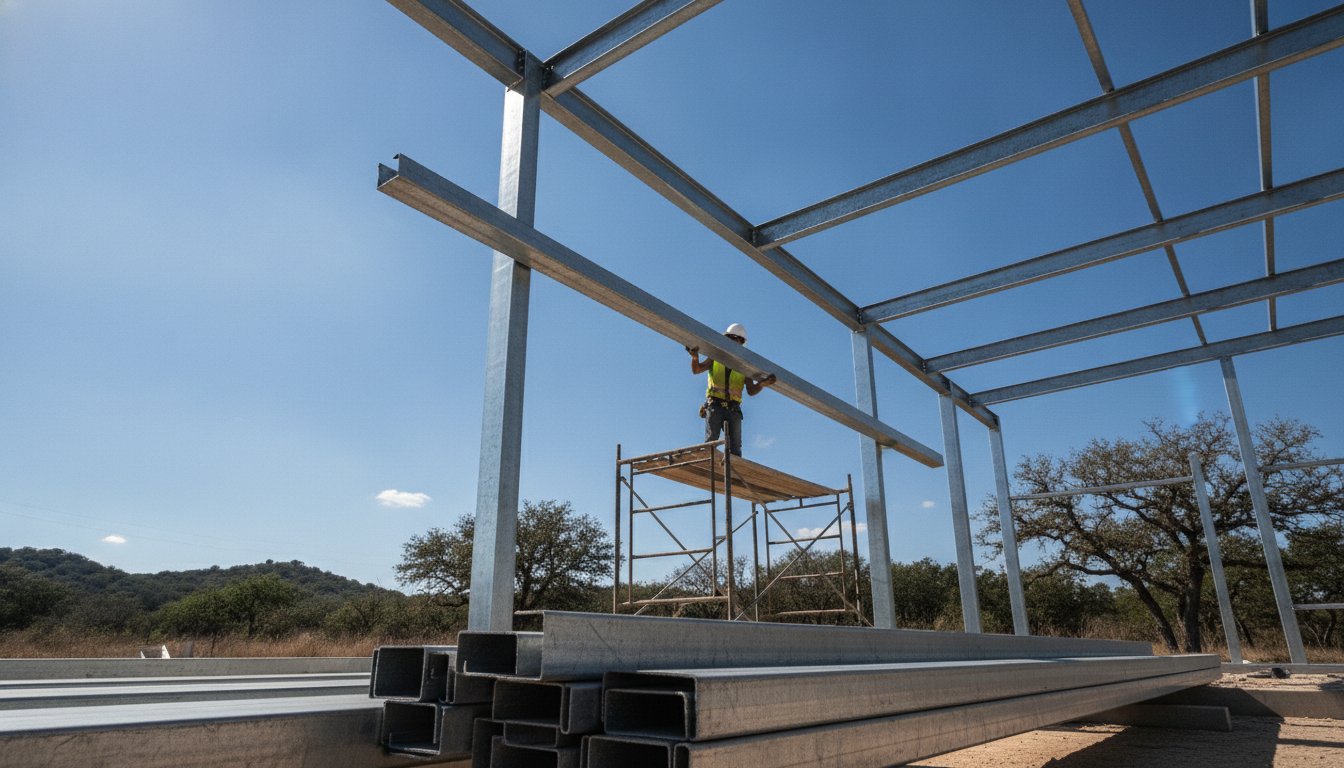
A C purlin is a secondary structural member cold-formed from high-strength steel. It gets its name from its profile, which looks like the letter C. These components are essential for creating the framework that supports your exterior panels. If you want to understand What is a Purlin? and why it matters, think of it as the ribcage of your building. It provides the necessary surface for fastening roof and wall sheets while transferring weight and environmental pressures to the primary frame. For over 25 years, Bradberry Steel has supplied these critical components to ensure Central Texas structures stand the test of time.
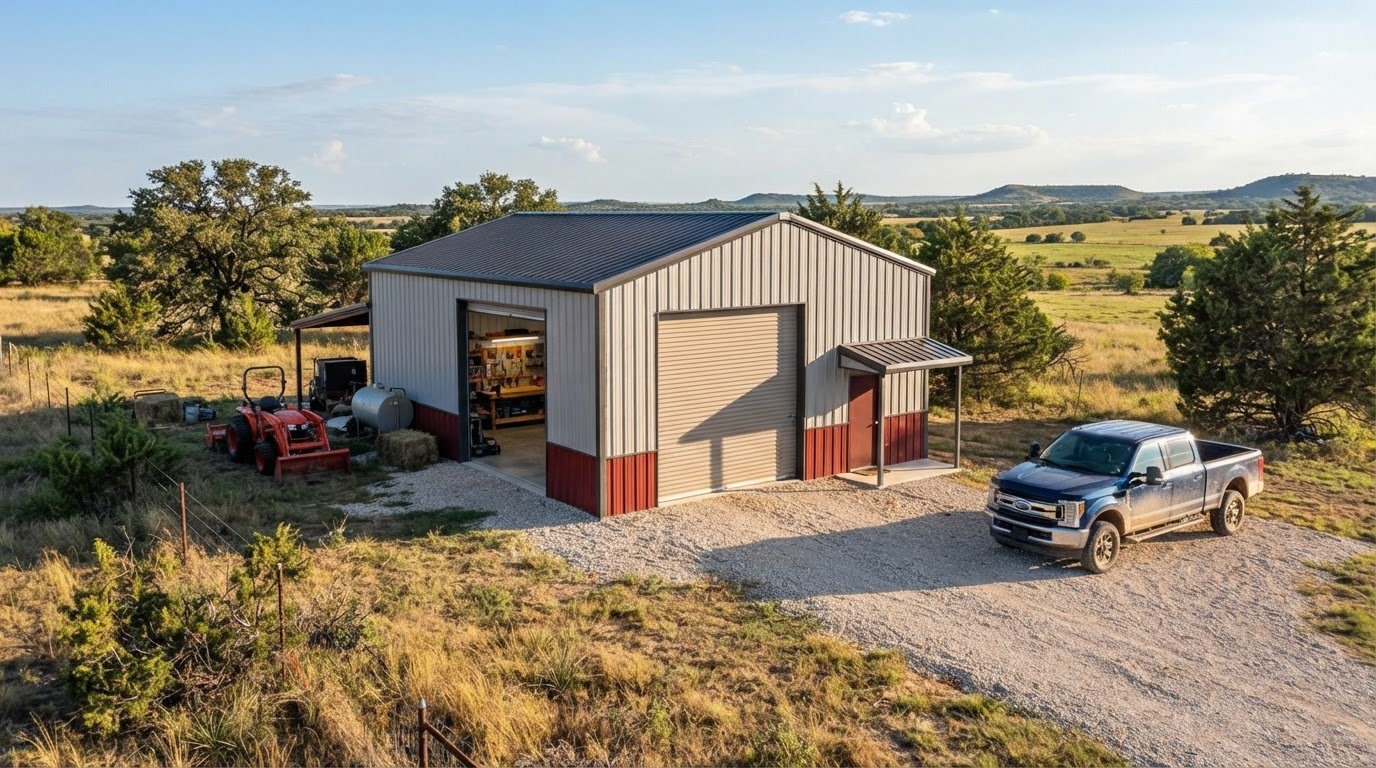
Selecting from the available c purlin sizes is a critical decision during the design phase. These members don’t just hold up panels; they are responsible for transferring environmental loads like wind and dead weight back to the heavy structural rafters. In our region, where wind speeds can be unpredictable, this secondary framing is the key to structural integrity. These components are the backbone of durable shops, hangars, and barndominiums. They ensure the roof remains stable and the walls stay rigid under pressure.
The Difference Between Purlins and Girts
Purlins and girts are often the exact same steel profiles, but their names change based on where they are installed in the structure. Purlins are the members used in the roof system to support the decking. Girts are the same components used in the walls to support the siding. In most Central Texas projects, these members are attached using clips or are welded directly to the primary rafters and columns. They provide the consistent spacing needed for a clean, professional finish on your exterior metal. Bradberry Steel offers these in both red oxide and galvanized finishes to suit the specific needs of your weld-up buildings.
C Purlins vs Zee Purlins
While both shapes serve similar purposes, C purlins are the preferred choice for simple spans and eave applications. They have a clean, rectangular profile that makes them easy to work with and square up on-site. Zee purlins are slightly different because their flanges are offset. This design allows Zee sections to lap over each other, creating a continuous span that is often required in larger pre-engineered steel buildings. For the average workshop or residential project in the Dublin area, builders usually prefer Cee sections. They are straightforward to handle and provide a reliable, flat surface for fastening.
Standard C Purlin Dimensions and Size Charts
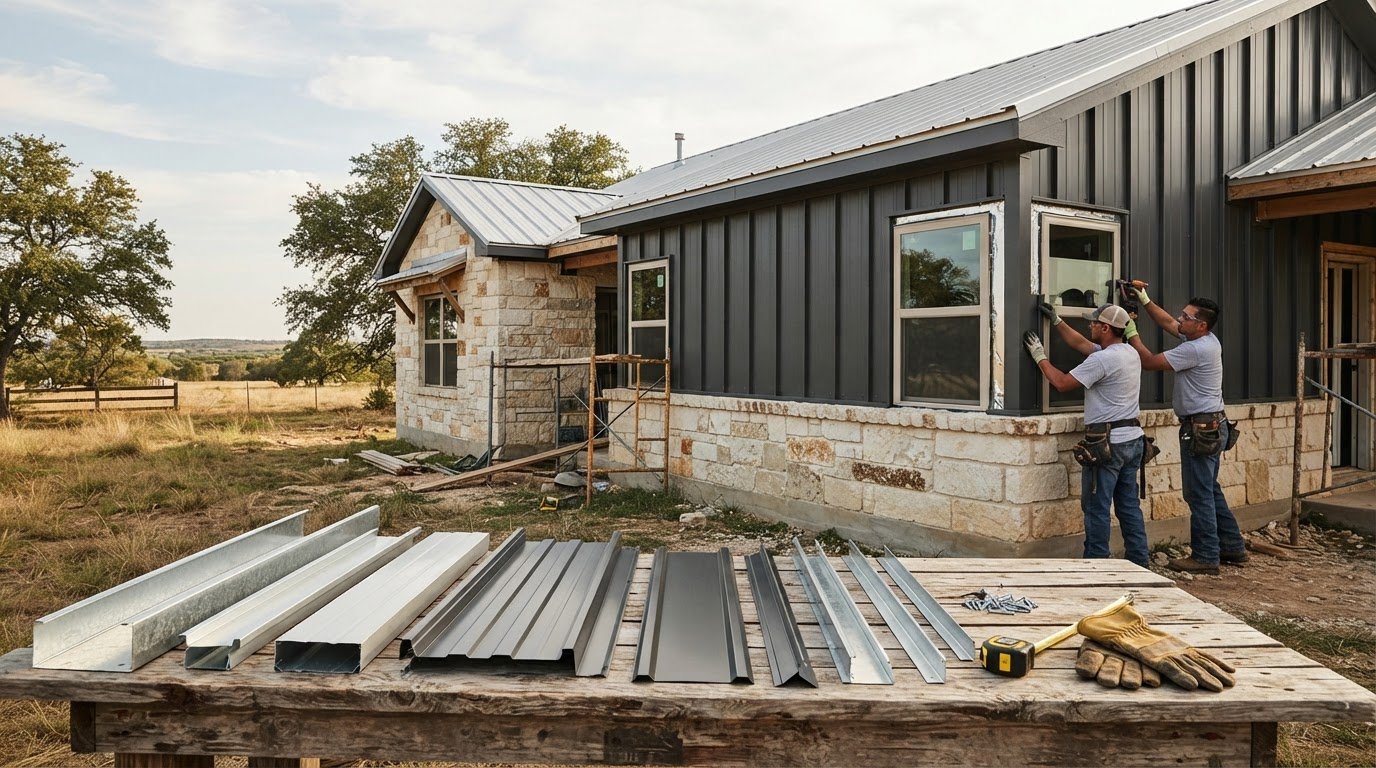
Understanding the anatomy of a steel component is the best way to ensure you order the right materials. A C purlin is defined by three primary dimensions: the web depth, the flange width, and the lip length. The web is the flat back section of the channel. The flanges are the two legs that extend outward at 90 degrees. Finally, the lips are the small folds at the end of the flanges that provide critical stiffness. These dimensions must align with the engineering requirements for your specific site. For detailed technical standards, builders often consult the AISI Design Guide for Cold-Formed Steel Purlins.
Standard web depths for c purlin sizes in Central Texas typically range from 4 inches to 12 inches. Flange widths usually come in 1.5 inch, 2 inch, or 2.5 inch variations. A wider flange provides more surface area for fastening roof panels or wall sheets. This is especially helpful when working with heavy-duty R-panels or architectural siding. The lip length, though small, is what prevents the flange from buckling under the pressure of a heavy roof load.
Common Size Categories for Texas Buildings
Choosing the right depth depends on the distance between your primary frames. A 4-inch section is generally reserved for small storage sheds or as decorative residential trim. When you move up to standard workshops and garages, 6-inch and 8-inch sections are the most common choices. They offer the right balance of strength and weight for typical spans. For large commercial projects or aircraft hangars, 10-inch and 12-inch purlins are required to handle the long distances without sagging.
Weight and Length Considerations
The weight of your steel impacts both your foundation requirements and your shipping costs. Weight per linear foot is determined by the combination of the member’s size and its gauge. Heavier gauges add more steel to the profile, increasing the weight and the overall structural capacity. While stock lengths are available for quick projects, custom-cut members can save significant time on the job site by reducing waste and field cutting.
Transporting these components to sites in Erath or Brown County requires careful planning. Long purlins for a large shop can exceed 30 feet. This means you need a trailer capable of handling the length safely. If you aren’t sure which dimensions fit your layout, you can test different configurations using our 3D design tool to visualize the structure before ordering.
Choosing the Correct Gauge for Structural Integrity
Steel gauge is a measure of thickness that works in reverse. A lower gauge number indicates a thicker, heavier piece of metal. This is a fundamental concept to grasp when reviewing c purlin sizes for your project. While the depth of the web determines how much the member can span, the gauge determines how much weight it can carry before it begins to deflect. For over 25 years, we’ve seen how choosing the right thickness ensures a building remains stable during the high winds common in Erath County.
The relationship between thickness and load-bearing capacity is direct. Thicker steel provides more material to resist bending and twisting. This is critical when you consider the dead load of the roof panels and the live loads from wind or maintenance crews. If your design requires wider spacing between your primary frames, you must compensate by using a heavier gauge. Failing to match the gauge to the span can lead to sagging roof lines or fastener pull-out during a storm.
14 Gauge vs 16 Gauge: Which is Right for You?
Standard gauges for secondary framing typically include 12, 14, and 16. A 16-gauge purlin is a cost-effective choice for smaller buildings with light loads, such as residential sheds or small garden shops. However, 14 gauge is the industry standard for most reliable Texas steel buildings. It provides the necessary stiffness for standard weld-up buildings and workshops. When your project involves heavy-duty commercial demands or wide spans, such as commercial storage facilities, moving up to 12 gauge is often the smartest path to long-term durability.
Red Oxide vs Galvanized Coatings
The coating on your steel is just as important as its thickness. Red oxide is a primer applied at the mill to prevent rust during shipping and construction. It’s the traditional choice for Central Texas builders because it’s easy to weld and paint. Galvanized steel features a zinc coating for superior corrosion resistance. This is an ideal option for structures in humid environments or for projects where the framing remains exposed to the elements. Bradberry Steel offers both finishes to ensure your material package matches the specific needs of your site and building type.
How Building Type Influences Purlin Selection
The specific purpose of your building is the most important factor in selecting c purlin sizes. A simple agricultural barn doesn’t face the same structural or environmental stresses as a climate-controlled residential space. For over 25 years, Bradberry Steel has helped Central Texas builders balance structural loads with interior needs. If you are planning a steel-framed home or barndominium, the purlin depth often depends on your insulation strategy. A shallow 4-inch purlin might meet structural requirements for a small span. However, it won’t provide the cavity depth required for the high-R-value insulation needed in our climate. Choosing an 8-inch purlin allows for more insulation, which lowers your long-term energy costs and keeps your home comfortable.
Building use also dictates how the frame handles weight. Workshops with heavy overhead cranes or mezzanines require a different secondary framing approach than a standard storage shed. You must account for these extra loads early in the design process. Using a heavier gauge or a deeper profile ensures the roof doesn’t deflect when the building is put to work. It’s about building for the future use of the space, not just the minimum requirements of today.
Sizing for Aircraft Hangars and Large Shops
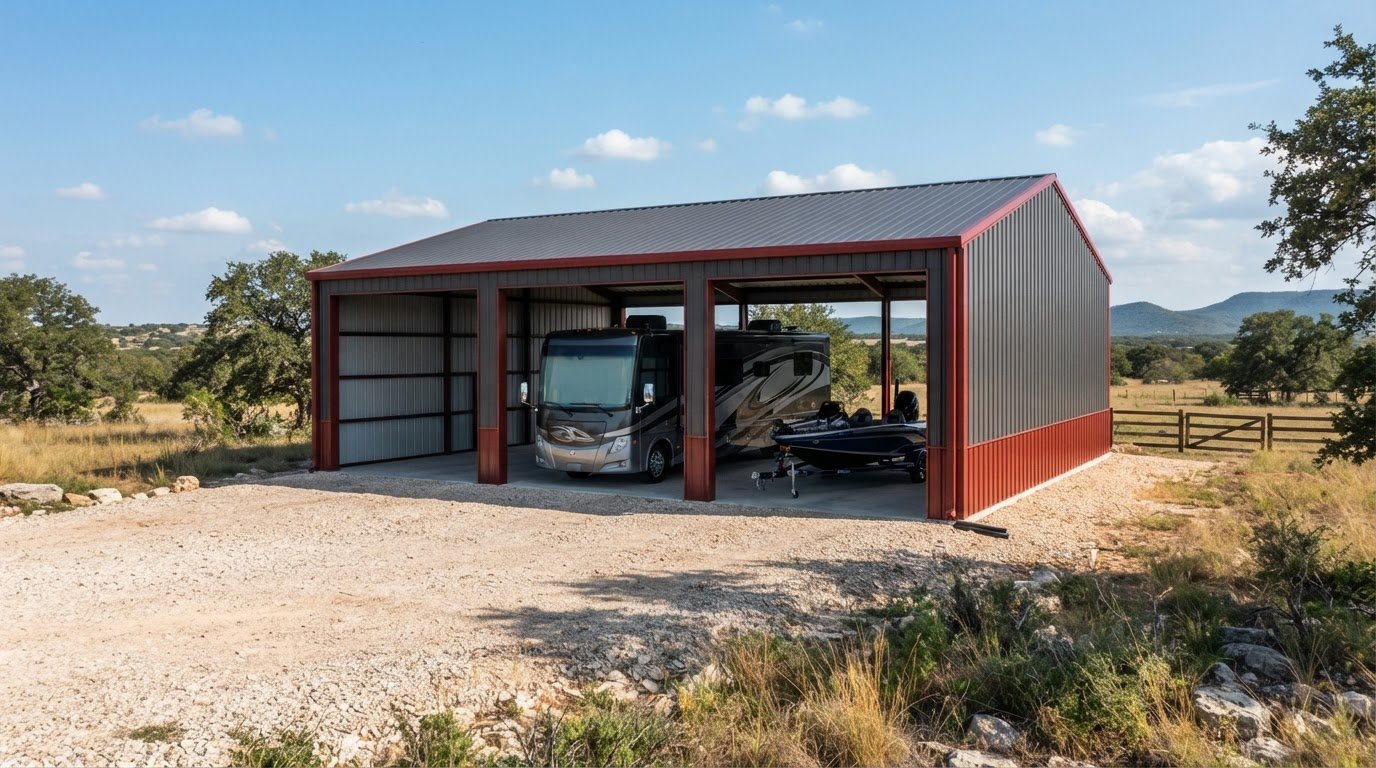
Wide-span structures like aircraft hangars present unique engineering challenges. The wide openings required for hangar doors mean the roof must stay rigid over long distances without internal support columns. This usually requires deeper 8-inch or 10-inch purlins to prevent sagging under wind pressure. Managing the spans between rigid frames in these systems is a precision task that impacts the safety of your aircraft and equipment. You can find more specific design tips in our aircraft hangar guide for Central Texas pilots.
Weld-Up vs Pre-Engineered Sizing
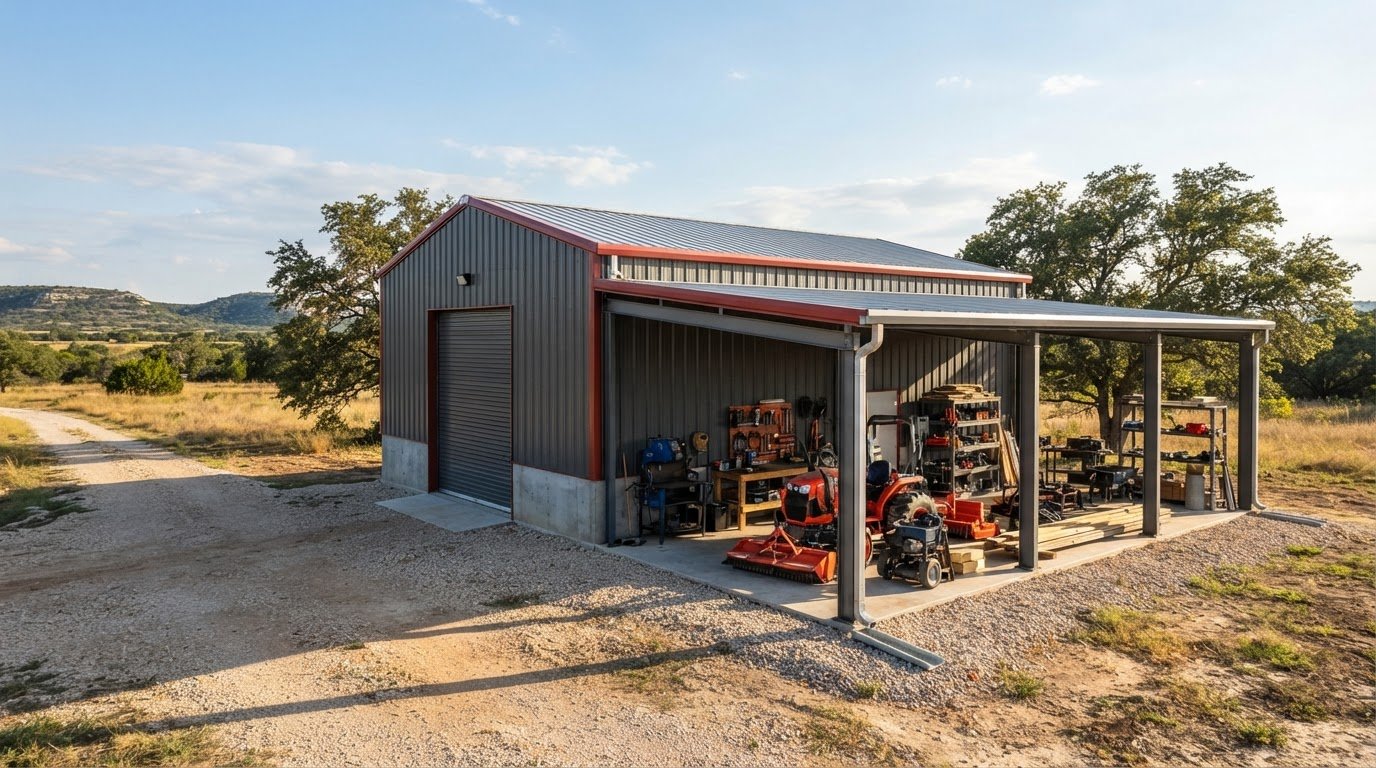
The method of construction also influences your material choice. Weld-up buildings are a staple in the Dublin area. They often use standard 6-inch or 8-inch C purlins because these sizes are readily available and easy to work with on-site. In contrast, pre-engineered buildings come as a kit where every component is precisely calculated by an engineer. The c purlin sizes in these kits might vary to optimize weight and strength for the specific dimensions of the building. For a deeper look at which method fits your project, check out our weld-up vs pre-engineered comparison.
If you are ready to finalize your material list, request a quote for your project and let our team help you find the right fit for your building type.
Designing Your Project with Bradberry Steel Components
A successful steel building starts long before the first component arrives at your site. It begins with a precise design that accounts for every structural load and environmental factor. Bradberry Steel acts as a primary resource for this planning phase, offering the technical guidance you need to coordinate a complete material package. Our local expertise in Dublin, TX, is a significant asset for your project success. We understand the specific weather patterns and wind requirements of Central Texas, ensuring your building is prepared for the local climate.
Choosing the right c purlin sizes is a critical part of this coordination. If you select a profile that is too shallow for your span, you risk structural failure or a sagging roofline. Conversely, over-engineering can lead to unnecessary costs. We focus on helping you find the balance that provides maximum durability without wasting resources. By sourcing your materials from a family-owned operation with over 25 years of experience, you gain a partner invested in the longevity of your build.
Custom Material Packages
We believe every project deserves a tailored approach. We don’t just sell generic kits; we help you customize your purlin sizes and gauges to fit your specific site conditions. This level of detail is especially important when you are coordinating with specific metal roofing and siding for a perfect fit. Sourcing all your structural steel components from one partner ensures that clips, fasteners, and members all work together as intended. This compatibility is the key to a smooth construction process and a low-maintenance finished product.
Getting Started with Your Quote
Preparing for a quote involves gathering a few key details about your project. We need to know your desired building dimensions, the roof pitch, and any specific load requirements for your area. You can utilize our 3D design tool to experiment with these variables in a virtual environment. This tool makes it simple to visualize how different c purlin sizes will look and function within your frame. Once your plan is ready, submitting a quote request allows our team to finalize the details for your Central Texas delivery. We are here to provide the steady, reliable support you need to move from a requirement to a solution.
Secure Your Build with Precision Framing
Selecting the right materials is the difference between a building that lasts and one that fails when the Texas wind picks up. You now understand how web depth and steel gauge work together to provide structural integrity. Whether you are planning a wide-span aircraft hangar or a local workshop, matching your c purlin sizes to your specific project requirements is essential. Bradberry Steel has supplied Central Texas with high-quality structural components for over 25 years. As a local family-owned business in Dublin, we take pride in providing expert guidance for both weld-up and pre-engineered kits.
Our team is ready to help you coordinate a material package that fits your site and your budget. You don’t have to guess which components are right for your project. You can design your building and select your components with our 3D tool to see exactly how your structure comes together. We’re here to ensure your project is built on a foundation of quality and technical mastery. Let’s build something durable that stands as a legacy for your property.
Frequently Asked Questions
What is the most common C purlin size for a residential workshop?
The 8-inch 14-gauge C purlin is the industry standard for most residential workshops in Central Texas. This size offers the strength needed to handle typical roof loads and wind speeds while remaining manageable for weld-up construction. If your shop has a smaller footprint with shorter distances between frames, a 6-inch profile might be sufficient. Choosing the right c purlin sizes ensures your workshop remains a durable asset for years.
How far can a 6-inch C purlin span without sagging?
A 6-inch C purlin can typically span between 15 and 20 feet under standard load conditions. However, the exact distance depends on the gauge of the steel and the specific wind or snow loads for your location. It’s vital to check your building design to ensure the span doesn’t exceed the material’s capacity. Exceeding these limits can lead to visible sagging or structural failure during a heavy storm.
Is red oxide purlin better than galvanized for a Texas climate?
Red oxide purlins are the traditional choice for Central Texas because they are cost-effective and easy to weld. The primer protects the steel from rust during the construction process. Galvanized purlins are better suited for humid environments or buildings where the framing is exposed to the elements. For most inland projects in Erath or Brown County, red oxide provides excellent durability and value when properly enclosed.
Can I use C purlins for floor joists in a barndominium?
Yes, C purlins are frequently used as floor joists in barndominium projects due to their high strength-to-weight ratio. They provide a flat, stable surface for subflooring and allow for long spans without the bulk of traditional lumber. You must ensure the gauge and depth are rated for the specific live loads of a residential floor. Consulting with a professional designer helps you select the correct c purlin sizes for a safe living space.
What is the difference between a C purlin and a C channel?
The main difference lies in the profile shape and structural purpose. A C purlin features small lips at the end of the flanges that provide extra stiffness for supporting roofs and walls. A standard C channel has smooth flanges and is typically used in heavy structural applications or trim work. Purlins are specifically engineered as secondary framing members to hold panels and transfer loads efficiently to the primary frame.
How many purlins do I need for a 20-foot roof span?
You will typically need five to six purlins for a 20-foot roof span based on standard 4-foot or 5-foot spacing. The exact count depends on the type of roof panels you use and the local wind load requirements. Placing them too far apart can cause the metal panels to oil-can or leak over time. It’s better to follow a proven layout to ensure the roof remains rigid and secure.
Does Bradberry Steel provide the engineering stamps for purlin spacing?
Bradberry Steel is a primary resource for steel supply and project guidance, but we don’t provide engineering stamps or permitting services. We supply the high-quality components and building packages based on your specific requirements. You should work with a qualified engineer or utilize our 3D design tool to plan your layout. This ensures your purlin spacing meets all local building codes and safety standards for your region.
Can I buy custom lengths of C purlins in Dublin, TX?
Yes, you can buy custom lengths of C purlins directly from our facility in Dublin, TX. Ordering custom lengths reduces waste and saves significant time on the job site by eliminating the need for field cutting. We stock a variety of depths and gauges to ensure your project stays on schedule. Our local family-owned operation is dedicated to helping Central Texas builders get the exact c purlin sizes they need for success.
Disclaimer
Bradberry Steel is a steel supply and metal building package company based in Dublin, Texas. We do not provide installation, site preparation, foundation work, or general contracting services. All building projects should be reviewed by a qualified local contractor and may require permits depending on your county or municipality. Contact Bradberry Steel for product guidance and material quotes.